United Airlines Seeks Dismissal of Lawsuit on Windowless ‘Window Seats’

CHICAGO— United Airlines (UA) has submitted a motion in a federal court in San Francisco, seeking to dismiss a lawsuit claiming it misled customers by charging extra for “window seats” that in some instances do not have actual windows.
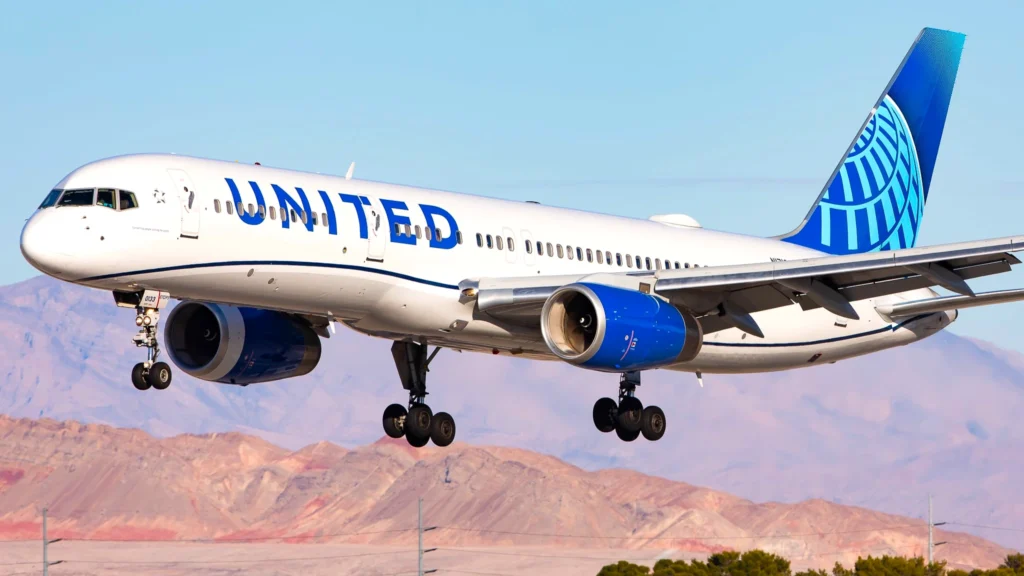
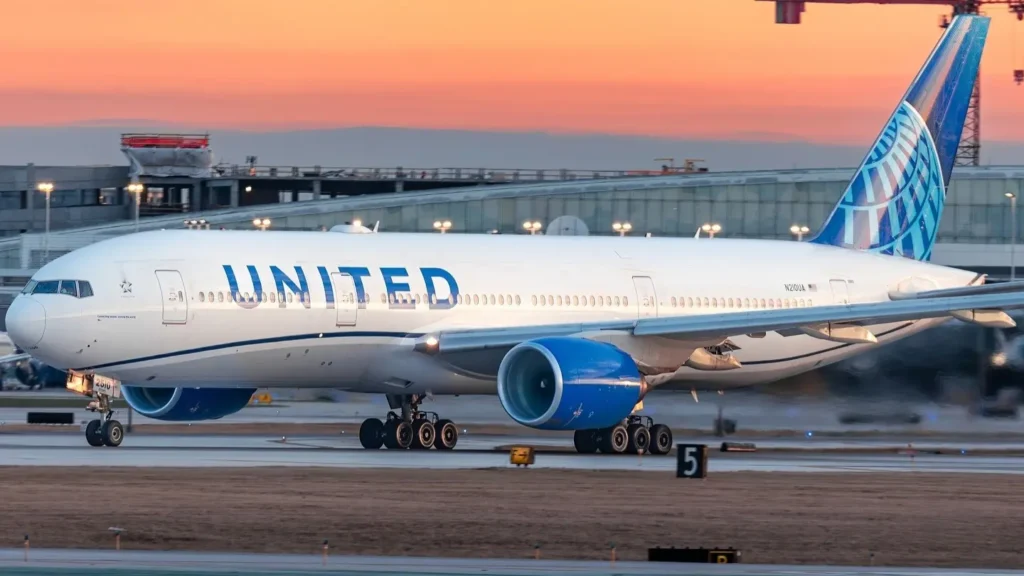
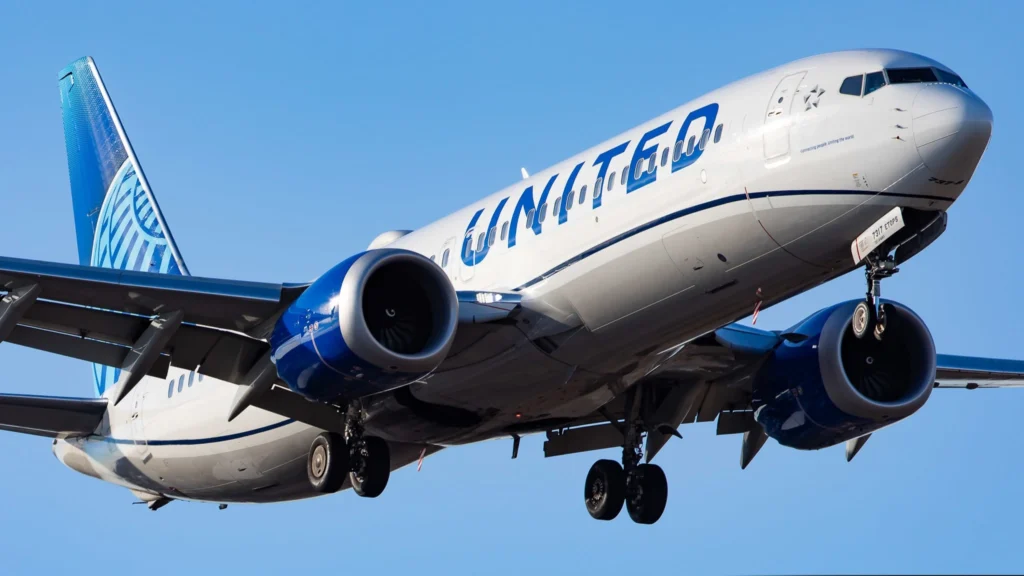
The lawsuit, initiated in August, asserts that passengers on specific Boeing 737, Boeing 757, and Airbus A321 planes were not informed during the booking process that these so-called “window seats” may lack an outside view. A related claim has also been filed against Delta Air Lines (DL) in Brooklyn, New York.
United Defends Its ‘Window Seat’ Label
In its legal response, United Airlines contended that the term “window” in seat labeling simply indicates its position along the cabin wall, not an assurance of an exterior view.
The airline argued that customers could not reasonably assume that the word “window” was a guarantee of visibility.
United cited previous court rulings that limit passengers from making breach of contract claims concerning airline seat fees and surcharges governed by federal aviation law.
The airline emphasized that these optional fees, part of the airline industry’s ancillary revenue tactics, allow for competitive base fares while offering travelers the option to pay extra for preferred seating.
Plaintiffs Challenge United’s Interpretation
Lawyer Carter Greenbaum, representing the plaintiffs, criticized United’s interpretation as misleading and inconsistent with passengers’ reasonable expectations.
He stated that travelers paid extra fees believing that “window seats” would provide a view outside—an aspect many passengers appreciate to alleviate anxiety, reduce motion sickness, or simply enjoy the scenery.
The lawsuit claims that over a million passengers paid significant amounts for these seats, only to face solid cabin walls instead of windows. The plaintiffs argue that they would have selected different seats or opted not to pay extra had they known about the absence of windows beforehand.
Broader Implications for Airlines
This dispute emphasizes the growing scrutiny over how airlines classify their seats and the transparency regarding ancillary fees.
With airlines increasingly monetizing seat selection, there’s mounting pressure from both customers and regulators for clearer labeling and communication about what each paid option includes.
If the court allows this case to move forward, it could set a precedent for how airlines represent seat features during online bookings. For the time being, United asserts that its seat labeling adheres to industry standards and federal regulations.
What do you think about the implications of labeling in the airline industry?