
Historic Boeing 777-200 Enters Storage: A Look at Aviation’s Past

CALIFORNIA— United Airlines (UA) has officially placed the world’s first Boeing 777-200 into storage after over 30 years of reliable service. Registered as N777UA, the aircraft flew its final journey from San Francisco International Airport (SFO) to Southern California Logistics Airport (VCV) in Victorville.
This significant milestone marks a substantial transition for United Airlines, which first introduced the 777-200 in 1995. The aircraft played a crucial role in the airline’s long-haul growth, and its withdrawal is taking place amid ongoing supply chain issues affecting Pratt & Whitney PW4000-series engines.
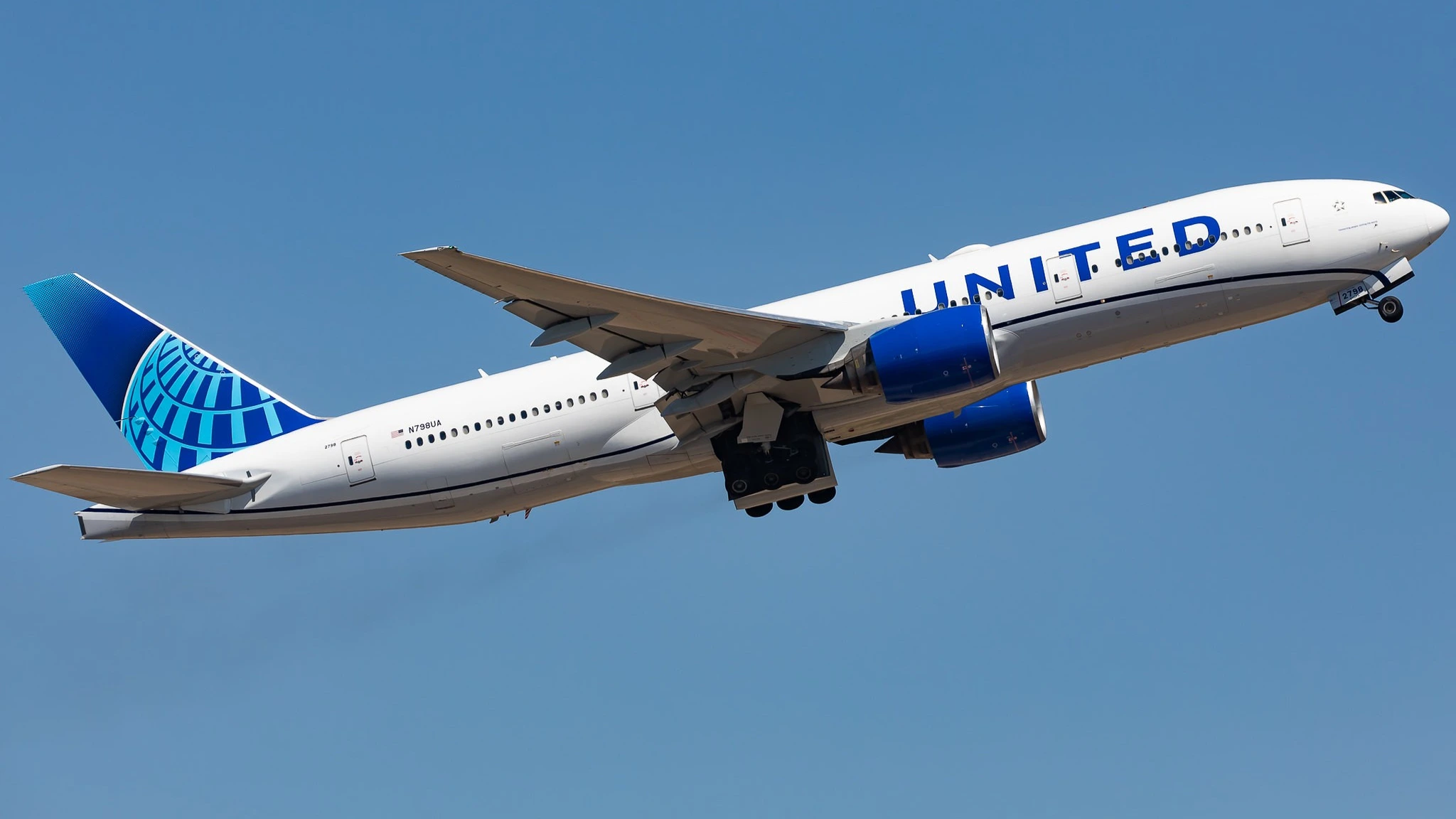
United Boeing 777 Sent to Storage
As the global launch customer for the Boeing 777, United Airlines has seen significant contributions from N777UA in developing its long-haul network. Over time, this aircraft adapted from international routes to domestic services, including transcontinental flights and select short-haul international trips.
With a configuration for 364 passengers across three classes, the 777-200 provided flexibility and capacity during high-demand travel periods. As United modernized its fleet with newer aircraft, this particular model transitioned into domestic routes.
N777UA completed its inaugural test flight in April 1995 and was delivered the following month. Throughout its operational life, it underwent several liveries, showcasing various designs from Battleship Gray to the latest branding.
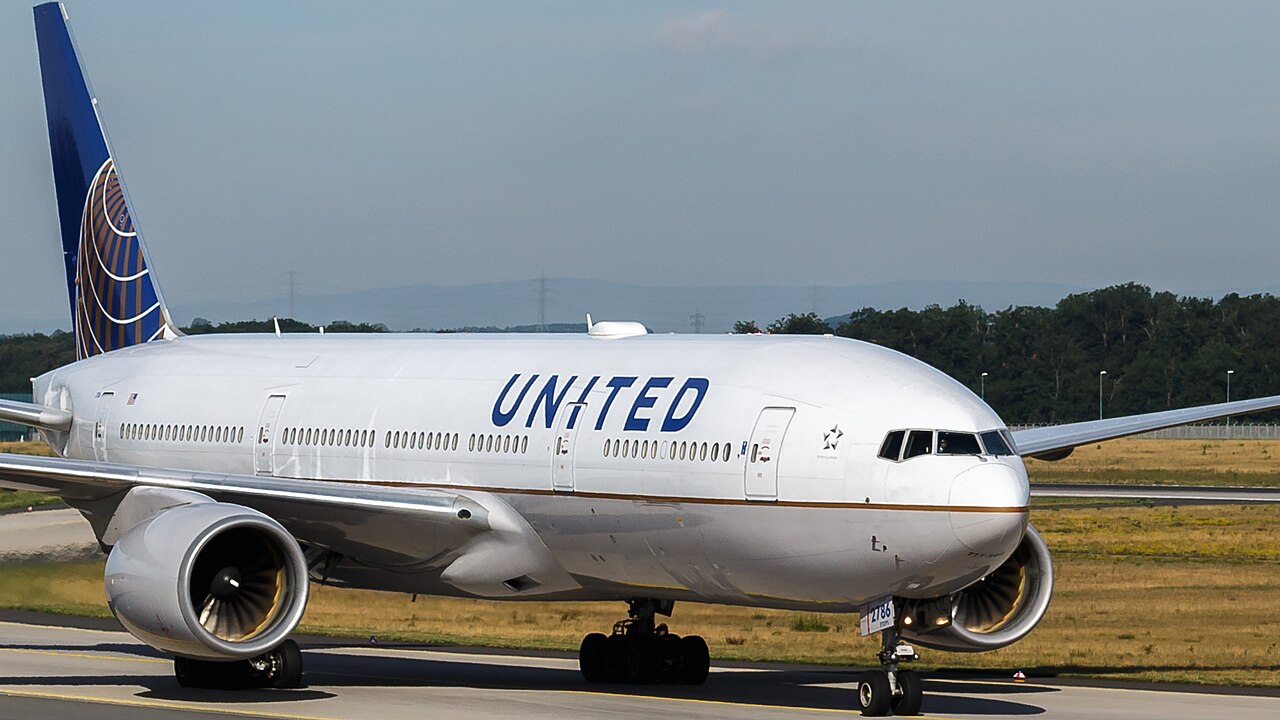
Final Flights and Storage
During its last week, N777UA flew several major routes, linking cities like Los Angeles (LAX), Chicago O’Hare (ORD), Denver (DEN), Washington Dulles (IAD), and San Francisco (SFO). It also made one final international trip to Cancun (CUN).
The last passenger flight for this aircraft occurred on November 28, 2025, from Washington Dulles to San Francisco. The following morning, it took off from SFO at 11:05, landing in Victorville just 48 minutes later.
Although the aircraft has been marked as “withdrawn from use,” United has not yet confirmed its complete retirement. Aviation experts suggest that the storage is largely due to limited support for the PW4000 engines, as production of replacement parts has declined significantly.
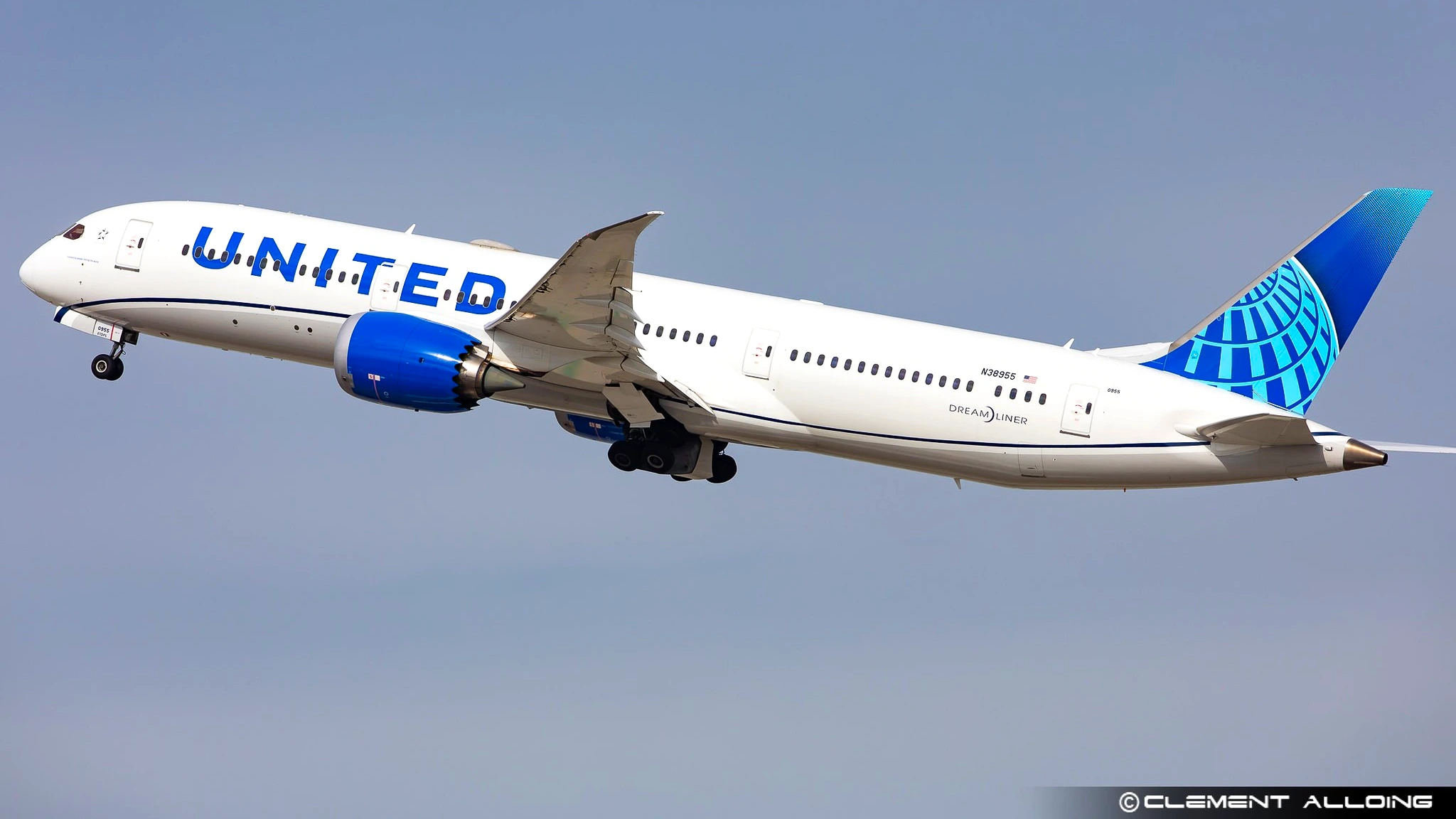
United’s Widebody Plans
United Airlines operates one of the world’s largest fleets, consisting of over 1,000 active aircraft, including numerous widebodies. The airline is set to make significant long-term adjustments as part of its modernization efforts.
The introduction of new Boeing 787-9 and 787-10 jets will gradually replace older 767s and domestic 777-200s. Additionally, United has placed orders for 45 Airbus A350-900s, which are anticipated to enter service in the next decade, ultimately replacing some international 777-200ER operations.
Decisions regarding retirements and storage among the aging 777 fleet are influenced by supply chain challenges and increasing maintenance difficulties associated with the PW4000 engines.
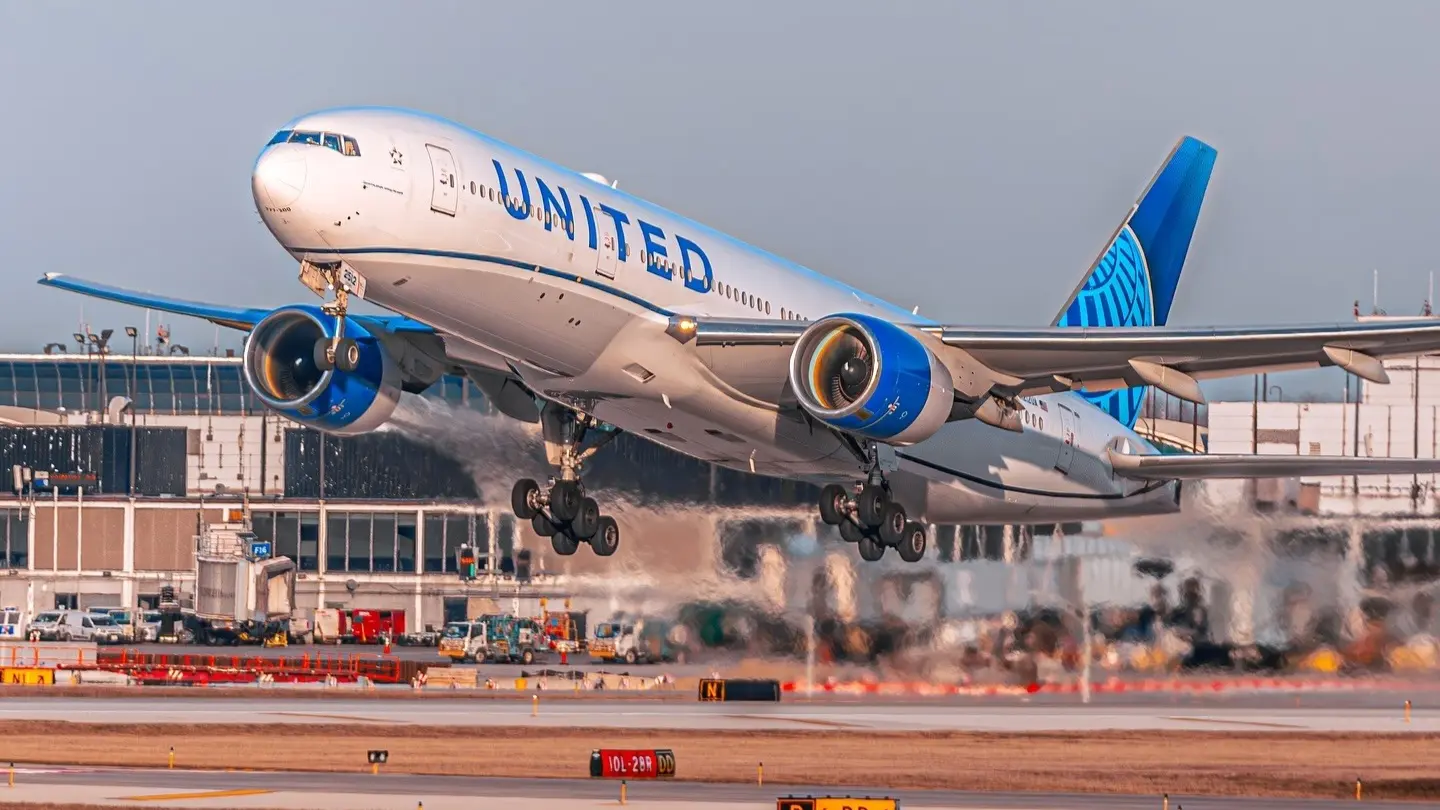
Bottom Line
With the Boeing 777-200 officially entering storage after three decades of service, United Airlines is closing a significant chapter in its operational history. While the aircraft has not been fully retired, its withdrawal underscores the ongoing supply chain difficulties related to the PW4000 engine, marking a pivotal moment in the modernization journey of United’s widebody fleet.
What are your thoughts on the legacy of the Boeing 777-200 in United’s fleet?
Similar Posts
Thai Airways Expands Fleet with Two Deals in Just Two Days
Thai Airways is expanding its fleet by securing 14 Airbus A321neo aircraft through agreements with lessors BOC Aviation and China Aircraft Leasing Group (CALC). BOC will deliver five aircraft by April 2025, while CALC will provide nine aircraft from 2026 to 2028. This expansion highlights Thai Airways’ commitment to modernizing its fleet and enhancing regional operations. The airline has also previously signed lease agreements for additional aircraft, including Boeing 787-9 Dreamliners, to bolster its capabilities. Currently, Thai Airways operates 72 aircraft and has 80 more on order, positioning itself competitively in the aviation market.
Pilot Error Causes A380 Incident, Injures Crew in Delhi
On November 25, 2024, a Singapore Airlines Airbus A380, operating flight SQ406, rolled back at Indira Gandhi International Airport in Delhi after the pilots failed to engage the parking brakes upon arrival. Fortunately, there were no major injuries, although a cabin crew member sustained a minor bruise. The incident occurred due to a slight slope in the parking bay, and the pilots quickly applied the brakes upon realizing the aircraft was moving. Singapore Airlines confirmed the event, emphasizing their commitment to safety and the importance of adhering to standard operating procedures to prevent similar incidents.

Exploring IndiGo’s Airbus A321XLR: Routes and Strategy
IndiGo, India’s leading low-cost airline, has ordered 300 Airbus A320neo aircraft, including 69 A321XLR models, to enhance its international reach. This strategic move aims to target markets in South and Southeast Asia, Australia, and Europe. The A321XLR’s lower fuel consumption and extended range enable direct flights to underserved destinations. IndiGo plans to introduce a business class on these aircraft, catering to the evolving demands of long-haul travelers. CEO Pieter Elbers highlighted potential routes from secondary Indian cities, while also acknowledging the limited cargo capacity of the A321XLR compared to wider aircraft like the A350.

Air Astana Starts Direct Flights from Atyrau to Tbilisi
Air Astana, Kazakhstan’s national airline, will launch direct flights from Atyrau International Airport to Tbilisi International Airport in Georgia starting May 27, 2025. Operating three times a week on Tuesdays, Fridays, and Sundays, this new route will increase Air Astana’s total weekly flights to Tbilisi to 15. The flights will utilize an Airbus aircraft, with a duration of about one hour and 50 minutes. Kazakhstan citizens can travel visa-free to Georgia for up to a year, making this route appealing for leisure and business travelers. This expansion strengthens Air Astana’s position in the regional aviation market.
Riyadh Air Launches First Passenger Flight from Saudi Arabia to London Heathrow
Riyadh Air, the new national airline of Saudi Arabia, marked its…
Riyadh Air’s First 787-9 Delivery: Not for Passengers Yet
Riyadh Air is set to receive its first Boeing 787-9 Dreamliner in mid-2025, enhancing its operational capabilities as it prepares for commercial launch. This leased aircraft will serve as a technical spare and support crew training. The Dreamliner, featuring a premium interior and the airline’s unique pearl livery, differs from the planned fleet designs. Additionally, Riyadh Air is actively recruiting for leadership roles in anticipation of expanding its fleet with 60 Airbus A321neo aircraft in 2026. The airline also plans to procure widebody jets for long-haul operations, with a Request for Proposal process starting next year.