beOnd America’s 2026 Launch Plans Persist Despite US Partner Setback

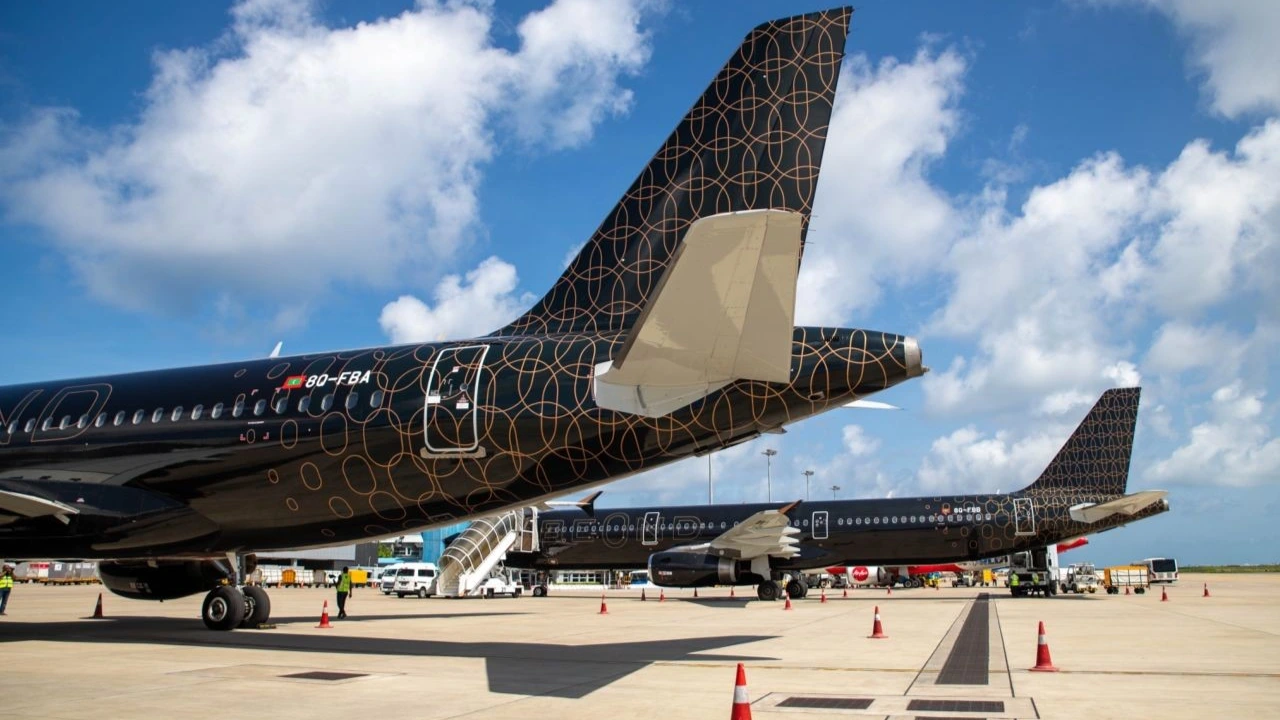
MALDIVES- beOnd (B4), a premium leisure airline, has unveiled plans to create an all-business-class U.S. airline known as beOnd America. This announcement comes just weeks after New Pacific Airlines (ANC), its anticipated operating partner in the U.S., suspended operations, leading to uncertainty regarding the planned Los Angeles (LAX) and domestic launch strategy.
Even with the loss of its initial partner, the company is optimistic about achieving a launch by October 2026. Executives are currently in discussions with new U.S. investors and plan to operate two Airbus A320 aircraft under a franchise-style arrangement.
Challenges for beOnd America’s Launch
The airline plans to first service domestic routes within the U.S. and eventually look towards Hawaii and select international destinations, pending regulatory approvals.
beOnd America must fulfill strict U.S. ownership guidelines, which require that 75% of the airline be owned by domestic investors. Such regulations complicate foreign investment efforts, necessitating strong local partnerships.
Additionally, company leaders announced plans to seek an extra $100 million to bolster expansion, distinct from the already acquired $90 million. This indicates a funding gap for the U.S. venture that hasn’t yet been addressed.
Despite these challenges, the airline asserts that its franchise model provides adaptability and can help circumvent delays, even with the significant financial and regulatory requirements involved.
Aiming for Expansion
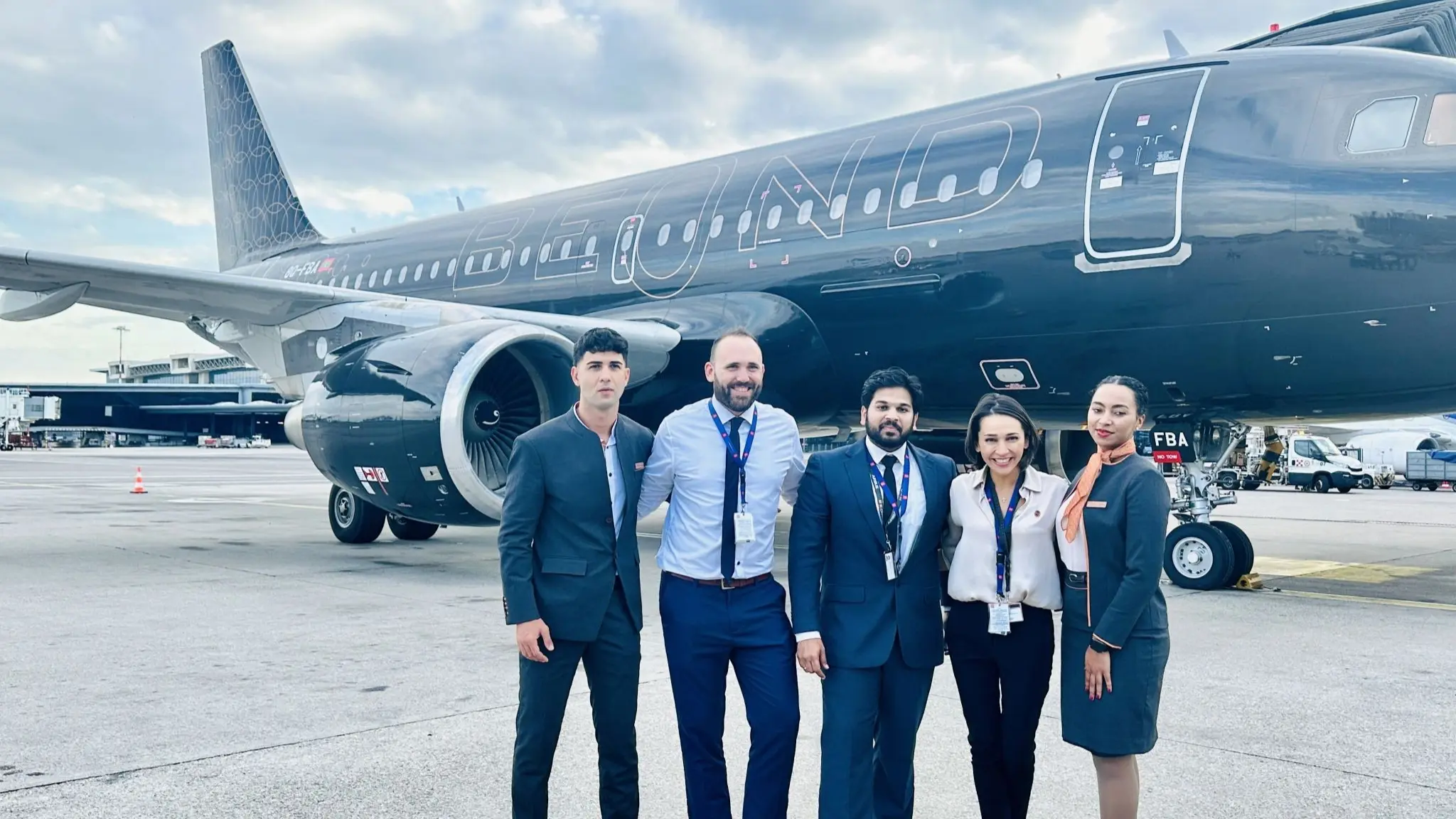
Beyond its initial focus, beOnd America has ambitious growth objectives. The airline is looking to base 20 aircraft in Saudi Arabia by 2030 and is gearing up to develop a global fleet of 56 aircraft with hubs in multiple locations, including the Maldives, India, the United States, and several Gulf countries.
This extensive strategy suggests aspirations that surpass those typical of a niche premium operator.
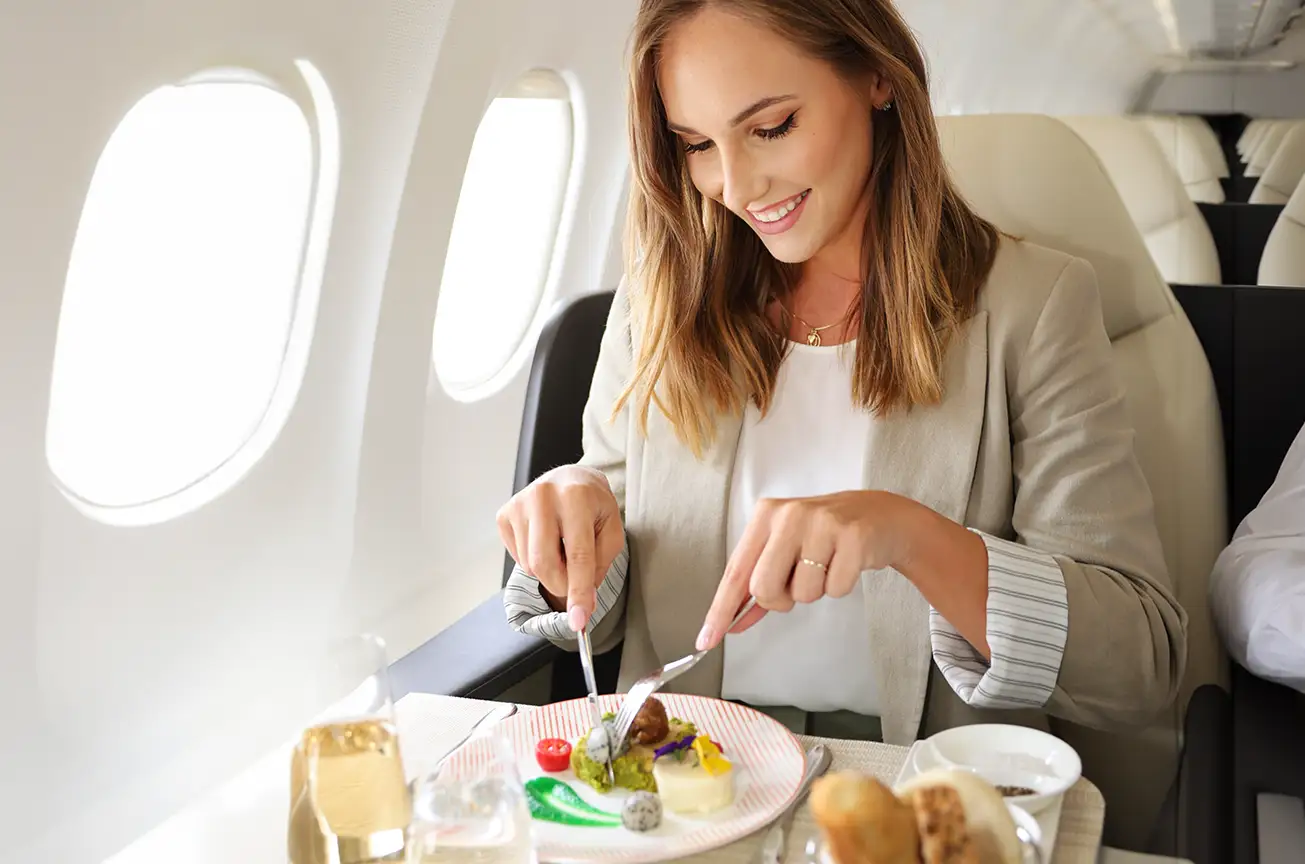
However, experts highlight the inherent challenges of running an all-business-class leisure carrier. Demand for premium offerings can vary significantly with the seasons, and narrowbody aircraft with 44 to 68 seats incur higher operational costs per seat.
Without the option to convert unoccupied seats to economy class, revenue risks escalate. In contrast, competitors with mixed seating arrangements enjoy greater flexibility.

Exploring Market Potential
Analysts believe certain niche markets could successfully support an all-business-class model in the U.S. For instance, winter trips from the Northeast to Caribbean locations like Turks and Caicos, St. Lucia, or Barbados might yield significant high-yield demand.
Furthermore, routes from the West Coast to Hawaii may present opportunities if the airline secures ETOPS (Extended-range Twin-engine Operational Performance Standards) certification.
Short-term travel driven by specific events could bolster demand for premium services, particularly for flights to Las Vegas during major conventions or to cities like Austin and Miami that host large international events.
However, these markets are often inconsistent, and their irregular schedules hinder the development of loyalty programs.
Currently, beOnd lacks a U.S.-based frequent flyer system to foster long-term customer loyalty.
The company faces skepticism from industry experts due to past challenges in adhering to growth timelines and the collapse of its initial U.S. partner.
While beOnd promotes its luxury-focused vision, maintaining operational efficiency and financial reliability will be crucial for instilling confidence in investors and attracting premium travelers.
Conclusion
beOnd America is still aiming for an October 2026 launch despite facing funding gaps, regulatory challenges, and the setback of losing its initial partner.
While there is potential demand within specific premium leisure markets, the airline needs to show operational discipline and financial stability to succeed with its all-business-class model in the United States.