IndiGo Flight Diverts for Emergency After Passenger Death

IndiGo Flight in Medical Emergency: Passenger Dies Mid-Flight
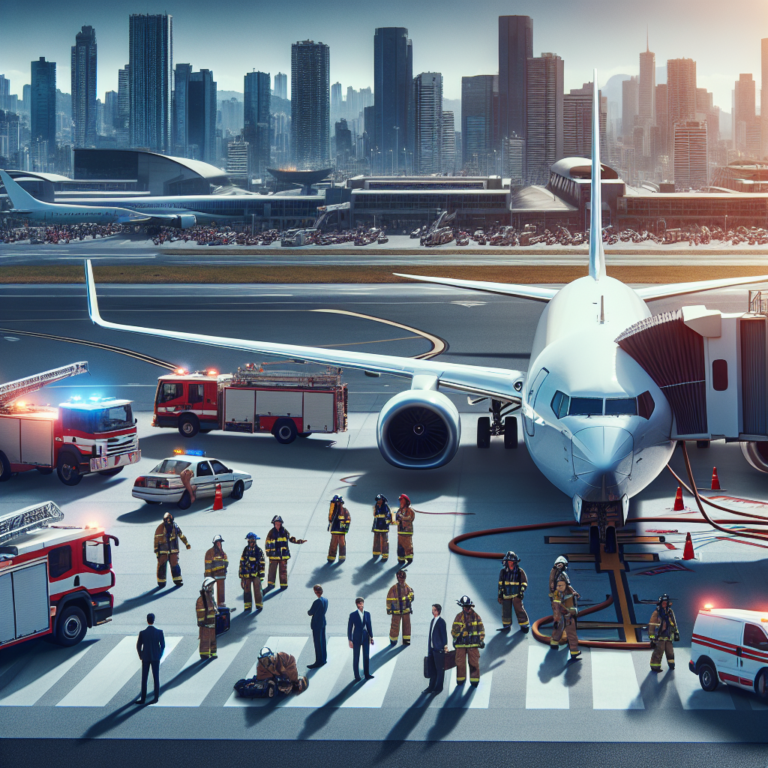
In a tragic incident, an IndiGo flight from Patna to Delhi made an emergency landing in Lucknow after a passenger suffered a medical emergency mid-flight. Despite the crew’s prompt response and immediate medical assistance upon landing, the passenger, identified as Satish Chandra Burman from Assam, unfortunately passed away onboard. This incident raises concerns about the challenges of managing medical emergencies during air travel.
IndiGo Emergency Landing Details
IndiGo flight 6E2163 departed from Jay Prakash Narayan International Airport (PAT) in Patna, heading for Indira Gandhi International Airport (DEL) in Delhi. Midway through the flight, Burman suddenly fell ill, prompting the crew to react quickly. Initial assessments indicated a possible heart attack, leading the pilot to divert the aircraft to Chaudhary Charan Singh International Airport (LKO) in Lucknow for rapid medical assistance.
The aircraft landed safely, and medical professionals boarded immediately to assist the passenger. Regrettably, despite their efforts, he could not be revived.
Airline Protocols for Medical Emergencies
Airlines like IndiGo adhere to strict protocols when faced with medical emergencies on board. Flight crews are trained in basic life support, and aircraft are equipped with essential medical kits, including automated external defibrillators (AEDs).
- Immediate Response: Crew members are trained to assess situations quickly.
- Diverting Flights: Pilots coordinate with ground control to arrange emergency landings at the nearest airport when necessary.
- Medical Equipment: Commercial flights carry medical kits to assist in emergencies.
In this instance, the swift actions of IndiGo’s crew and the diversion to Lucknow ensured that the passenger had the quickest access to medical aid. Sadly, his condition was too critical for recovery.
Previous Similar Incidents
Medical emergencies during flights, although rare, have occurred in the past. For instance, a similar incident happened on March 21, 2025, when a 52-year-old passenger was discovered deceased aboard Air India Flight AI2485 after landing at Lucknow. The passenger, Aashif Daulla Ansari, was unresponsive when a crew member checked on him, and despite efforts from onboard doctors, he was pronounced dead at a nearby hospital.
Such incidents highlight the difficulties airlines face in detecting and responding to medical emergencies during flights. Global aviation regulations require that pilots and cabin crew undergo emergency response training to manage these scenarios effectively.
Importance of Early Intervention
This recent tragedy emphasizes the critical need for early medical intervention and the effectiveness of aviation safety measures in managing risks associated with passengers’ underlying health conditions.
For more information on how airlines manage in-flight medical emergencies, check resources from the Federal Aviation Administration and International Air Transport Association.
If you have thoughts on this incident or want to learn more about similar stories, feel free to share your comments below or explore related articles.