Beyond the Skies: Exploring Innovative Alternatives to Air Travel

In an era where climate change and sustainability are at the forefront of global discussions, the quest for innovative alternatives to air travel has gained tremendous momentum. "Beyond the Skies: Exploring Innovative Alternatives to Air Travel" delves into the emerging solutions that could redefine how we travel while minimizing environmental impact. With air travel being a significant contributor to carbon emissions, it is crucial to explore alternatives that not only maintain connectivity but also promote greener practices.
The need for change is urgent. As the world grapples with the repercussions of climate change, innovative transportation methods are becoming essential. This article will explore various alternatives to air travel that not only promise efficiency but also align with sustainable development goals.
Alternatives to Air Travel
High-Speed Rail Systems
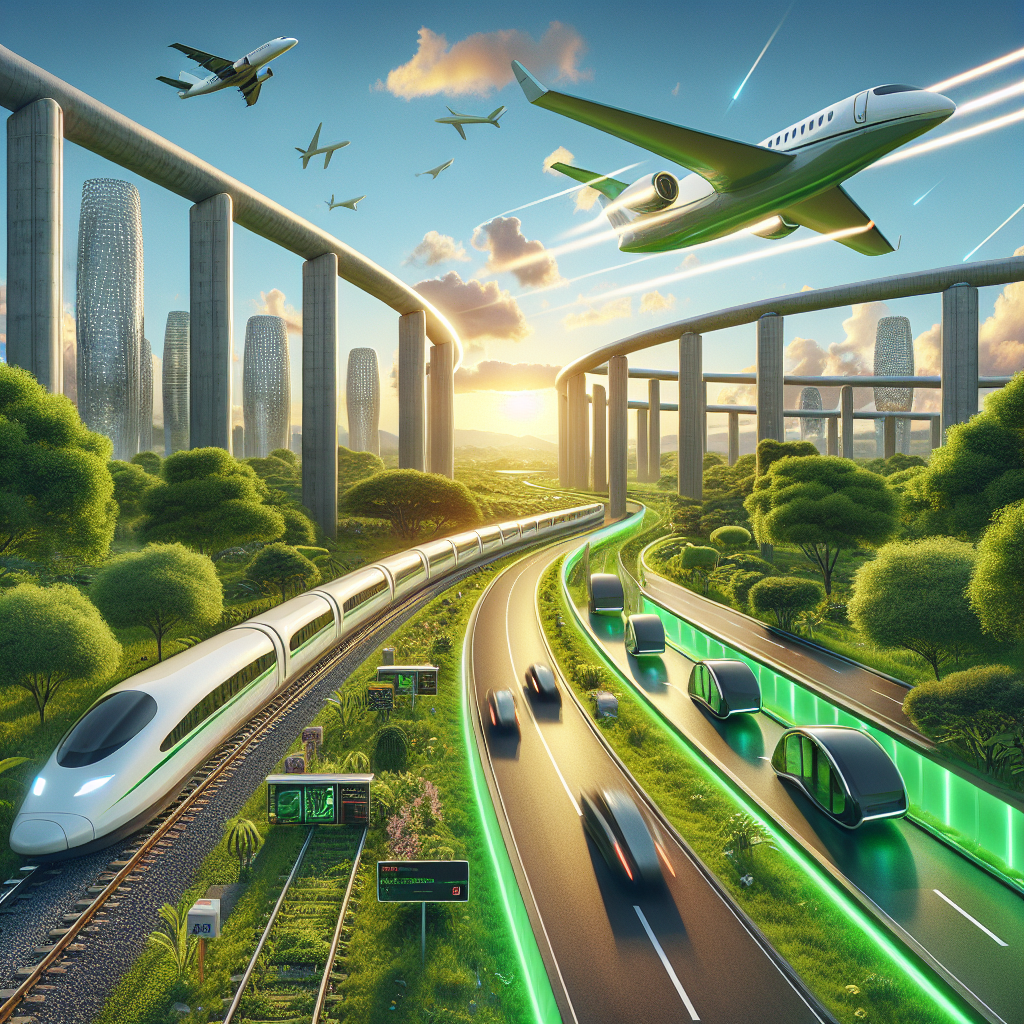
One of the most viable alternatives to air travel is high-speed rail. Countries like Japan and France have successfully implemented extensive high-speed rail networks that drastically reduce travel time and carbon footprints.
- Speed: High-speed trains can travel up to 300 km/h (186 mph).
- Efficiency: Rail travel is often more energy-efficient compared to flying.
- Comfort: Passengers can enjoy spacious seating and onboard amenities.
Electric and Hybrid Airplanes
Another innovative approach in the quest for alternatives to air travel is the development of electric and hybrid airplanes. These aircraft aim to reduce reliance on fossil fuels.
- Lower Emissions: Electric planes significantly cut down greenhouse gas emissions.
- Quieter Flights: They operate more quietly than traditional airplanes, reducing noise pollution.
- Short-Haul Applications: Currently being tested for short-haul flights, they represent a promising future for regional travel.
Autonomous Vehicles
As technology advances, autonomous vehicles are emerging as a practical alternative for ground travel. These self-driving cars could revolutionize how we navigate long distances.
- Convenience: Passengers can work or relax during the journey.
- Efficiency: Automated systems can optimize routes and reduce traffic congestion.
- Sustainability: Many autonomous vehicles are being designed to be electric, further promoting eco-friendly travel.
Hyperloop Technology
Hyperloop technology is still in its developmental stages but holds great promise for the future of transportation. This system would allow for rapid travel in low-pressure tubes.
- Speed: Potential speeds could exceed 700 mph, drastically reducing travel time.
- Efficiency: Hyperloop systems are designed to be energy-efficient and sustainable.
- Reduced Land Use: The infrastructure requires less land compared to traditional rail systems.
The Importance of Sustainable Travel
Choosing alternatives to air travel is not just about speed and convenience; it’s also about embracing sustainable practices. Here are a few reasons why sustainability in travel matters:
- Environmental Impact: Reducing carbon emissions helps combat climate change.
- Economic Benefits: Sustainable travel can create jobs in new industries.
- Health Advantages: Cleaner air and reduced noise pollution lead to better public health.
Conclusion
As we look beyond the skies, it becomes increasingly clear that innovative alternatives to air travel are essential for a sustainable future. From high-speed rail systems to electric airplanes, these options not only promise efficiency but also align with our global commitment to reduce carbon emissions. Embracing these alternatives can pave the way to a cleaner, more connected world.
FAQs
1. What are the main alternatives to air travel?
High-speed rail, electric airplanes, autonomous vehicles, and hyperloop technology are among the leading alternatives.
2. How do high-speed trains compare to airplanes in terms of carbon emissions?
High-speed trains typically produce significantly lower carbon emissions per passenger compared to airplanes.
3. Are electric airplanes currently in use?
While still in development, several electric aircraft prototypes are being tested for regional travel.
4. What is hyperloop technology?
Hyperloop is a proposed mode of transportation that uses low-pressure tubes to transport pods at high speeds.
5. How can I support sustainable travel?
Consider using trains for short distances, opting for electric vehicles, and advocating for policies that promote sustainable transportation infrastructure.
We invite you to share your thoughts on these innovative alternatives or read related articles to further explore the future of travel. Your insights could contribute to a larger conversation about sustainable solutions!