DGCA Opens Commercial Pilot Path for All 12th Grads

DGCA Considers Policy Change to Expand Commercial Pilot Eligibility in India
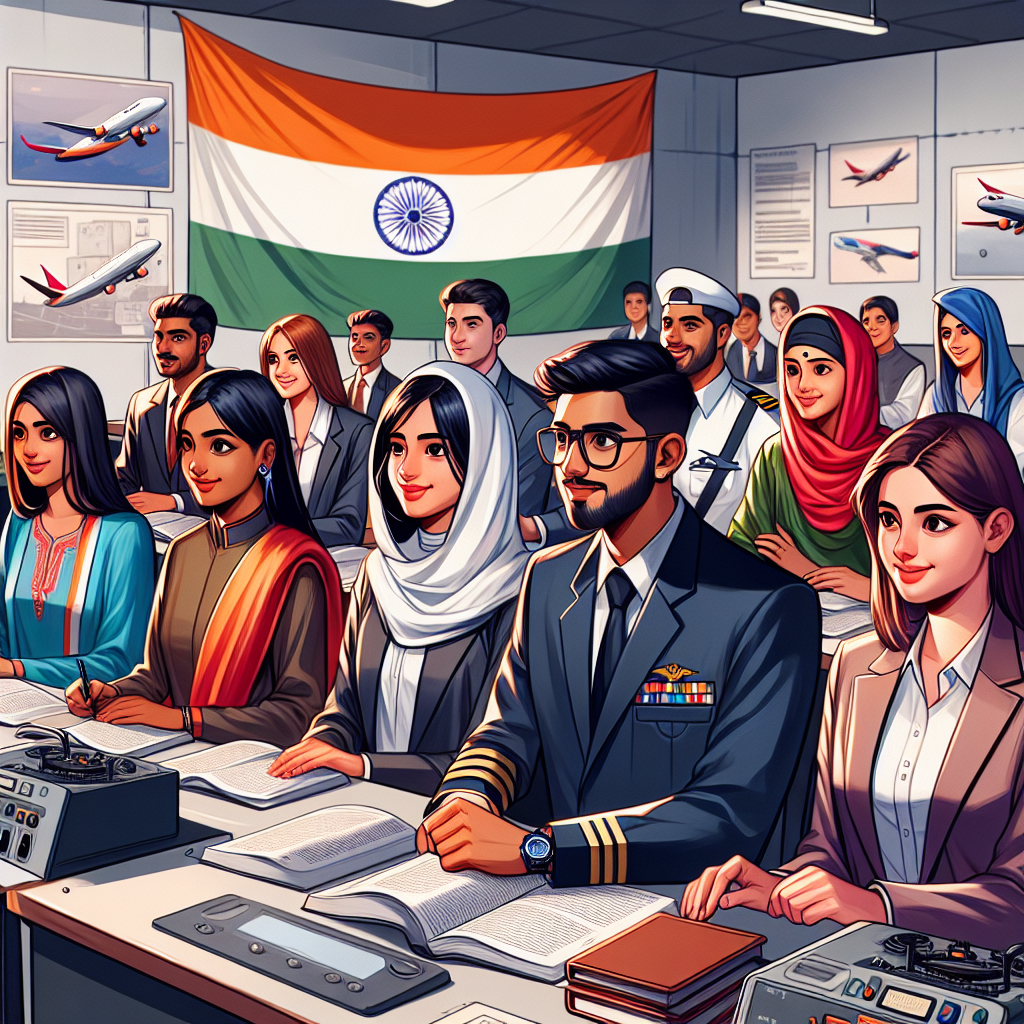
NEW DELHI – The Directorate General of Civil Aviation (DGCA) is contemplating a groundbreaking policy shift that could open the doors for students from Arts and Commerce backgrounds to pursue careers as commercial pilots in India. This significant change aims to address the current educational barriers that restrict aspiring pilots and potentially reshape the landscape of pilot training in the country.
Currently, students who wish to become commercial pilots must have studied Physics and Mathematics in their Class 12 education. However, those who did not meet these requirements can still qualify by taking these subjects through the National Institute of Open Schooling (NIOS). Reports suggest that the DGCA is reviewing the NIOS exam criteria, which could make it easier for a broader range of students to enter the aviation field.
DGCA Examines Commercial Pilot Training Criteria
Since the mid-1990s, the eligibility criteria for commercial pilot training in India have been quite stringent, limiting applicants to those with a background in science and mathematics. Prior to the 1990s, the requirements were less demanding, allowing candidates with just a 10th-grade education to enroll in Commercial Pilot License (CPL) training programs.
The DGCA plans to submit a proposal to the Union Aviation Ministry that seeks to eliminate the requirement for Physics and Mathematics for CPL training. If approved, this reform would enable students from various academic streams to pursue their dreams of becoming pilots, as long as they meet the necessary medical fitness standards.
Expert Opinions on the Proposed Changes
Captain Shakti Lumba, a seasoned pilot with over 31 years of experience and former VP of flight operations at IndiGo, advocates for the removal of the current educational restrictions. He highlights that no other country mandates Physics and Mathematics at the Class 12 level for CPL training. "This is an archaic requirement and needs to go. The physics and maths taught in the 12th are not needed by pilots. They already have the required understanding of these subjects from whatever they have studied in junior classes," he explained.
Under the existing guidelines, Arts and Commerce students must take additional physics and mathematics examinations through NIOS to qualify for pilot training. Many determined students have taken this challenging path, but the inconsistency in regulations has raised eyebrows. For instance, wealthy individuals seeking Private Pilot Licenses (PPL) are not subject to the same educational requirements, creating an unfair disparity.
Broader Reforms in the Aviation Sector
This potential policy change is part of a broader strategy by the aviation ministry to tackle staffing shortages in India’s expanding airline industry. The DGCA is also working on a ranking system for Indian flying schools, focusing on safety records and training completion times. This initiative aims to help aspiring pilots make informed decisions about their training options.
These reforms are crucial as many Indian students have been opting to pursue pilot training abroad due to the challenges posed by current regulations. Aviation officials indicate that these and other improvements will be implemented soon to enhance the domestic pilot training ecosystem, paving the way for a new generation of pilots.
As the DGCA moves forward with these discussions, the future of commercial pilot training in India looks promising. We invite readers to share their thoughts on this proposed change and explore related articles for more insights into the evolving aviation sector.