Wizz Air to Transition to Entirely A321neo Fleet By Year-End

BUDAPEST- The budget airline Wizz Air has announced a significant change to its fleet strategy, planning to exclusively operate A321neo-family aircraft by 2033. This adjustment means the airline will phase out its older A321s and the majority of its A320s.
By 2033, Wizz Air aims to have a total of 379 aircraft, consisting of 368 standard A321neos and 11 long-range A321XLRs. Currently, their fleet includes 243 planes, having added 16 new A321neos and three A321XLRs in the first half of this fiscal year, while retiring seven older A320s.
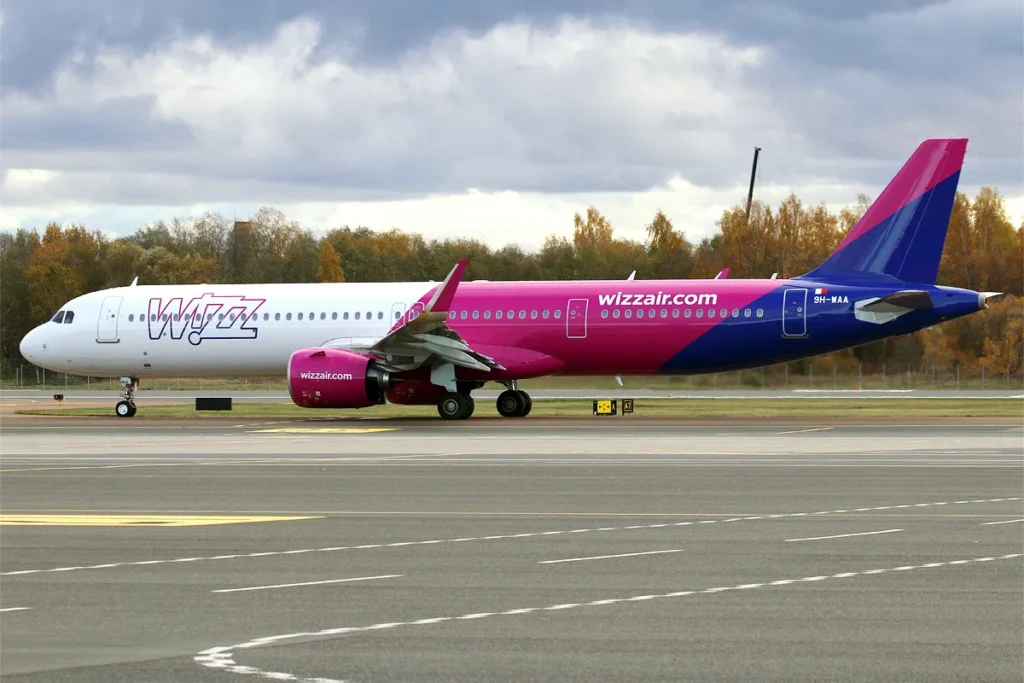
A321neo Family Commitment
The airline is set to phase out 41 older A321s and a majority of its A320ceo/neo models by 2029. However, Wizz Air plans to keep six A320neos and two older A320 series jets for an additional four years to retain some operational flexibility.
This transition aligns with the airline’s objectives for cost efficiency, as highlighted in their recent half-year briefing. Notably, Wizz Air has converted 36 of its original 47 A321XLR orders into standard A321neos, resulting in a modified order of just 11 A321XLRs.
Wizz has also postponed 88 Airbus deliveries that were originally meant for completion by 2030, pushing the timeline to the end of 2033. Their current total aircraft order stands at 273 units.
CEO József Váradi described their sustainable growth targets, aiming for annual seat growth of 10-12%, which aims to strengthen Wizz’s market position and efficiency.
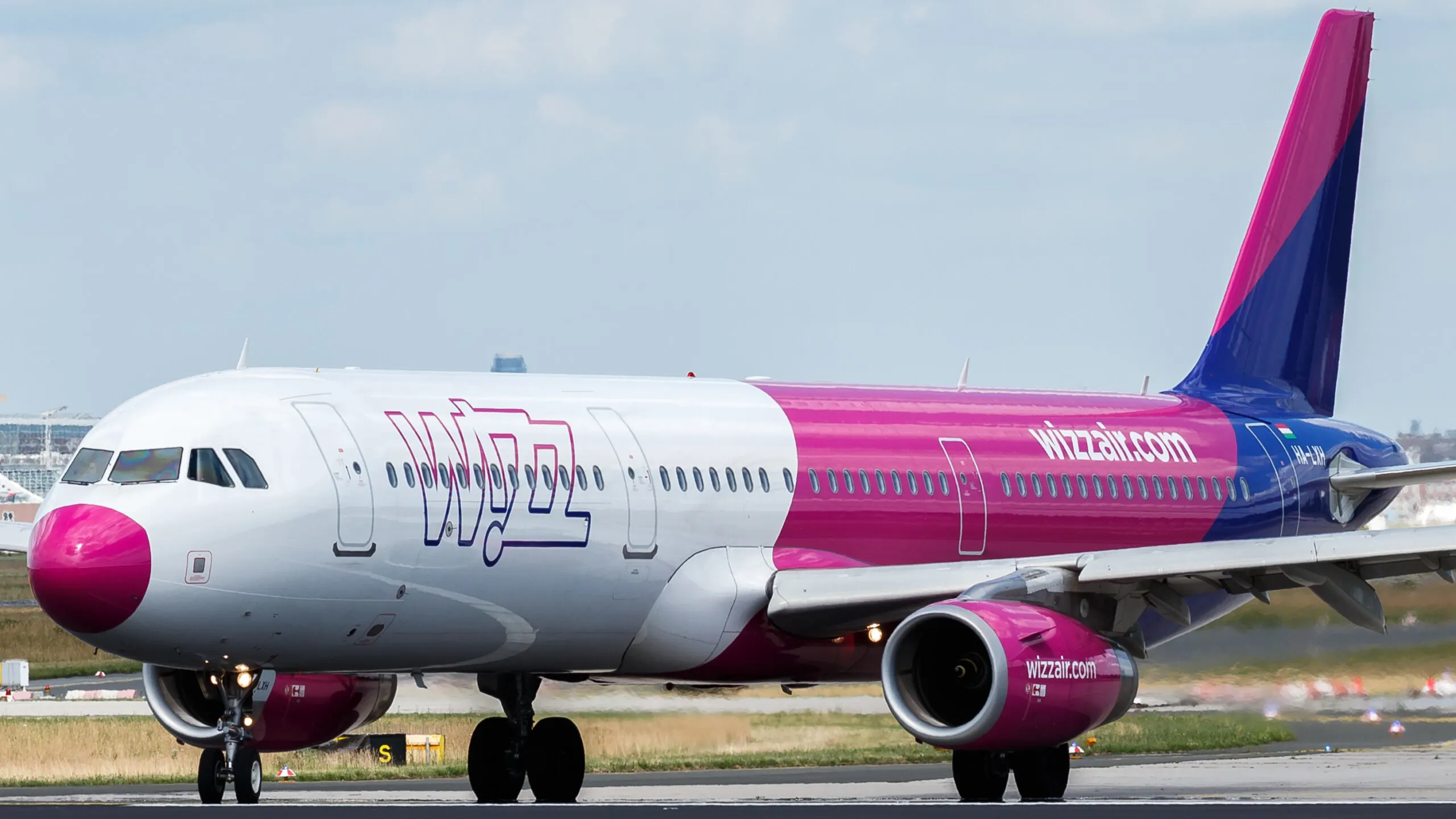
Revised Network Strategy
As Wizz Air shifts focus from its Abu Dhabi joint venture, the airline is honing its growth strategy in Central and Eastern Europe.
New operational hubs are set to begin service in:
- Warsaw Modlin Airport (WMI)
- Tuzla International Airport (TZL)
- Yerevan Zvartnots International Airport (EVN)
- Bratislava Airport (IATA BTS), each starting with two aircraft.
These strategic hubs are expected to significantly contribute to cost savings starting in fiscal 2027. Additionally, Wizz Air plans to bolster its presence in key markets including Skopje, Sofia, Katowice, Wrocław, Kraków, Gdańsk, Tirana, and Chişinău.
Financial Snapshot & Operational Insights
In the six months ending September 30, 2025, Wizz Air recorded a 25% rise in operating profit to €439 million, along with a modest increase in net profit to €323 million.
At this half-year mark, 35 of their aircraft were grounded for engine inspections as part of addressing concerns with the Pratt & Whitney GTF series; a decrease from 41 at the end of the previous quarter. The airline expects this number to drop to around 25-30 aircraft in the upcoming fiscal year.
Conclusion
Wizz Air’s new fleet strategy emphasizes cost control and sustainable growth over aggressive expansion. By switching its A321XLR orders to standard A321neos and extending delivery schedules, the airline aligns its operational goals with its low-cost European business model.
The commitment to an all-neo fleet by 2033 enhances Wizz’s potential to lower unit costs and boost overall operational efficiency.
What do you think about Wizz Air’s plan for an all-A321neo fleet?