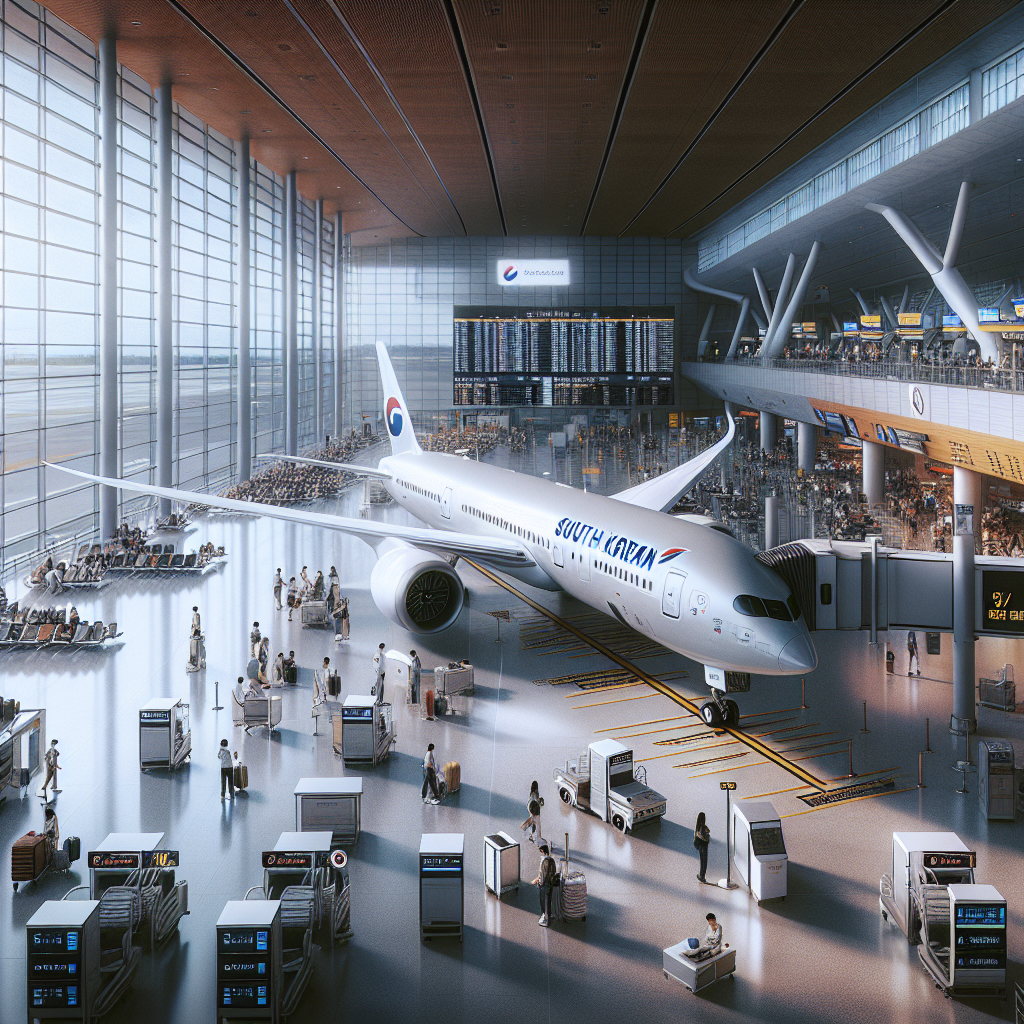
Korean Air Reduces Regional Flights by 45% Due to Delays

Korean Air Cuts 45% of International Flights: A Shift in Strategy and Its Impact
SEOUL – Korean Air (KE), the flagship airline of South Korea, has made significant reductions to its international flight schedule from regional airports, cutting flights by 45% from 2019 to 2024. This strategic shift has ignited discussions about its implications for regional connectivity and the broader aviation landscape.
With only 6,199 international flights planned from regional airports in 2024, down from 11,408 in 2019 (excluding Seoul’s Gimpo and Incheon airports), Korean Air’s cut reflects a broader realignment in response to delivery delays and fluctuating demand. This transition highlights ongoing challenges within the aviation sector as it navigates a post-pandemic recovery.
Understanding the 45% Flight Reduction
Korean Air’s decision to reduce its international flights comes amid an industry-wide restructuring. The airline’s operating capacity has been hindered by delays in aircraft deliveries, forcing it to temporarily scale back regional services.
- Flight Decrease Details:
- Busan’s Gimhae Airport (PUS): A 42% drop, from 9,675 flights in 2019 to just 5,567 in 2024.
- First Quarter of 2025: A further decline of 36% year-on-year, from 2,580 to 1,632 flights.
According to Korea JoongAng Daily, Korean Air has attributed these cutbacks primarily to issues with aircraft manufacturers. However, many critics argue that the airline is prioritizing Seoul’s Incheon Airport, where reductions were limited to just 5.7%.
Regional Impacts of Flight Reductions
The significant drop in regional flights has raised concerns among local communities. Busan, a key economic center, risks losing vital connectivity, which could adversely impact tourism and trade.
- Community Reactions:
- Civic groups are vocal about perceived biases favoring Seoul-centric operations.
- Local politicians have called for government intervention to ensure fair service distribution across all regions.
While Korean Air’s strategy may optimize fleet utilization at major hubs, it risks alienating regional stakeholders as demand for routes, particularly to China, remains sluggish.
Future Outlook for Korean Air and the Aviation Industry
The future landscape of South Korea’s aviation sector remains uncertain as Korean Air adapts to ongoing supply chain disruptions and evolving passenger preferences. As a member of the SkyTeam alliance, the airline’s focus on long-haul, more profitable routes positions it to compete effectively with global carriers.
However, regional airports like Gimhae may continue to face challenges without a diversified service offering. The potential for recovery hinges on resolving delivery delays and stabilizing regional demand.
Although Korean Air may reconsider its regional flight offerings in the future, its current strategy prioritizes cautious optimization in a climate of uncertainty.
Conclusion
Korean Air’s significant cut in international flights from regional airports reflects a broader trend in the aviation industry as it grapples with recovery challenges. While the airline’s focus on long-haul routes may serve its interests, the impact on regional economies cannot be overlooked. Share your thoughts on these developments or explore related articles to understand the evolving aviation landscape better.
For further insights, check out the Korea JoongAng Daily for ongoing coverage on the aviation sector and its challenges.