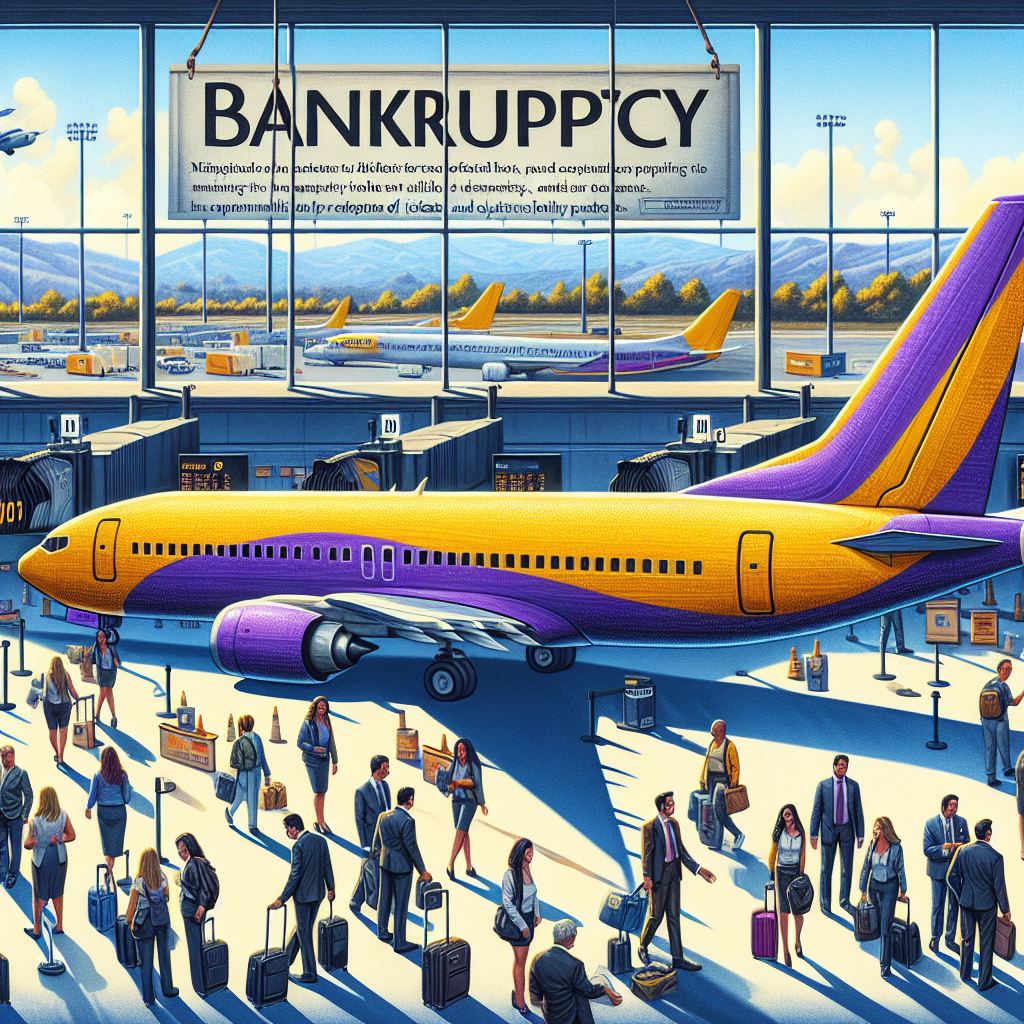
Spirit Airlines Files for Bankruptcy Protection

Spirit Airlines Files for Chapter 11 Bankruptcy: What You Need to Know
NEW YORK – In a significant development for the aviation industry, Spirit Airlines, a prominent low-cost carrier in the United States, has filed for Chapter 11 bankruptcy protection as of November 18. This decision follows a series of setbacks, including a failed acquisition by JetBlue and ongoing challenges in debt renegotiation. The airline aims to restructure its financial obligations and continue operations, with expectations to emerge from this phase by the end of the first quarter of 2025.
Despite the bankruptcy filing, Spirit Airlines reassures its customers that all previously purchased tickets and loyalty points remain valid. Travelers can continue to use their tickets and redeem points without disruption.
History and Reasons Behind Spirit Airlines’ Bankruptcy
Founded in 1992, Spirit Airlines is well-known for its no-frills approach to air travel, which has garnered both loyal supporters and critics. In 2006, private equity firm Indigo Partners acquired a majority stake in the airline, focusing on cost reduction and offering ticket prices devoid of extras such as checked baggage or in-flight meals.
This business model initially proved successful, allowing Spirit to thrive in the competitive aviation market, both domestically and internationally. However, the airline last reported an annual profit in 2019, and the repercussions of the COVID-19 pandemic have heightened its operational struggles.
In recent years, Spirit has faced increasing competition and significant operational challenges, notably due to engine issues affecting over 200 aircraft in the A320 family. While the airline anticipates receiving between $150-200 million in compensation, it has already implemented several cost-cutting measures, including delaying aircraft deliveries and furloughing pilots. Last month, Spirit sold 23 airplanes and plans to sell more to support its recovery strategy.
Understanding Chapter 11 Bankruptcy
Chapter 11 bankruptcy is a legal process that allows companies to reorganize their debts while continuing operations. In the past decade, this option has been utilized by numerous airlines, including major carriers like American, Delta, and United, particularly in the aftermath of the 9/11 attacks. Importantly, filing for Chapter 11 does not necessarily result in liquidation; instead, it offers Spirit Airlines a pathway to recover and stabilize its operations.
For Spirit, the challenge lies in navigating rising operational costs while maintaining its low-cost model, which primarily focuses on domestic flights without premium cabin options.
Conclusion
Spirit Airlines’ filing for Chapter 11 bankruptcy marks a pivotal moment for the airline and its customers. As the airline works to restructure its operations and address its financial challenges, travelers are encouraged to stay informed about their bookings and points.
For more updates on Spirit Airlines and other aviation news, feel free to share your thoughts or explore related articles on airline policies and travel tips. Stay tuned for more developments on this evolving situation.
For more information on Chapter 11 bankruptcy and its implications, visit Investopedia or explore The Balance.