Emirates Halts All Flights to This Notable African City

DUBAI- Emirates Airlines (EK) has halted all flights connecting Dubai International Airport (DXB) with Seychelles (SEZ) and the capital of Madagascar, Antananarivo (TNR), due to ongoing civil disturbances in Madagascar. This suspension is effective immediately and will continue until further updates are provided.
The airline announced on October 12 that it has canceled its services from Dubai to Antananarivo. This impacts its usual multi-stop route via Seychelles, which operated from Tuesday to Sunday.
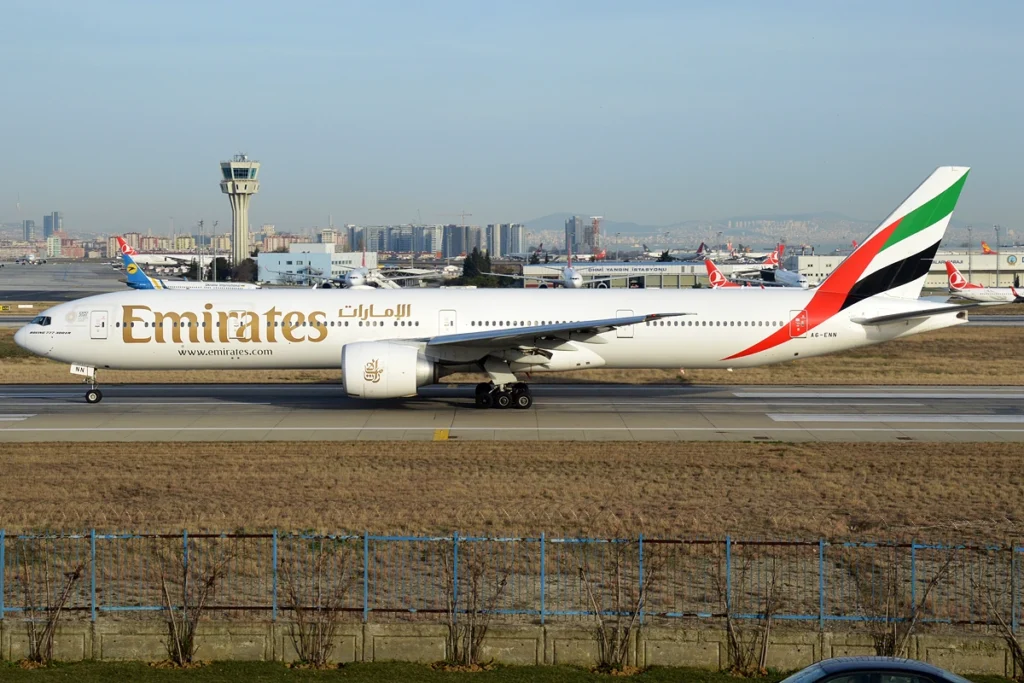
Emirates Cancels Flights to Key Cities
This cancellation is significant for regional connectivity between Dubai, Seychelles, and Madagascar. Emirates cited safety and operational challenges arising from the unrest in Antananarivo.
Typically, flights from Dubai to Antananarivo pass through Seychelles, catering to both business and leisure passengers across the Indian Ocean.
The suspension also affects travelers going between Seychelles and Madagascar, disrupting vital links for trade and tourism.
No precise date has been given for when flights might resume, though Emirates has committed to restarting services as travel conditions stabilize. The airline underscored that passenger safety is its highest priority.
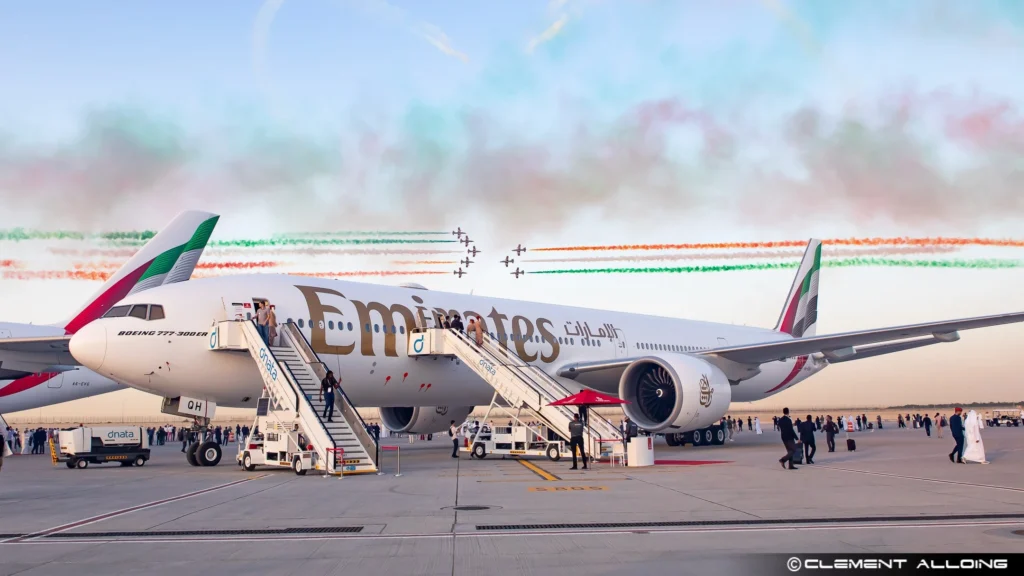
Guidance for Affected Passengers
Passengers booked on the affected routes are advised to reach out to their travel agents or contact Emirates directly for rebooking or refund options.
Travelers are encouraged to log into the ‘Manage Your Booking’ section on the Emirates website to update their contact details for real-time status updates.
The airline has stated that travelers with Antananarivo (TNR) as their final destination will not be allowed to board flights from any origin until operations resume. Emirates has expressed regret for the inconvenience and is closely monitoring the situation in tandem with local authorities.

Impact on Regional Operations
Before the suspension, Emirates was providing regular flights linking Dubai (DXB) to Antananarivo (TNR) via Seychelles (SEZ), supporting trade and tourism in the region.
This temporary cessation not only disrupts travel between Dubai and Madagascar but also impacts the connection between Seychelles and Madagascar, affecting both tourism and essential logistics.
Although no resumption timeline is in place, Emirates is expected to continually assess the situation and keep travelers informed. This decision underscores the airline’s focus on ensuring the safety of its passengers and crew as the unrest in Madagascar poses challenges for transport and security.
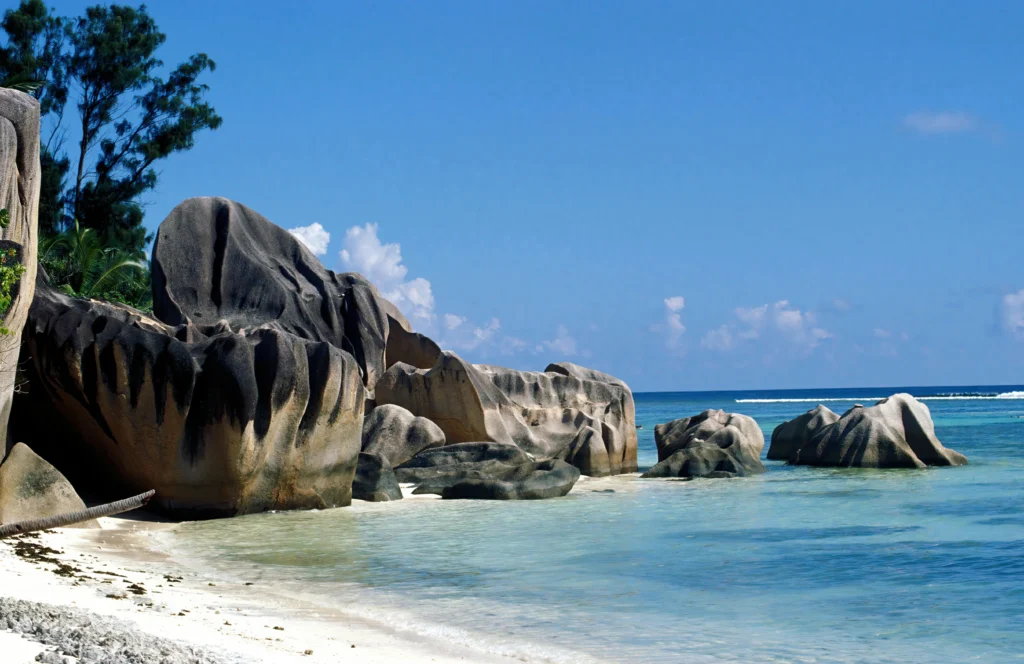
Discovering Seychelles
Seychelles, an idyllic island nation in the Indian Ocean, features 115 islands amidst pristine, turquoise waters. Renowned for its coral reefs and stunning beaches, this destination is a favorite among luxury travelers and nature enthusiasts alike.
The Seychelles International Airport (SEZ), located on Mahé Island, serves as a gateway with major airlines, including Air Seychelles (HM), connecting to various global hubs. Affordable guesthouses and local eateries make it accessible to budget-conscious travelers as well.
Exploring Beyond the Beaches
While Seychelles is famous for its beaches, its allure extends beyond picturesque coastlines. Located 2,000 kilometers from Kenya’s shores, the archipelago is home to two UNESCO World Heritage Sites: Vallée de Mai on Praslin and Aldabra Atoll. Each inhabited island—Mahé, Praslin, and La Digue—offers unique charm and activities.
On Praslin, visitors can explore Vallée de Mai’s ancient palm forest, sheltering the rare Coco de Mer and diverse wildlife. La Digue provides a relaxed atmosphere for cycling while discovering its beaches like Anse Source d’Argent. Mahé, being the largest island, features mountainous trails, vibrant Creole markets in Victoria, and a burgeoning local dining scene.
Adventure lovers can hike Morne Blanc in Morne Seychellois National Park, snorkel at Beau Vallon, or dive at locations such as Shark Bank. Birdwatchers should visit Cousin Island Reserve, home to numerous native bird species, while the Veuve Nature Reserve on La Digue protects the endangered Black Paradise Flycatcher.
Budgeting the Seychelles Experience
Though Seychelles isn’t the cheapest destination, careful planning can help maximize your budget. Accommodation ranges from modest guesthouses at about 1,000 SCR per night to mid-range hotels around 4,500 SCR. Dining at casual eateries costs between 50–175 SCR, while a restaurant meal can reach 580 SCR.
Guesthouses like Seashell (Praslin), Liane de Mai (La Digue), and Villa Kayola (Mahé) offer affordable stays. A budget of roughly 2,000 SCR per day can cover local food and short outings, while mid-range travelers can expect 4,100 SCR/day including some excursions. For luxury, anticipate around 7,900 SCR/day.
To save costs, utilize public transport (5–10 SCR per ride), prepare meals yourself, and travel slowly between islands using ferries like Cat Cocos and Cat Rose.
Must-See Experiences in Seychelles
- Anse Source d’Argent – Features stunning pink granite boulders and crystal-clear waters.
- Aldabra Atoll – The world’s largest raised coral atoll, home to giant tortoises.
- Morne Seychellois National Park – Offers panoramic views over Mahé through forest trails.
- Bazaar Labrin (Beau Vallon) – A vibrant weekly market showcasing Creole food and crafts.
- Natural History Museum (Victoria) – Displays local ecological exhibits and environmental challenges.
Water activities and delicious local cuisine—including coconut curries and grilled fish—enhance the island experience.
Best Time to Visit Seychelles
The optimal months to visit are April to May and September to October, when calm seas and light winds create ideal conditions for snorkeling and diving. The resort climate averages around 30°C year-round. Wildlife enthusiasts can also observe turtle nesting from October to March, with hatchlings appearing early in the new year.
It’s advisable to avoid peak winds (May to November on eastern coasts and December to March on western coasts) for a smoother beach experience.
Safety Tips and Precautions
Seychelles is considered one of Africa’s safest destinations, with rare incidents of petty theft. However, basic safety measures should still be taken—securing valuables and avoiding leaving items unattended is advisable. The roads can be narrow, so driving cautiously is essential.
Emergency services can be reached at 112. Having travel insurance is recommended, particularly for adventurous activities like diving.
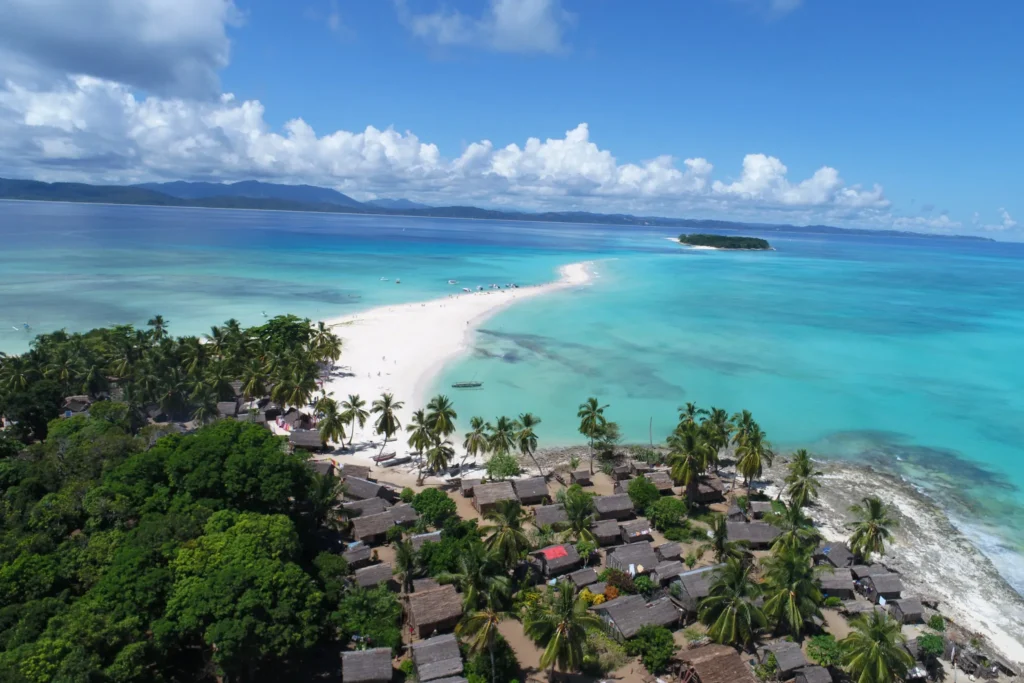
Exploring Madagascar
A trip to Madagascar offers a unique glimpse into a diverse and vibrant ecosystem. From luxury beach resorts to remote hiking trails, the island showcases a combination of unspoiled nature, rich culture, and wildlife found nowhere else on the planet.
Accessed via Air Madagascar (MD) at Ivato International Airport (TNR), the island boasts stunning landscapes ranging from sunny beaches to misty mountains. Its unique ecosystems and local cultures make it a destination worth the effort of careful planning.
Isolation has rendered Madagascar a biodiversity hotspot; around 95% of its amphibians and reptiles and 90% of its mammals are unique to the island.
From the lemur-inhabited rainforests of Andasibe to the striking baobab avenues near Morondava, each area offers a different aspect of Madagascar’s charm. Proper timing, organization, and preparation are essential to fully appreciate everything the island has to offer.
Timing Your Visit
The weather greatly influences travel in Madagascar. As the island has varying climates, the southern part experiences warm and dry conditions, while the highlands can become quite chilly. Cyclone season from January to April often disrupts travel plans. The best times for activities like hiking and whale watching are typically June to September, whereas December is ideal for diving. Flexibility with plans is key.
Navigating Madagascar
Traveling in Madagascar requires some patience. Long journeys can take significant time due to rough terrain and potholes, especially in rural areas. Even major routes between cities can be slow, so it’s wise to craft itineraries that allow for thorough exploration rather than rushing through.
Wildlife and Nature Adventures
For wildlife enthusiasts, researching both the best timing and park locations is crucial. Parks like Andasibe-Mantadia are excellent for hearing the indri, while Ranomafana offers a variety of lemur species. The elusive fossa is also typically spotted in Kirindy Forest near Morondava, making it essential to consult seasonal guides for optimal viewing opportunities.
Gastronomic Delights
Madagascar’s cuisine is a delightful fusion of African, Asian, and French influences. Coastal towns feature fresh seafood, with local favorites like octopus salad and foza sy hena-kisoa, while the highlands serve zebu beef dishes such as romazava. In Antananarivo, the thriving dining scene includes pastry shops and French-inspired cafes, showcasing the country’s culinary evolution.
Cultural Sensitivity
Respecting local customs is essential. Many areas uphold fady (taboos) related to behavior or food that visitors should be aware of. Asking local guides for advice and seeking permission before photographing ceremonies can foster positive interactions. Warm greetings, handshakes, or small gifts like rice or rum when visiting homes reflect the local etiquette.
Current Safety Guidelines
While Madagascar generally remains safe, conditions can change. Visitors are encouraged to consult travel advisories from respected sources for timely information on road safety and local unrest. Collaborating with reliable tour operators can enhance awareness of current developments.
Visas and Currency
Most travelers can obtain a visa upon arrival at Ivato International Airport (TNR) or other entry points, allowing stays of 15, 30, or 60 days. Fees must be paid in cash (either euros or U.S. dollars). Although credit cards are accepted in higher-end establishments, it’s advisable to carry cash for daily expenses. Keeping mixed denominations of currency is recommended when banks or ATMs are inaccessible.
Would you consider planning a getaway to Seychelles or Madagascar in the near future?