2024 Pilot Training: Navigating Delays and Embracing AI

Title: Navigating the Future of Pilot Training Amidst Aviation Industry Challenges in 2024
Introduction
The aviation industry faced significant upheaval in 2024, influenced by technological advancements, sustainability demands, and operational disruptions. One of the most crucial areas affected is pilot training, which has had to adapt rapidly to these challenges. In this article, we explore how the evolving landscape of pilot training is shaping the future readiness of the aviation sector.
The Impact of Boeing and Airbus Delivery Delays on Pilot Training
The aviation sector was significantly impacted by continued delivery delays from Boeing and Airbus, with aircraft delivery schedules dropping 30% below expected targets. According to the International Air Transport Association (IATA), the backlog for new aircraft has surged to a staggering 17,000 planes, resulting in a projected 14-year wait at current production rates. This disruption has compelled airlines to lean heavily on dry and wet leasing arrangements, fundamentally altering their pilot training programs.
- Martynas Mazeika, Chief Sales Officer at BAA Training, highlighted the challenges these delays pose for long-term training strategies:
- “The unpredictability makes it challenging for airlines to align pilot training with operational needs.”
- He noted that while investment in new training devices remains uncertain, outsourcing training on an as-needed basis has become a pragmatic solution this year.
Despite these hurdles, some industry experts view this situation as an opportunity. The slowdown in Type Rating programs opens avenues for initial pilot training, preparing pilots to be ready just as new aircraft deliveries commence. However, Mazeika emphasized, "Pilot training is fundamentally about people; maintaining their skills is critical."
The Rise of Multi-Crew Pilot License Programs
In 2024, the Multi-Crew Pilot License (MPL) gained significant traction, providing a streamlined pathway to becoming a pilot. Initially met with skepticism, MPL programs have demonstrated their effectiveness, with no airlines reverting to the traditional Commercial Pilot License (CPL) route post-adoption.
- Key factors driving MPL’s success include:
- Changing perceptions of the pilot profession and competition among airlines to attract candidates.
- MPL offers a faster, more focused route that appeals to aspiring pilots.
This shift could play a pivotal role in addressing the ongoing pilot shortages as the industry rebounds from years of instability. While the future of MPL as a global standard remains uncertain, its growing acceptance suggests a new direction for pilot training.
Embracing AI and Automation in Pilot Training
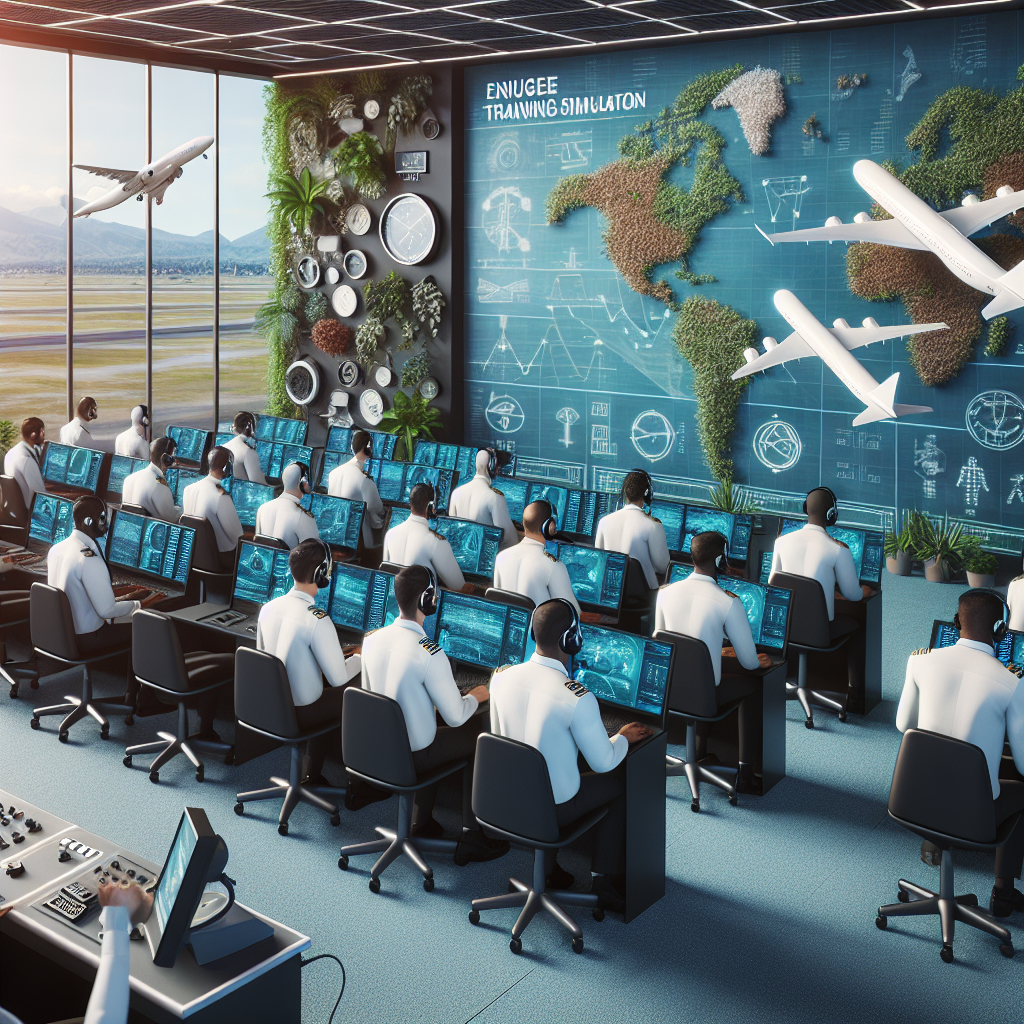
The integration of artificial intelligence (AI) and automation in 2024 has begun to revolutionize pilot training methodologies. From AI-enhanced flight simulators to advanced cockpit systems, these technologies are reshaping pilot preparation.
- Mazeika noted, “AI allows flight simulators to make real-time adjustments based on pilot behavior, creating personalized training experiences.”
- As cockpit automation evolves, the role of pilots is transitioning from hands-on flying to managing complex systems, necessitating a stronger focus on situational awareness and decision-making skills.
Looking ahead, AI’s potential in pilot training is vast, encompassing predictive analytics, optimized training schedules, and virtual instructors that can simulate complex scenarios. This integration is not only about keeping pace with technology but also about staying ahead in a rapidly changing industry.
Challenges Introduced by the Airbus A321XLR
The aviation industry’s commitment to sustainability gained momentum in 2024, with global sustainable aviation fuel (SAF) production hitting 1 million metric tons, nearly doubling from the previous year. The introduction of eco-friendly aircraft like the Airbus A321XLR has further transformed the landscape, offering 30% better fuel efficiency per passenger.
- However, the A321XLR’s unique operational profile presents new challenges for pilot training:
- Pilots must adapt to its dual nature, managing short-haul and long-haul flights within the same operational day.
- New training modules are needed to cover transatlantic crossing procedures and strategies for extended rest periods and remote layovers.
Moreover, the sustainability focus requires pilots to master fuel management techniques and adopt eco-friendly flying practices, aligning with the industry’s green initiatives.
Looking Ahead: The Future of Pilot Training
The developments of 2024 have undoubtedly left a lasting impact on pilot training. From overcoming aircraft delivery delays to embracing AI and sustainability, the aviation industry has shown remarkable resilience and adaptability. These changes not only address immediate challenges but also pave the way for the next generation of pilots and the future of aviation.
As we approach 2025, one thing is clear: the evolution of pilot training will continue to be influenced by technological advancements, environmental priorities, and the ever-shifting demands of the global aviation landscape.
Call-to-Action
What are your thoughts on the future of pilot training in the aviation industry? Share your insights in the comments below or explore related articles for more information on these exciting developments.
For more insights into aviation trends, check out our articles on pilot shortages and the role of technology in training.
For further reading on sustainable aviation initiatives, visit the IATA website.