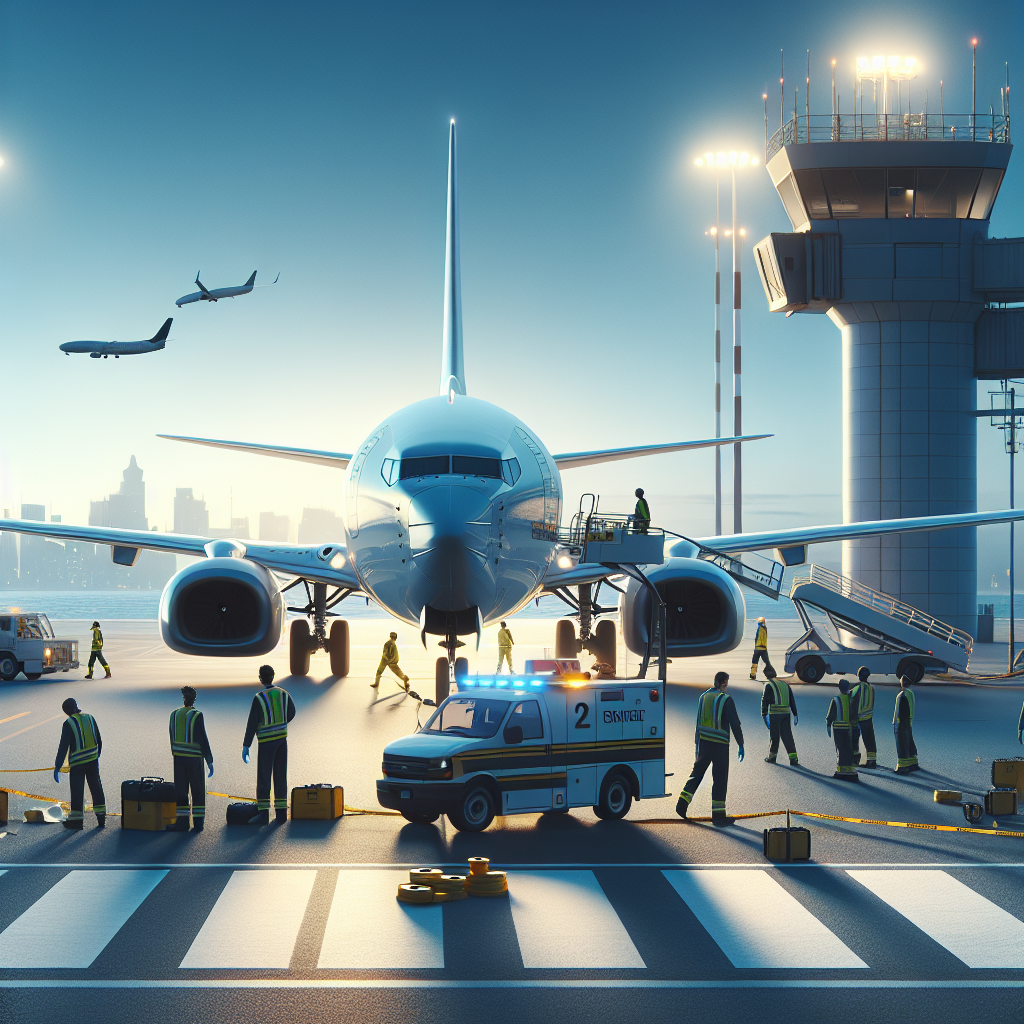
Jeju Air Boeing 737 Faces Landing Gear Issue After Crash

Jeju Air Boeing 737 Malfunction Raises Safety Concerns After Recent Crash
SEOUL – On December 30, 2024, a Jeju Air Boeing 737-800 experienced a critical landing gear malfunction during its morning flight, marking the second serious incident involving the airline within just two days. This alarming event has sparked significant concerns regarding the safety of Jeju Air’s operations, particularly as it follows a devastating crash that claimed 179 lives just a day earlier.
Jeju Air operates a fleet of 40 Boeing aircraft, including 38 Boeing 737-800s and the 737 MAX 8. The recent incidents have prompted an urgent reassessment of safety measures across the airline industry.
Jeju Air Boeing 737 Malfunction
The troubled aircraft, operating as Flight 7C 101, took off from Gimpo International Airport at 6:37 a.m. with 161 passengers on board. Shortly after departure, the flight crew reported irregularities in the landing gear system. In response, they swiftly activated emergency safety protocols.
- The aircraft circled back to Gimpo International Airport.
- A precautionary landing was successfully executed.
- Ground crews inspected the aircraft, and all passengers were safely evacuated.
In an effort to minimize disruption, Jeju Air arranged for an alternative aircraft, which departed for Jeju Island at 8:30 a.m. with all passengers aboard.
Context of the Plane Crash
This incident followed a tragic crash involving another Jeju Air Boeing 737-800 at Muan International Airport in South Jeolla province on December 29. The aircraft had attempted a belly landing without its landing gear deployed, resulting in the deadliest civil aviation disaster in South Korean history.
In light of these events, South Korea’s acting president, Choi Sang-mok, has ordered nationwide emergency safety inspections of all airline operations. The government has initiated a comprehensive audit of all 101 Boeing 737-800 aircraft currently operating domestically. Investigators from the United States, including potential representatives from Boeing, have been invited to join the investigation team.
Focus on Safety Measures
The investigation is particularly focused on the landing gear systems, as preliminary findings indicate that the aircraft involved in the crash attempted to land without properly deployed landing gear, ultimately crashing into an airport wall.
Choi Sang-mok, who took office just days before the disaster, has underscored the urgent need for systemic changes within the aviation safety framework. He emphasized the government’s commitment to overhauling safety protocols to prevent future tragedies.
Conclusion
The recent Jeju Air Boeing 737 incidents have raised serious questions about airline safety in South Korea. As investigations continue, the industry must prioritize the implementation of stringent safety measures to protect passengers and restore public confidence.
If you have thoughts on airline safety or want to stay updated on related news, feel free to share your comments below or check out our articles on aviation safety protocols and aircraft technology advancements. For more information on the Jeju Air incidents, visit Aviation Safety Network.