India-Canada Air Travel: Will Tensions Bring a Decline?

India-Canada Air Travel: Navigating Tensions and Changing Demand
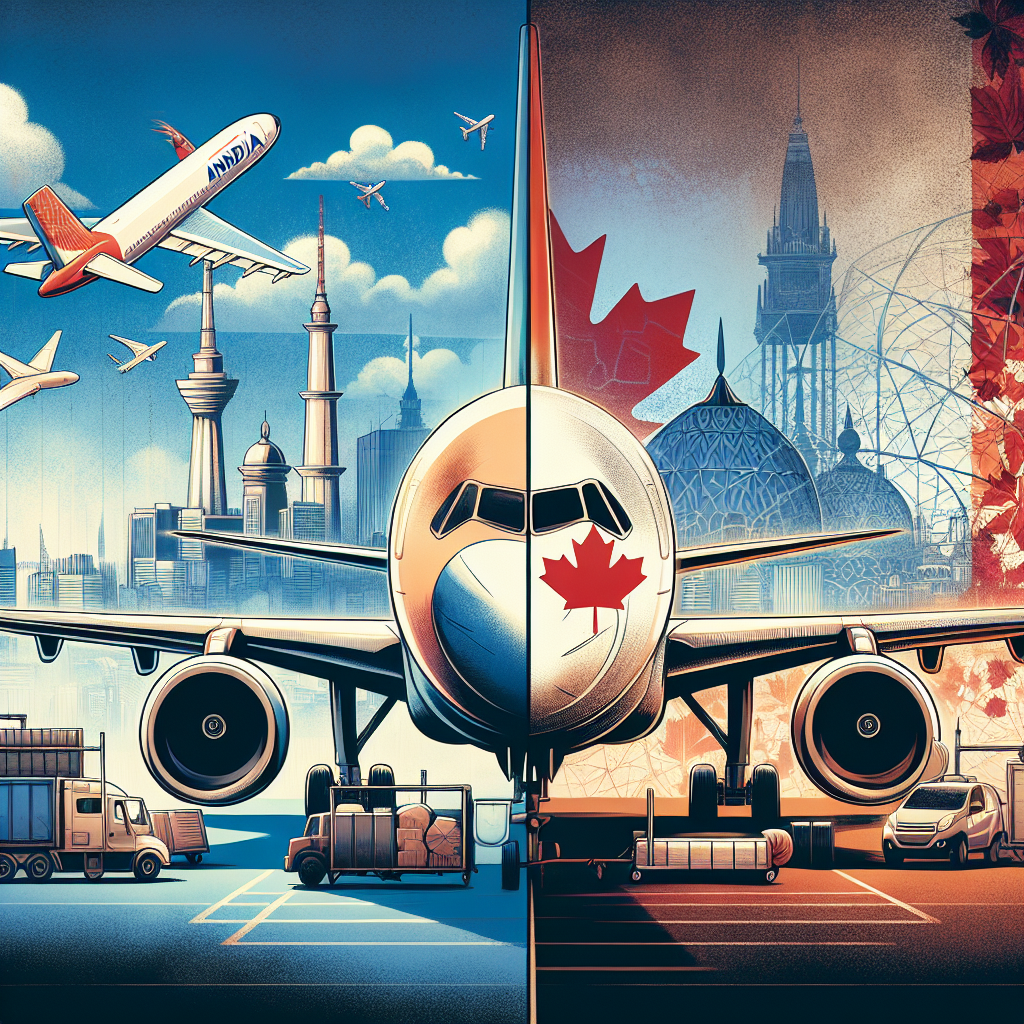
The political relationship between India and Canada has become increasingly strained, impacting travelers between the two nations. As tensions rise, a significant decline in air travel demand is anticipated, particularly on key routes connecting major cities. This article explores the current state of India-Canada air travel, examining the implications of rising visa rejection rates and shifting passenger patterns.
Understanding the Impact of India-Canada Tensions on Air Travel
Ravreet Singh, an aviation analyst and blogger, sheds light on the evolving dynamics of the Canada-India aviation market. The combination of diplomatic strains and Canada’s strict immigration policies has led to a marked decrease in travel demand, especially from Punjab.
- Visa Rejection Rates: High rejection rates for student and visitor visas are altering travel patterns, leading to declining airfare prices. For instance, the average fare for Delhi-Toronto routes is currently around $775, while Delhi-Vancouver fares hover around $660.
Current Flight Network Between India and Canada
Air India maintains a robust international service, with 21 weekly non-stop flights to Canada from Delhi—14 to Toronto and 7 to Vancouver. Air Canada complements this with daily services from Toronto and Montreal, including strategic connections via London and seasonal routes to Mumbai.
Following the 2022 air service agreement update, both countries now permit unlimited flights, which has allowed airlines to expand their offerings. However, the pressing question remains: will this increase in flight availability be sustainable?
Comparing Current Travel Data with Previous Trends
In 2022, the India-Canada air travel market saw 1.36 million passengers traveling between Delhi and major Canadian cities. The most popular route was Delhi-Toronto, carrying 706,000 passengers, followed by Delhi-Vancouver with 340,000 travelers.
Here’s a breakdown of point-to-point traffic data shared by Ravreet Singh:
- Delhi-Toronto: 706,000 passengers
- Delhi-Vancouver: 340,000 passengers
- Delhi-Calgary: 112,000 passengers
- Delhi-Edmonton: 83,000 passengers
- Delhi-Winnipeg: 70,000 passengers
- Delhi-Montreal: 46,000 passengers
Punjab traditionally contributes a significant share of this traffic. However, the decline in outbound demand from the region could indicate a potential contraction in the market, prompting airlines to respond to these shifts.
Airline Responses to Changing Demand
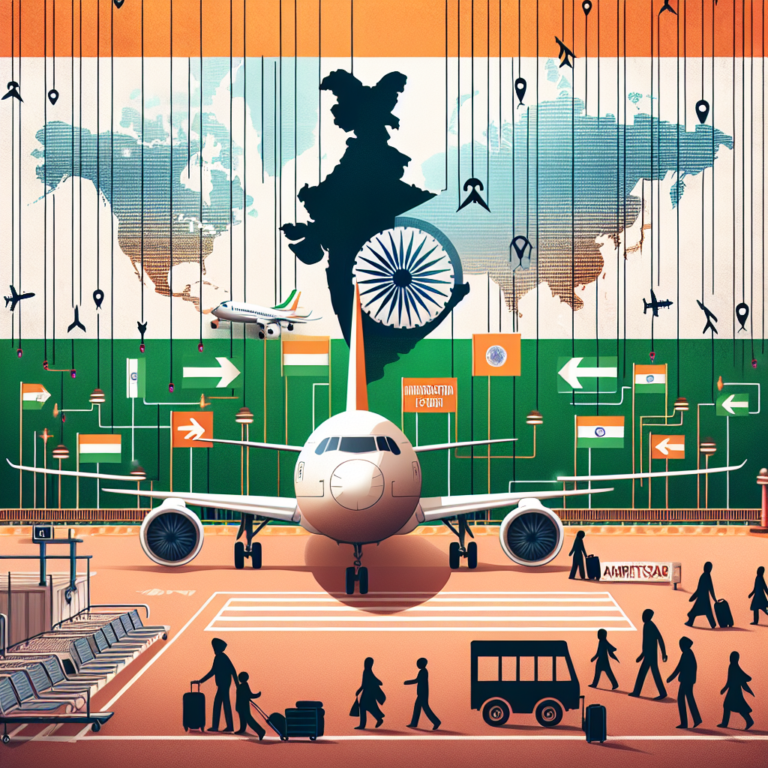
Neos Airlines has announced a 50% reduction in capacity on its Amritsar-Toronto route, despite launching just two years prior. Additionally, emerging competitors like Qatar Airways and Virgin Atlantic are set to launch non-stop services, intensifying competition in the India-Canada air travel segment.
Despite currently operating around 40 weekly flights—nearly double the pre-pandemic figures—the future growth of this market remains uncertain. Will demand continue to rise, or will it begin to decline?
Will Air India Adjust Its Operations?
As market dynamics shift, Air India faces crucial strategic decisions. Ravreet Singh suggests the airline may consider suspending its second daily Delhi-Toronto service in the Summer 2025 schedule, potentially reallocating resources to enhance its U.S. network or expand routes from Mumbai.
Optimizing the aircraft fleet could also be a strategy, with a possible transition from Boeing 777-300ERs to more fuel-efficient 787-9s. However, immediate changes may be limited due to current fleet constraints.
Enhanced Security Measures for Air Canada Flights
Recently, Transport Canada implemented heightened security measures for passengers traveling from Canada to India, primarily affecting Air Canada flights. Transport Minister Anita Anand announced these temporary additional screening measures in response to unspecified security concerns.
Travelers are advised to arrive at the airport at least four hours before departure due to extended wait times. Toronto Pearson Airport has also issued warnings about potential delays during international pre-board screening, urging passengers to verify flight details.
While the specifics behind these new security protocols remain unclear, they reflect a broader trend of increased vigilance in cross-border travel security.
Conclusion
The ongoing political tensions between India and Canada have significant implications for air travel demand and operational strategies of airlines. As the situation evolves, both travelers and airlines must adapt to the changing landscape. Share your thoughts on the future of India-Canada air travel or explore related articles for more insights.