Qantas Flies Sydney to Singapore Amid ‘Biohazard’ Alert

Sydney Family Faces Health Crisis After Qantas Flight Contamination
A recent incident involving a Sydney family on a Qantas Airways flight has raised alarming concerns about airline sanitation protocols. After boarding a flight from Sydney (SYD) to Singapore (SIN) on January 18, 2025, the family discovered their seats were contaminated with vomit. This unfortunate experience has sparked discussions about the hygiene standards maintained by airlines, particularly during long-haul flights.
Hygiene Concerns on Qantas Flight
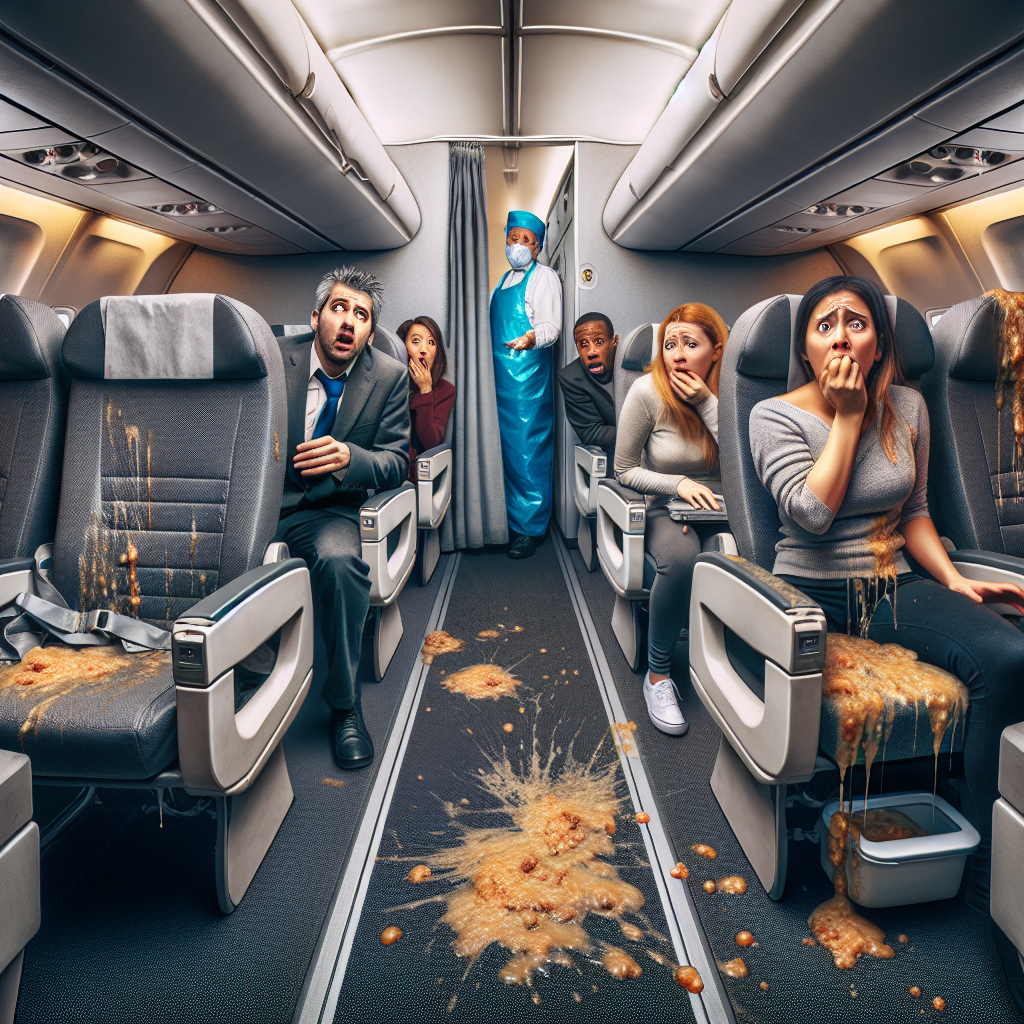
The Keegan family was shocked to find that their assigned seats and the surrounding carpet were saturated with vomit residue. Alarmingly, the contamination also affected the crew’s jump seat, indicating a severe hygiene issue within the cabin. Despite acknowledging the biohazard risk, the Qantas crew informed the family that they were unable to clean the contaminated areas due to unspecified reasons.
Faced with the uncomfortable choice of enduring an eight-hour flight in contaminated seats or facing significant travel delays for an alternative flight, the family chose to proceed with their journey. Unfortunately, this decision led to serious health complications, as Keegan reported that her family developed gastroenteritis symptoms following their exposure to the unclean environment.
Qantas’s Response Under Scrutiny
The lack of immediate action from Qantas has drawn significant scrutiny. As of January 20, 2025, Keegan reported no contact from the airline regarding their complaint, raising further concerns about how the airline handles passenger health and safety incidents. This incident highlights the urgent need for airlines to reassess their sanitation procedures and ensure passenger safety during flights.
Related Incidents in the Airline Industry
The Qantas incident is not isolated. On August 30, 2024, a Delta Air Lines flight experienced a similar crisis when a passenger’s acute diarrhea forced the aircraft to return to Atlanta. The Airbus A350 had to undergo complete sanitization, resulting in an eight-hour delay for passengers.
Additionally, a United Airlines flight faced a severe biohazard emergency when deteriorating cabin conditions led to widespread illness among passengers and crew. These incidents underline the critical importance of effective in-flight sanitation and rapid response protocols to address health crises.
Conclusion: The Need for Improved Sanitation Protocols
The health crisis faced by the Keegan family on the Qantas flight has sparked vital discussions about airline sanitation standards. With multiple incidents highlighting the challenges airlines encounter during biohazard emergencies, it is clear that improved protocols and passenger safety measures are essential.
For more insights into airline safety and sanitation practices, check out our related articles on airline hygiene standards and passenger health protocols. Share your thoughts on this incident and how airlines can improve their sanitation practices in the comments below!