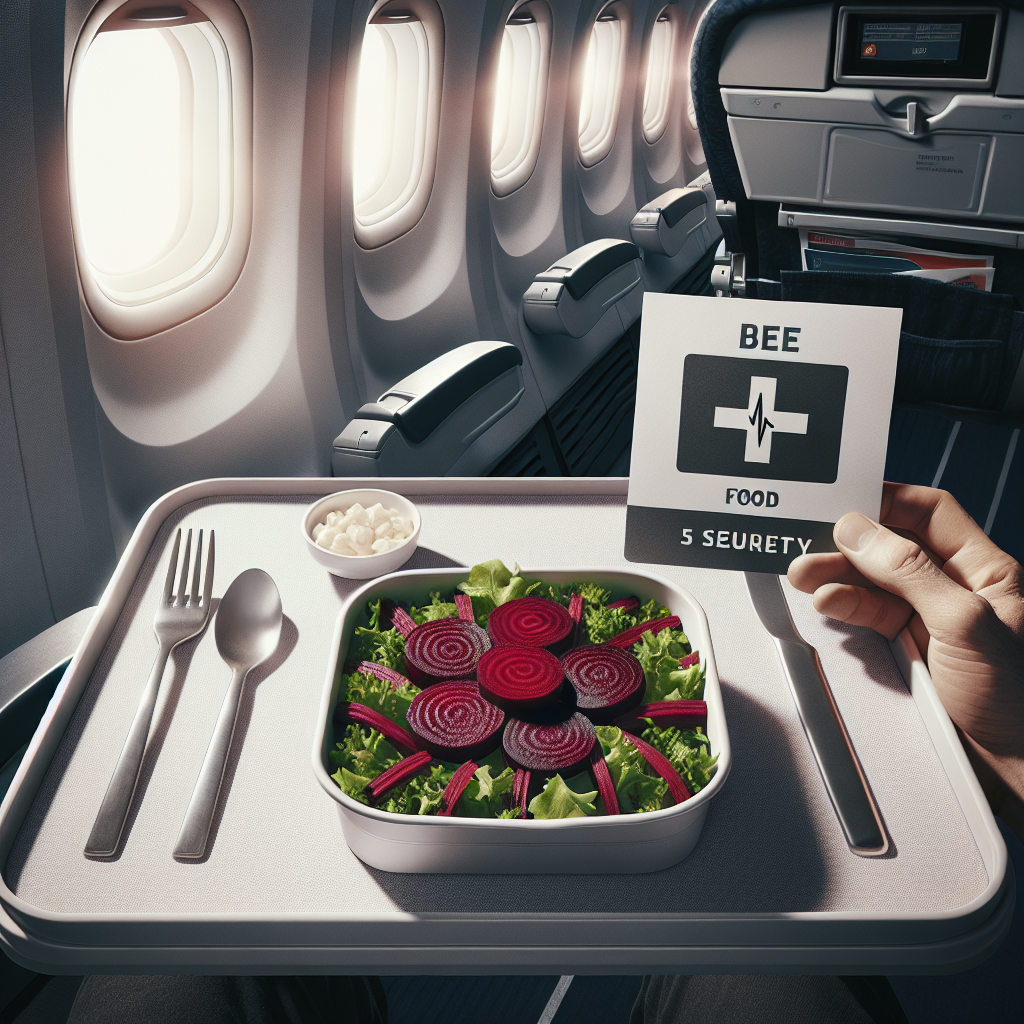
43 Passengers Fall Ill from Beetroot Salad on Cathay Flight

Food Poisoning Outbreak Linked to Cathay Pacific Flights: What You Need to Know
HONG KONG – The Centre for Health Protection (CHP) has concluded its investigation into a significant food poisoning outbreak involving two Cathay Pacific Airways (CX) flights from Kathmandu, Nepal. The inquiry revealed that a beetroot salad, potentially contaminated with Staphylococcus aureus, was the likely cause of illness among passengers, raising concerns about food safety in the aviation industry.
A total of 43 passengers, comprising 22 men and 21 women, reported food poisoning symptoms after consuming in-flight meals on January 8 and 9. Symptoms—including vomiting, nausea, abdominal pain, and diarrhea—manifested within 10 to 60 minutes of eating. Fortunately, no hospitalizations were required.
Cathay Pacific Passengers Affected by Food Poisoning
In the CHP’s investigation, stool samples from two affected passengers tested positive for Staphylococcus aureus. The agency conducted extensive interviews with 120 passengers to assess their food consumption before and during the flights. Findings indicated that all 43 affected individuals had consumed on-board catering, with the beetroot salad identified as a statistically significant risk factor.
- Key Findings:
- Approximately 500 food servings were analyzed, with two samples showing no Staphylococcus aureus exceeding food safety standards.
- The preparation of the beetroot salad involved multiple manual handling steps, which heightened the risk of contamination.
- The CHP inspected the food factory twice and identified hygiene vulnerabilities.
Following the investigation, the CHP instructed the factory to stop supplying beetroot salad to Cathay Pacific flights on January 10. Since then, no additional food poisoning incidents have been reported.
Recommendations for Improved Food Safety
To prevent future outbreaks, the CHP recommends the implementation of several risk mitigation strategies:
- Reduce manual food handling.
- Use utensils to minimize direct hand contact with ingredients.
- Enforce strict hand hygiene protocols for food handlers, especially during preparation stages without subsequent heating.
The investigation underscores the need for stringent food safety measures in aviation catering, particularly concerning items with higher risks of contamination.
Similar Incidents in the Aviation Industry
This incident is not isolated; it follows other food safety challenges within the airline industry. For example, a major food poisoning outbreak at Denver International Airport affected over 200 United Airlines flight attendants and employees who consumed holiday meals. The Association of Flight Attendants-CWA confirmed a direct link between the meal service and reported illness.
In late 2024, Delta Air Lines temporarily suspended hot meal service on over 200 flights due to safety concerns at a catering facility. Additionally, a separate international food-related outbreak occurred in November 2024 at Tokyo’s Narita Airport, affecting flights from Guam, with 34 passengers reporting illness.
Conclusion
The recent food poisoning outbreak linked to Cathay Pacific flights highlights critical issues surrounding food safety in the airline industry. As investigations continue and protocols are updated, it serves as a reminder for airlines and catering services to prioritize the health and safety of their passengers.
For more information on airline food safety or to share your thoughts on this incident, feel free to leave a comment or explore our related articles on food contamination and safety practices in aviation.