Spirit Airlines Bans Passengers with Obscene Tattoos, Clothing

Spirit Airlines Updates Dress Code Policy: What Passengers Need to Know
Spirit Airlines (NK) has recently updated its "contract of carriage," introducing new guidelines regarding passenger attire and tattoos. These changes aim to address concerns about offensive or obscene tattoos and clothing deemed inadequate. While Spirit’s intent to maintain decorum on its flights is clear, the updates have raised questions about the subjective enforcement of these policies.
In this article, we’ll explore the specifics of Spirit Airlines’ new dress code policy, its implications for passengers, and how it compares to similar policies across the airline industry.
Spirit Airlines Tattoos and Clothing Policies
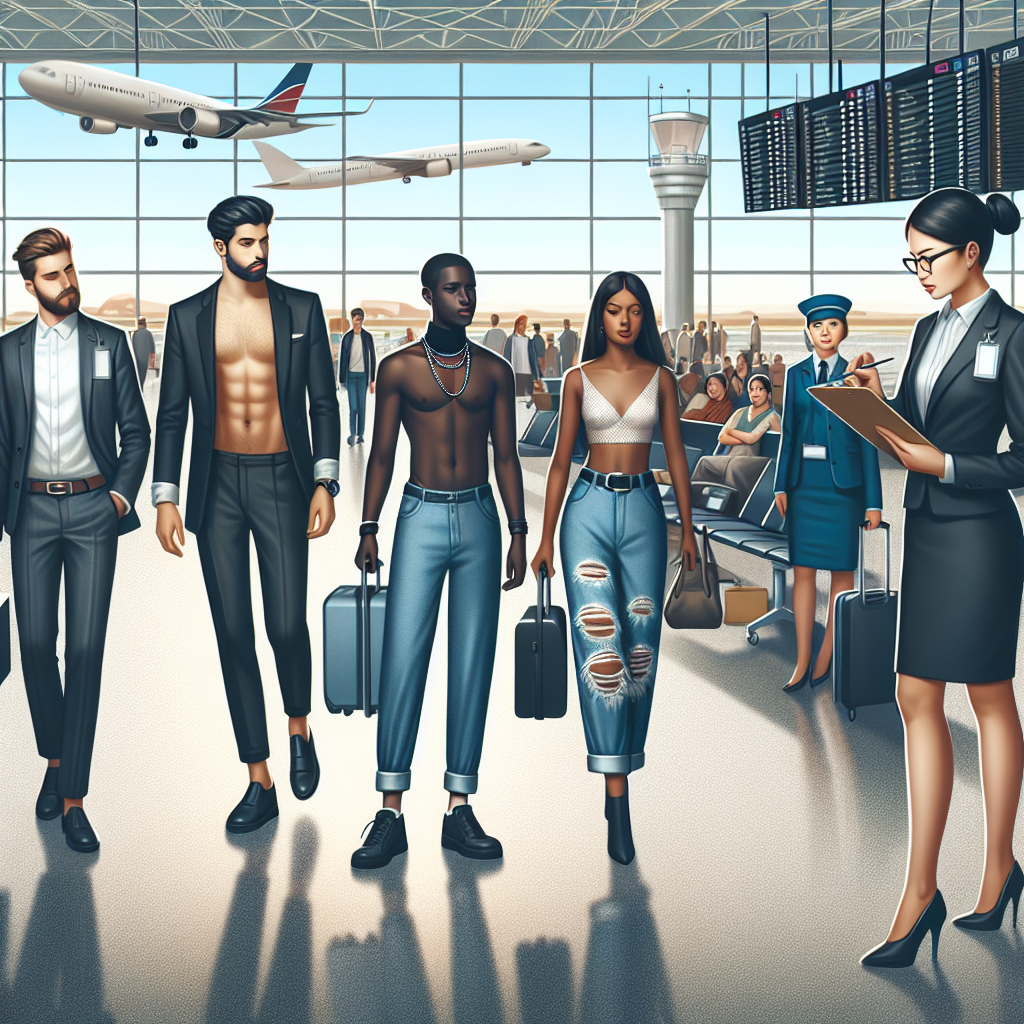
Under the revised contract, Spirit Airlines has specified that passengers displaying "lewd, obscene, or offensive" tattoos, or those dressed in "inadequate clothing," may be denied boarding. So, what exactly constitutes inadequate clothing? The airline defines it as:
- See-through garments
- Exposure of private areas
- Insufficient coverage overall
Tattoos identified as offensive by airline staff must also be covered before boarding. While these updates provide clearer examples of unacceptable attire, the vague language surrounding tattoo enforcement leaves room for personal interpretation by airline personnel.
Passengers may need to rethink their wardrobe choices or cover tattoos to comply with these new guidelines.
Dress Code Enforcement and Gender Disparities
Airline dress codes are not new, but they often disproportionately impact female passengers. Although policies are typically written in gender-neutral terms, women frequently find themselves the focus of enforcement actions. For example, in 2024, two women were barred from boarding Spirit Airlines for wearing crop tops, forcing them to rebook with another airline at a significant cost.
Similarly, American Airlines has faced backlash for incidents where women were asked to change clothing deemed inappropriate. These cases underscore the subjective nature of dress code enforcement, leading to public criticism and debate about fairness.
Similar Policy Implications Across Airlines
Dress code policies vary widely among airlines, with interpretations often left to individual staff members. For instance, American Airlines (AA) prohibits offensive clothing and bare feet but grants considerable discretion to its staff. This has resulted in incidents like a passenger being asked to cover a T-shirt promoting a social justice group, which was misinterpreted by staff.
Other airlines, such as Qantas (QF), enforce strict dress codes in airport lounges, prohibiting items like gym wear, sleepwear, and revealing clothing. While these policies aim to uphold a certain standard, they frequently spark discussions about their fairness and consistency.
Conclusion: What Does This Mean for Travelers?
As Spirit Airlines rolls out its updated dress code policy, travelers should be aware of the potential for subjective enforcement. Passengers are encouraged to dress appropriately and consider covering any tattoos that may be viewed as offensive.
For more insights on airline policies and travel tips, feel free to share your thoughts below or check out our related articles on airline travel etiquette.
Related Links: