Passenger’s Wifi Name ‘I Have a Bomb’ Delays American Airlines Flight

American Airlines Flight Delayed Over Wi-Fi Security Scare
A recent incident involving American Airlines (AA) flight AA 2863 from Austin (AUS) to Charlotte (CLT) caused significant disruption, delaying the flight by over four hours due to a security scare. This alarming situation was triggered by a passenger’s choice of a Wi-Fi network name that read, “I have a bomb.” Such incidents, while often intended as jokes, can lead to serious security protocols and operational challenges for airlines.
Understanding the American Airlines Flight Delay
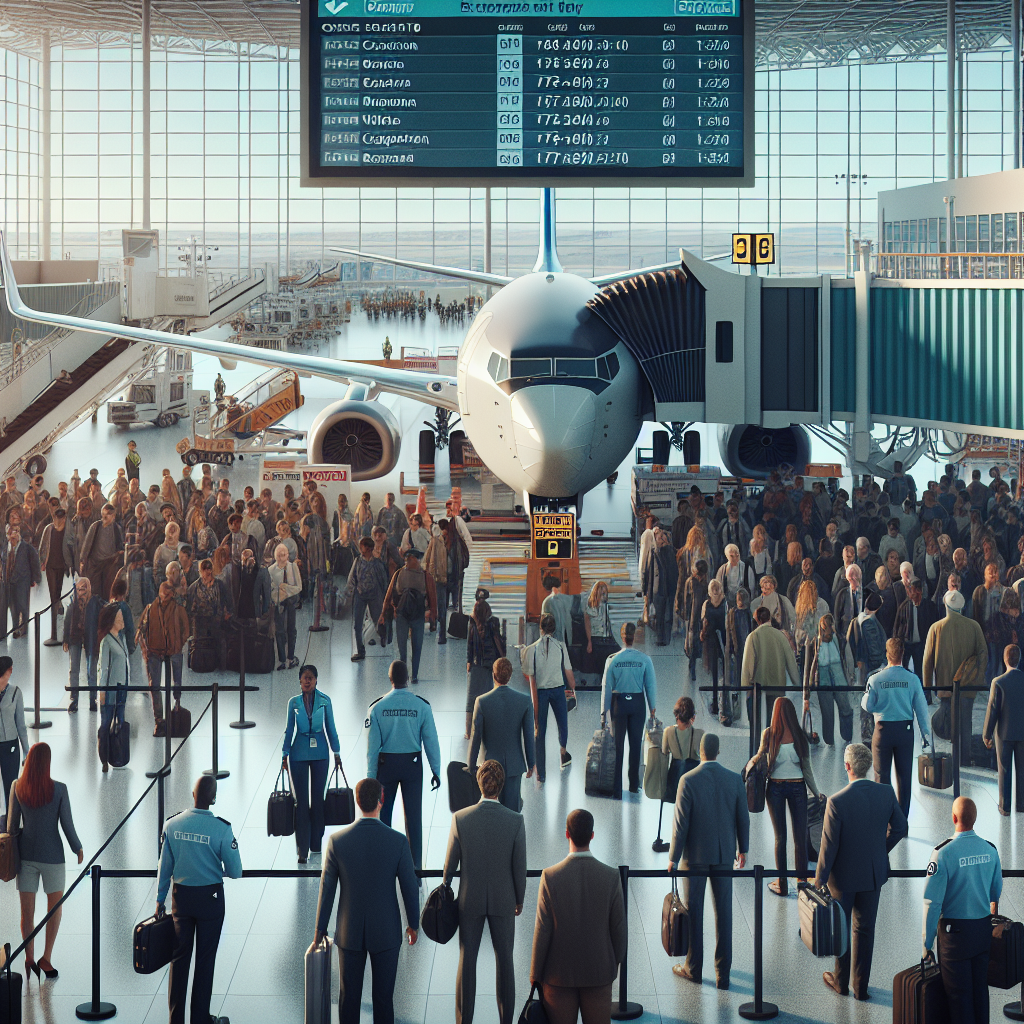
The security scare on American Airlines flight AA 2863 prompted immediate action from law enforcement officials. Upon boarding the aircraft, authorities requested the passenger responsible for the Wi-Fi name to identify themselves. When no one stepped forward, all passengers were evacuated for further screening, causing a significant delay.
- Immediate Response: Law enforcement quickly cordoned off the gate area, preventing any passengers from leaving. All baggage was removed from the aircraft for inspection.
- Security Measures: Multiple K9 units, explosive device specialists, and TSA agents were deployed to investigate the situation thoroughly.
Eyewitness accounts describe a scene filled with security personnel, including over 20 TSA agents, as passengers were organized into a controlled line for additional screening. After extensive security checks, passengers were eventually allowed to reboard the aircraft.
Previous Similar Incidents
This isn’t the first time a Wi-Fi network name has led to significant disruptions in air travel. Previous incidents have involved passengers naming their hotspots with alarming phrases, such as “Southwest – Bomb on Board” or referencing banned devices like the “Samsung Galaxy Note 7.”
- Unintended Consequences: While some may find humor in these names in residential settings, using them on an aircraft can lead to severe consequences, including operational delays and heightened security responses.
Operational Impact on Travelers
Following the security procedures, passengers reboarded the Boeing 737-800, which had been in service for 25 years. Unfortunately, the lengthy delay resulted in many travelers missing their connecting flights. As of now, American Airlines has not released an official statement regarding the incident.
A Look at Other Security Responses
A similar incident occurred recently at Auckland Airport (AKL), where a telephoned security threat targeting Air New Zealand (NZ) flight NZ677 led to emergency protocols being activated. Passengers were evacuated row by row while security teams conducted thorough searches of the aircraft and luggage.
- Passenger Experience: Evacuated passengers were guided to a designated area as they awaited updates, with many expressing concern over the potential bomb threat. Despite the distressing situation, Air New Zealand staff provided snacks to waiting passengers, and security teams found no evidence of any threats.
Conclusion
The incident involving American Airlines flight AA 2863 serves as a reminder of the serious implications that can arise from seemingly harmless actions. While many passengers may find humor in Wi-Fi names, it’s essential to remember the potential repercussions in a sensitive environment like an aircraft.
If you have thoughts on this incident or want to learn more about air travel safety, feel free to share your comments below or check out related articles on aviation safety measures.