Exploring Cultural Diversity in Aviation: Benefits and Solutions

Harnessing Cultural Diversity in Aviation: Navigating Communication Challenges for Safer Skies
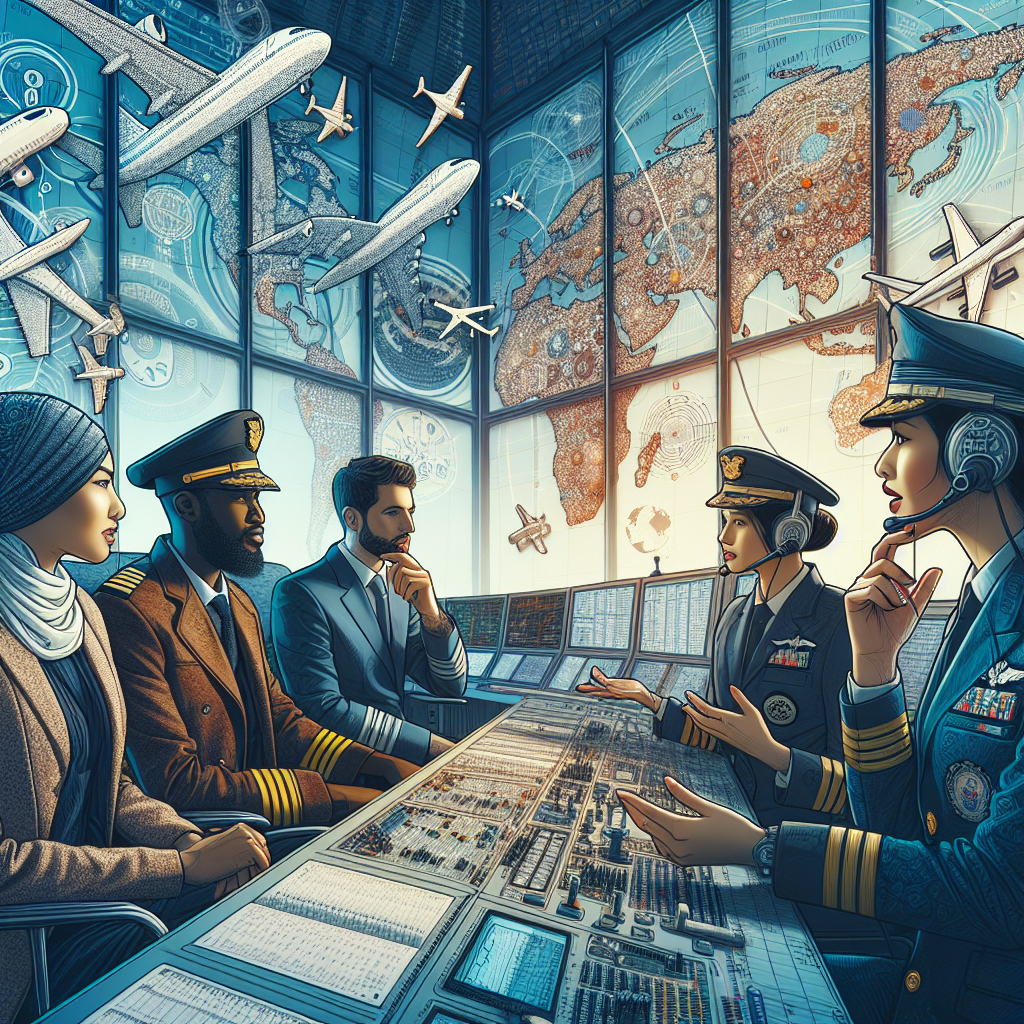
Aviation is a global industry that connects professionals from diverse backgrounds. While cultural differences in aviation can present both opportunities and challenges, effective communication is essential for promoting safety and efficiency. In this article, we explore how aviation professionals can leverage cultural diversity to enhance teamwork and mitigate communication barriers, ultimately improving safety in the sky.
The Role of Language in Aviation Safety
The International Civil Aviation Organization (ICAO) has conducted extensive research, evaluating over 28,000 incident and accident reports. Alarmingly, communication challenges were identified as a leading factor in over 70% of these occurrences. Miscommunication, particularly between pilots and Air Traffic Control (ATC), can lead to critical misunderstandings that jeopardize safety.
To address these issues, the ICAO implemented Language Proficiency Requirements in 2008. This initiative ensures that all pilots and controllers, regardless of their native language, can communicate clearly in English. This requirement emphasizes that even native English speakers have a responsibility to enhance their linguistic proficiency to avoid miscommunication.
Understanding Cultural Norms and Communication Styles
Cultural norms significantly influence communication styles and hierarchical structures in aviation. Different societies perceive authority and decision-making differently, which can lead to misunderstandings among crew members. For example, cultures with a high power distance, such as Malaysia and several Middle Eastern countries, may create reluctance in subordinates to challenge authority figures. Conversely, countries like Denmark and the UK embrace a more egalitarian approach to communication.
One notable case highlighting the dangers of hierarchical miscommunication was the crash of Japan Air Lines Cargo Flight 1045 in 1977. The captain, a U.S. national, was intoxicated, yet neither of the Japanese co-pilots challenged his authority due to cultural norms regarding respect for hierarchy. This tragic incident underscores the importance of addressing cultural differences in the aviation industry.
Training for Cross-Cultural Communication
To minimize the risks associated with cultural miscommunication, cross-cultural training is vital. Such training prepares crew members to identify and respect cultural differences, enhancing teamwork and communication.
Key components of effective training include:
- Understanding Hierarchical Differences: Crew members learn how to navigate various communication styles and power dynamics.
- Language Proficiency Improvement: Training includes language exercises that emphasize the use of standard phraseology with ATC.
- Simulation Exercises: Advanced technology is used to create realistic scenarios that reflect diverse cultural situations, enabling crews to practice appropriate responses.
The Impact of Personal Backgrounds on Communication
Communication challenges in aviation can also stem from individual social skills. Stressful situations can exacerbate misunderstandings, as seen in the 1990 Avianca Airlines Flight 052 crash, where inadequate communication about fuel levels led to disaster. This incident highlights the necessity for a safety culture that encourages open communication among crew members.
Building Trust Through Active Leadership
Management plays a critical role in fostering a culture of trust and respect. Implementing diversity training as part of Crew Resource Management (CRM) programs can help bridge cultural gaps. CRM emphasizes:
- Effective Resource Utilization: Enhancing coordination among team members to ensure safe and efficient operations.
- Teamwork and Communication: Promoting clear dialogue and understanding of each other’s strengths, ultimately improving decision-making.
Continuous Improvement is Key
While the benefits of a multicultural flight crew are significant—such as enhanced problem-solving and innovation—effective management of cross-cultural issues remains essential. Companies must prioritize education and training to raise awareness of cultural differences and promote collaboration.
“Organizations should foster an environment of mutual respect and clarity in communication,” advises Abdelmagid Bouzougarh, CEO of Aerviva. “By understanding that what seems normal to one person may carry a different meaning for another, we can create a more inclusive and safer aviation environment.”
Conclusion: Embracing Diversity for Safer Skies
As the aviation industry continues to grow, embracing cultural diversity and improving communication practices is paramount. By investing in training, fostering trust, and promoting awareness of cultural differences, the aviation sector can enhance safety and efficiency for all.
We invite you to share your thoughts on how cultural diversity impacts aviation safety and read related articles on effective communication strategies in the industry.