Why Airlines Lower Cabin Lights for Takeoff and Landing

Airlines dim cabin lights during takeoff and landing primarily for safety rather than comfort or energy efficiency. This practice allows passengers’ eyes to adjust to lower light levels, which is crucial for quick evacuations in emergencies.
The phases of takeoff and landing present the highest risks for accidents, contributing to over 20% of fatal incidents during takeoff and more than 45% during landing. Dimming lights helps prepare the eyes for low visibility situations, a practice seen in many carriers.

Reasons for Dimming Cabin Lights
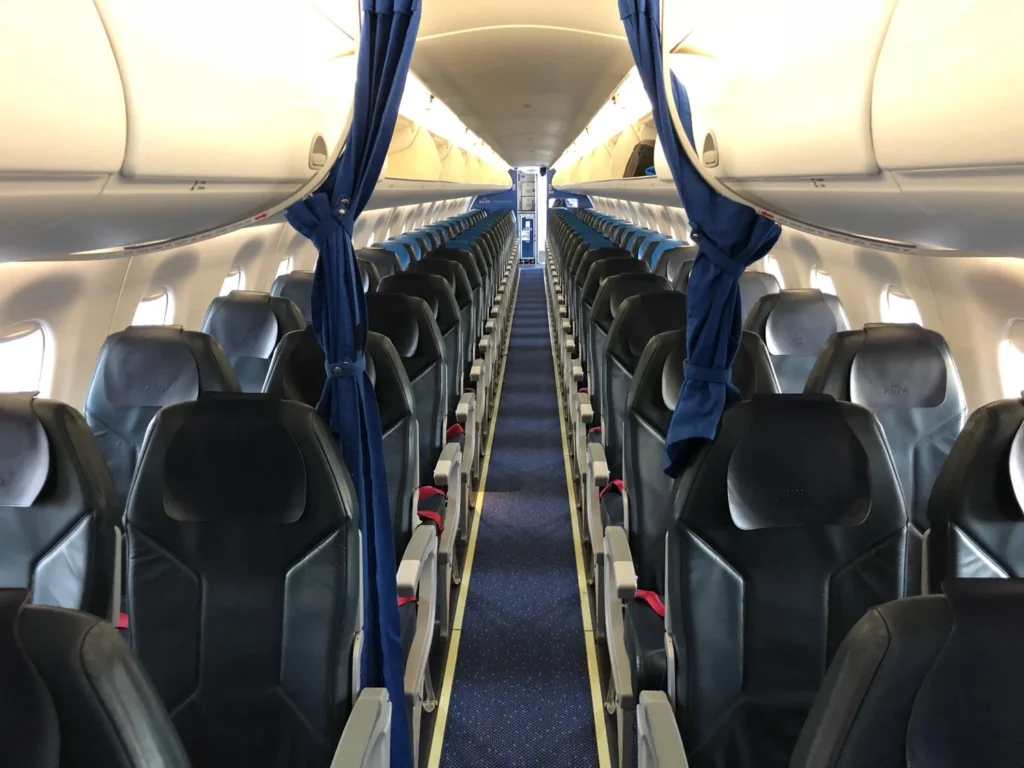
Cabin lights are typically bright during boarding, often utilizing natural daylight. Once the doors close and the aircraft begins taxiing, lights are dimmed for takeoff.
This adjustment allows passengers’ eyes to get used to the darkness, which is vital in emergencies. It takes about 30 minutes for full adaptation to darkness, but initial adjustments occur within five to ten minutes, enhancing visibility significantly.
Additionally, dimming improves the visibility of emergency features such as exit signs and floor path lights. In scenarios involving smoke or fire, eyes that have adjusted can identify these important indicators more quickly.
According to aviation experts, this measure is crucial during chaotic evacuations, where every second counts.
Patrick Smith, an airline pilot, noted: “Dimming the lights allows your eyes to pre-adjust to darkness, so you’re not suddenly blinded if something happens and the power goes out.”

The Significance of Cabin Dimming
Both scientific studies and industry experience validate the importance of dimming cabin lights. Previous accidents highlighted how disorientation from light sensitivity can impede safe evacuations in dark or smoky environments.
Regulatory bodies enforce preparedness for quick exits, including the practice of light dimming. Pilots are well aware of how vital it is for eyes to adjust during flight procedures.
On daytime flights, less dimming occurs due to natural light, whereas night flights significantly rely on it to ensure safety during evacuations.
Flight crew aims for evacuations to happen within 90 seconds, although actual times can vary. Statistics reveal that takeoff and initial climb are linked to over 20% of fatal accidents, and more than 45% occur during landing.
While many passengers may perceive dimming as a way to create a relaxed atmosphere during critical phases, safety is the driving force. Any minor energy savings are secondary to the main goal of improving safety and visibility.
Window Shade Guidelines
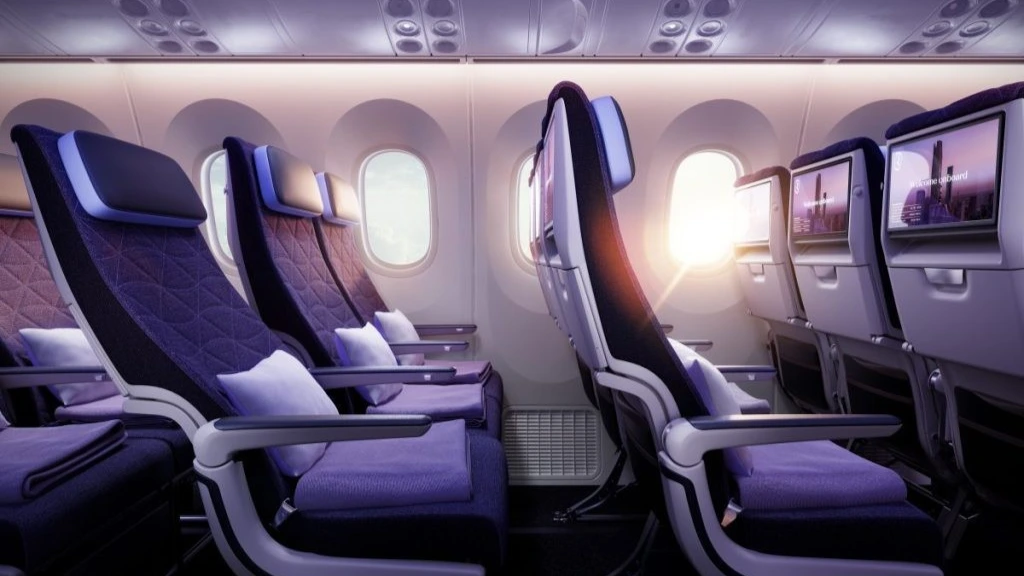
Flight attendants often ask for window shades to be raised during daytime flights for safety reasons. This helps maintain light in the cabin should power fail and allows for easier external assessments.
During emergencies such as fires, open shades facilitate quicker visual checks by the crew.
On night flights, shade positions become optional due to reduced external visibility. The dimmed lights help minimize window glare, allowing the crew clearer views of outside conditions.
On long-haul overnight flights, dimmed lights also promote passenger comfort and sleep. Modern aircraft, including the Boeing 787 and Airbus A350, incorporate mood lighting systems that simulate the natural transitions of sunsets and sunrises, helping to alleviate jet lag.
During cruising, external lights are usually turned off to save energy and extend bulb life.
Innovations in Cabin Lighting
Safety remains the primary motivation for cabin dimming, but airlines also cater to passenger comfort on long flights. Modern aircraft, such as the Boeing 787 Dreamliner and Airbus A350, feature advanced LED mood lighting systems.
These technologies mimic natural light cycles, using different color temperatures to help regulate passengers’ body clocks. This helps reduce fatigue and jet lag, creating a more pleasant travel experience.
Typically, external lighting is turned off while cruising to save energy and prolong the life of the bulbs.
Aircraft Evacuation Standards
Aviation regulations require aircraft designs that facilitate 90-second evacuations, even with half the exits unusable. This includes ample exits, effective path lighting, and emergency slides. Proper crew training is essential, as evidenced by Air Busan Flight 391’s safe evacuation during a fire incident.
Poor evacuation strategies can lead to dire consequences, as demonstrated by Aeroflot Flight 1492, where delays due to passengers retrieving luggage resulted in numerous fatalities.
Several events exemplify the importance of safety measures:
- Air Busan Flight 391 (January 2023): Caught fire while taxiing but was promptly evacuated, ensuring safety.
- Aeroflot Flight 1492 (May 2019): Experienced a fire after a hard landing. Many lives were lost due to evacuation delays caused by passengers attempting to retrieve their belongings.
These incidents underline the necessity of strict safety protocols, including dimming cabin lights for passenger protection.
Conclusion
Dimming cabin lights during takeoff and landing serves a critical safety purpose rather than being a mere routine. This reinforcement emphasizes the importance of emergency preparedness and the prioritization of passenger safety in aviation.
While modern lighting systems enhance comfort, the core objective remains the same: to facilitate faster and more effective evacuations when every second counts. How do you feel about these safety measures during your flights?