Alaska Airlines 737 MAX 9 Tire Bursts at Atlanta Airport

Alaska Airlines Boeing 737 MAX 9 Experiences Tire Malfunction During Departure
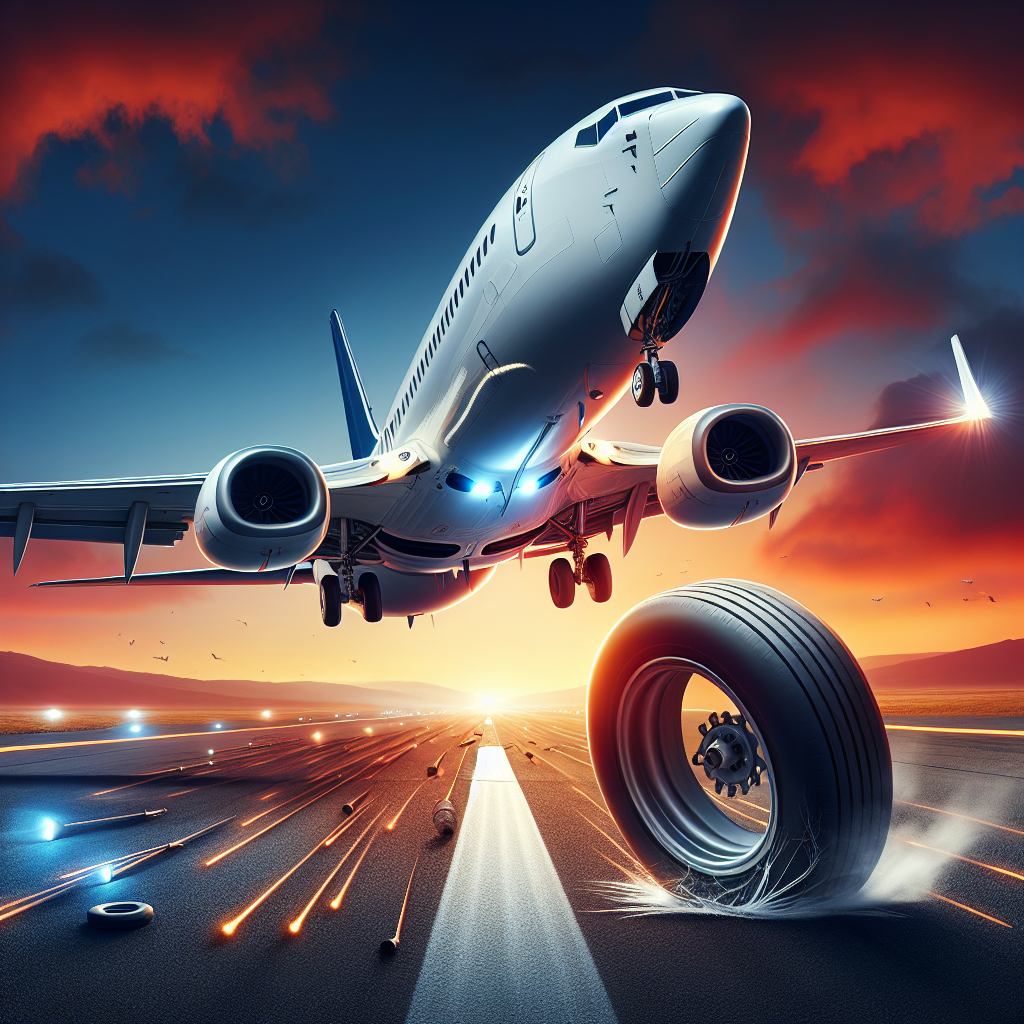
ATLANTA – An Alaska Airlines Boeing 737 MAX 9 faced a significant tire malfunction shortly after taking off from Hartsfield-Jackson Atlanta International Airport (ATL). Despite this critical incident, the flight successfully continued to San Diego International Airport (SAN) without any injuries to the 171 passengers and crew on board.
Flight AS474 departed at approximately 5:30 PM local time on Thursday, April 3, 2025. While the incident raised concerns, the quick actions of the flight crew ensured a safe arrival at their destination.
Photo: Steve Knight | Flickr
Incident Overview: Alaska Airlines 737 MAX 9 Tire Malfunction
According to the Federal Aviation Administration (FAA), the incident occurred as Flight AS474 took off from runway 26L when the right tire of the left main landing gear blew off. Debris from the blown tire was later found east of Taxiway D. After assessing the situation, the pilots determined that it was safe to proceed to San Diego.
Approximately 4.5 hours after takeoff, the aircraft landed safely at San Diego International Airport at 7:19 PM local time. As a precaution, the pilots declared an emergency landing, allowing for additional support upon arrival.
An Alaska Airlines spokesperson commented that while tire malfunctions are rare, pilots are rigorously trained to handle emergencies effectively.
Photo: Alaska Airlines
The FAA reported damage to the left engine near the blown tire, and the extent of the damage is currently under investigation. Following the incident, Alaska Airlines grounded the aircraft for maintenance. The Boeing 737-9 MAX, registered as N967AK, has been in service for about two years since its delivery in May 2023. The aircraft configuration includes 16 First Class seats, 162 Main Cabin seats, and 24 Premium Class seats.
Recent Similar Tire Incidents in Aviation
This latest incident is not isolated. In recent months, there have been several similar occurrences involving tire failures during takeoff:
- In November, an Alaska Airlines Boeing 737-900 experienced a tire failure while departing from Washington Dulles International Airport (IAD) but managed to complete its journey to Los Angeles (LAX) safely.
- A United Airlines Boeing 757-200 lost a main gear wheel shortly after takeoff from Los Angeles (LAX), which landed in a nearby employee parking lot.
- A SkyWest CRJ-900, operating as Delta Connection, safely landed in Minneapolis (MSP) after suffering a tire blowout during takeoff from Grand Rapids (GRR).
- An American Airlines flight dealt with a tire blowout during takeoff preparations, which resulted in smoke and sparks before the aircraft halted on the runway.
Photo: Wikimedia Commons; Compiled by Aviation A2Z
Understanding Tire Failures in Aviation
Tire failures, such as blowouts or bursts, can occur despite the advanced engineering and strict maintenance protocols in place. These incidents pose challenges for aircraft handling and can sometimes lead to more significant mechanical issues or safety concerns.
Key points regarding tire failures include:
- Pilot Training: Pilots undergo specialized training to manage tire-related incidents, ensuring passenger safety through established protocols.
- Maintenance Protocols: Comprehensive maintenance ensures aircraft tires are in optimal condition, reducing the risk of failure.
- Engineering Standards: Well-engineered tire construction plays a crucial role in minimizing the likelihood of defects.
Conclusion: Prioritizing Safety in Aviation
While tire malfunctions are a concern, the aviation industry employs rigorous safety measures to mitigate risks. Continued focus on pilot training, thorough maintenance, and high engineering standards helps ensure that passengers remain safe during their travels.
We’d love to hear your thoughts on this incident or any similar experiences you’ve had. Feel free to share your comments below or check out our related articles for more aviation news and updates.