Southwest Pilot Questions Aircraft Taxi Speed Limits

Why Do Airplanes Taxi So Slowly? An Insight into Aircraft Ground Operations
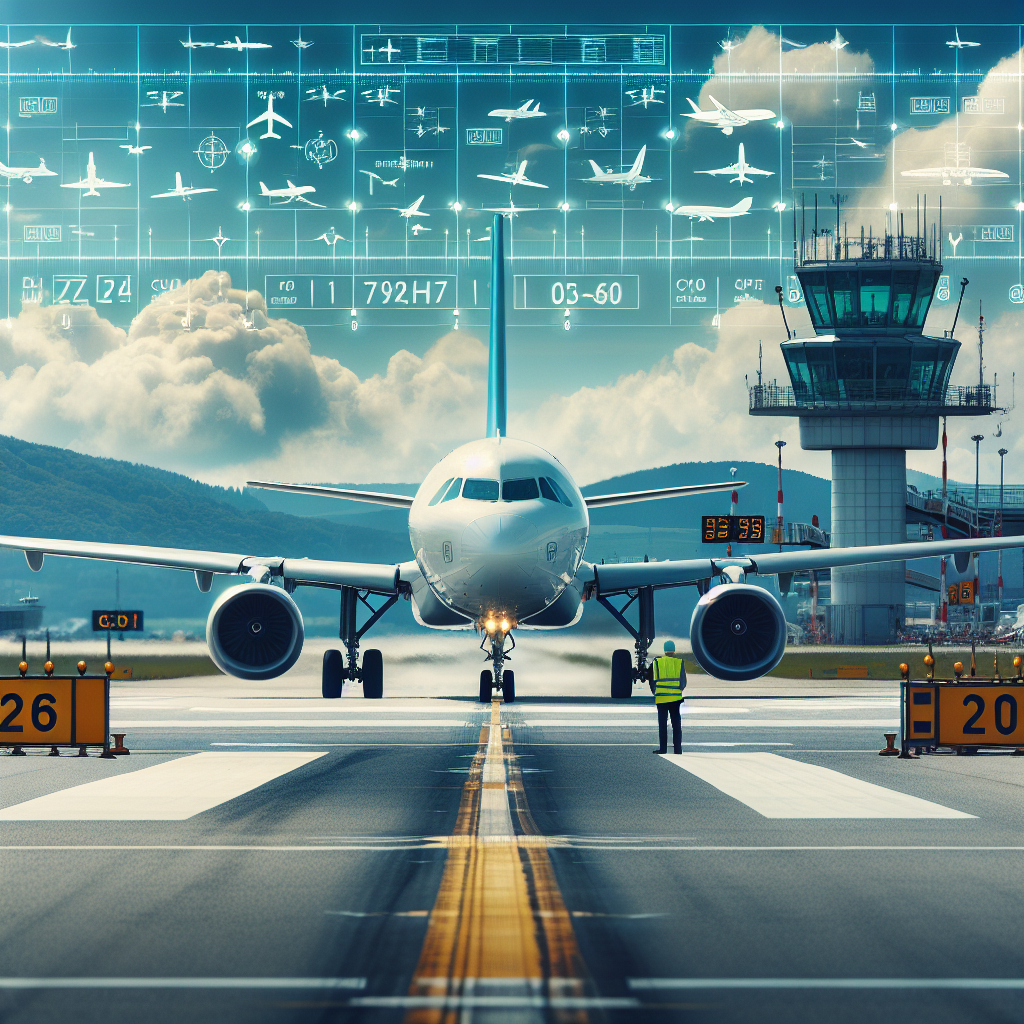
Ever found yourself sitting in an airplane, puzzled as to why these colossal flying machines seem to crawl at a snail’s pace on the ground? It’s quite amusing when you consider that these giant metal birds can soar through the sky at speeds exceeding 500 mph, yet taxi at a mere 20 to 30 knots (approximately 23 to 35 mph). This speed is often slower than your neighborhood speed limit! In this article, we’ll explore the reasons behind slow taxi speeds and the operational protocols that govern aircraft on the ground.
The Basics of Aircraft Taxiing
Taxiing is an essential phase of flight where aircraft move on the ground before takeoff or after landing. The primary reasons for maintaining slow taxi speeds include:
- Safety: Slower speeds reduce the risk of accidents, particularly in congested airport environments.
- Fuel Efficiency: Pilots often use minimal thrust to conserve fuel during taxiing.
- Equipment Protection: Limiting speed helps prevent overheating of tires and brakes, particularly during quick turnarounds.
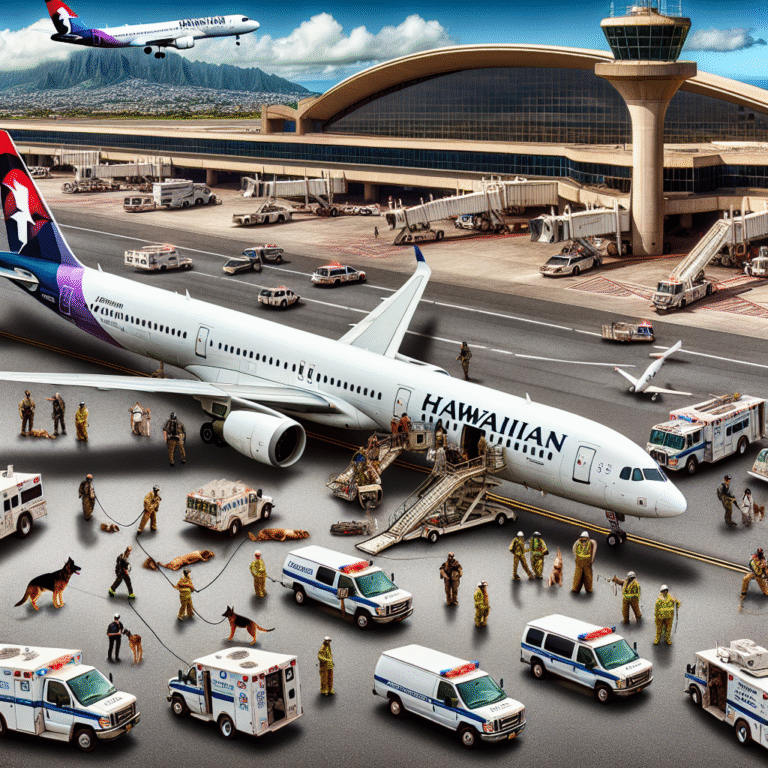
Despite its reputation for efficiency, Southwest Airlines (WN) adheres to these same ground-speed protocols. According to Boeing 737 First Officer Morgan Smith, all airlines follow the “30 knots or less” guideline.
Understanding Aircraft Ground Controls
The Role of the Tiller
The tiller, located mainly on the captain’s side in narrow-body aircraft, directs the nosewheel and allows for precise steering, especially during tight maneuvers. In widebody aircraft, tillers are available on both sides, but pilots are usually instructed not to use them above specific speeds, typically between 20 and 30 knots.
Importance of Rudder Control
The rudder, situated on the vertical stabilizer’s trailing edge, helps steer the aircraft. When activated, airflow pushes the tail in the opposite direction, guiding the nose toward the desired path, much like a car’s steering system.
How Operational Factors Affect Taxiing
Taxi Time Impact on On-Time Performance
According to Cirium aviation analytics, Southwest’s 737 aircraft typically operate three to four shorter flights daily, which means pilots often spend more time taxiing compared to those on long-haul routes. Efficient ground movement is crucial for maintaining schedules, especially for shorter flights where quick taxiing can compensate for delays.
While Southwest pilots frequently approach taxi speeds near the 30-knot limit, legacy carriers often taxi at more moderate speeds due to longer turnaround times.
Narrowbody vs. Widebody Taxi Operations
Widebody aircraft tend to taxi more slowly than their narrowbody counterparts. Key factors include:
- Size and Weight: The larger size and weight of widebody jets necessitate cautious maneuvering.
- Tire Considerations: Larger tires can overheat during high-speed taxiing, especially at major airports with lengthy taxi routes.
Key Environmental Factors Affecting Taxi Speed
Weather Conditions
In adverse weather, pilots must further reduce taxi speeds to maintain safety. For instance, during snow or ice conditions, speeds may drop to 10 knots or less to prevent skidding, particularly when turning. Airlines often mandate the use of both engines in wet conditions for better control.
Airport Regulations
Different airports may impose specific taxi speed limits for certain taxiways, communicated through Notices to Air Missions (NOTAMs). These restrictions can be due to uneven surfaces, construction activities, or other operational concerns.
Conclusion: Understanding Aircraft Taxi Dynamics
In summary, while many pilots adhere to the standard taxi speed of 30 knots, factors such as weather, aircraft size, and airport rules can necessitate slower speeds. So next time you find yourself inching toward the runway, remember that your pilot is not delaying your flight intentionally – they are following essential safety protocols.
Want to learn more about aviation operations or ground protocols? Share your thoughts below or check out our related articles for a deeper dive into the world of aviation!