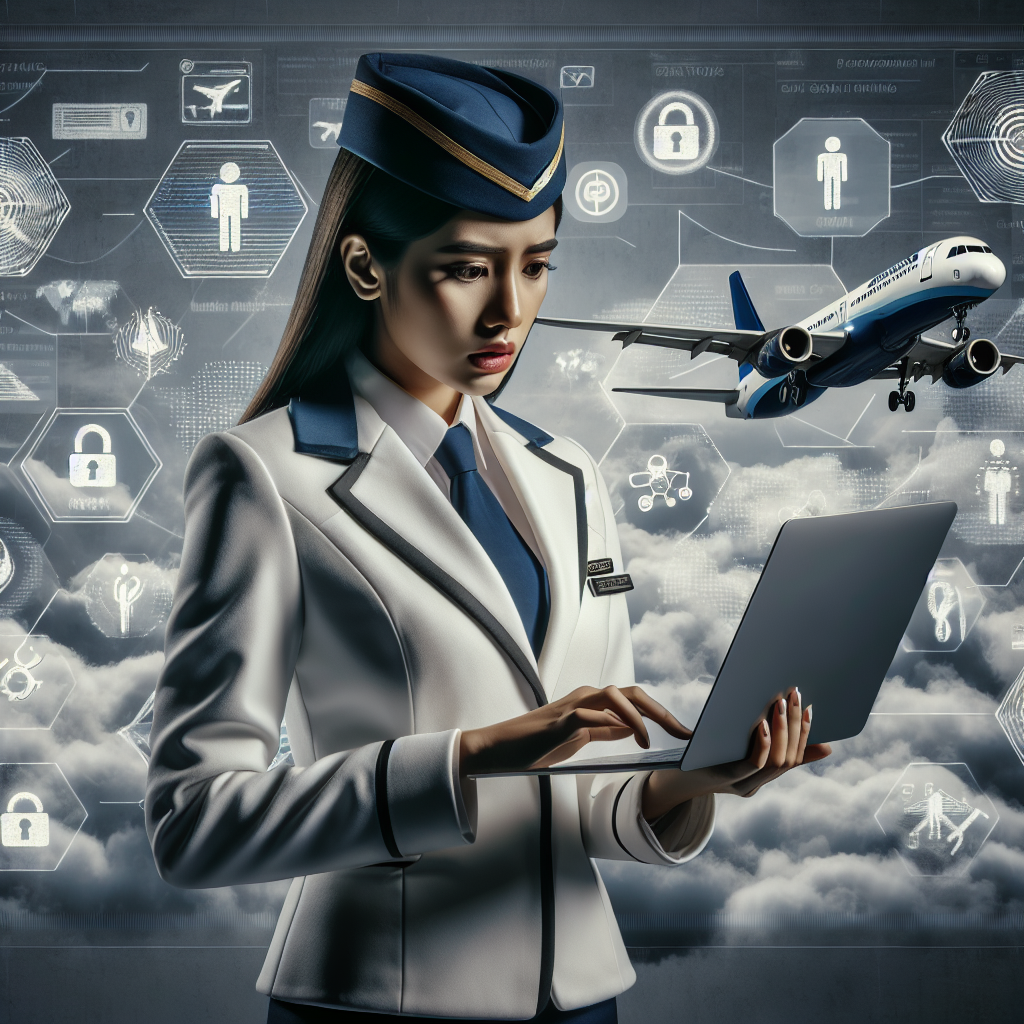
Fake Websites Target United Airlines Flight Attendants’ Salaries

United Airlines Flight Attendants Targeted by Cybercriminals: A Growing Threat
CHICAGO—United Airlines (UA) is sounding the alarm for its flight attendants about a rising cyber threat. Cybercriminals are increasingly targeting employees with fraudulent websites designed to steal login credentials and redirect paychecks. This alarming trend poses significant risks, not only to personal finances but also to sensitive accounts such as Flexible Spending Accounts (FSA) and Health Savings Accounts (HSA).
As these attacks become more sophisticated, it is crucial for United flight attendants to stay informed and vigilant. The Association of Flight Attendants (AFA-CWA) is actively warning its members about these threats, emphasizing the importance of safeguarding their financial information.
The Rise of Fake Websites Targeting United Airlines Employees
Cybercriminals are deploying counterfeit websites that closely mimic United Airlines’ official employee portals. These fraudulent sites exploit the trust of flight attendants, prompting them to enter their login details.
- Mimicking Legitimate Sites: The fake websites are designed to look almost identical to the real platforms, making them difficult to distinguish.
- Search Engine Manipulation: Many of these scams appear in search engine results, sometimes ranking higher than legitimate sites, which increases the likelihood of unsuspecting users clicking on them.
Once attackers have acquired login details, they can access sensitive systems, allowing them to alter payroll settings and redirect paychecks to their own accounts. According to PYOK, the implications extend beyond paychecks, threatening valuable employee benefits, including FSAs and HSAs, which may hold significant funds.
Understanding Phishing Scams and Their Dangers
The phishing scam process typically begins with a deceptive website that lures users into entering their usernames and passwords. Here’s how it generally works:
- Fake Website Prompt: Users are directed to a site that looks almost identical to United’s internal systems.
- Credential Theft: Once login information is entered, attackers can exploit the stolen data to access genuine accounts and modify payroll settings.
- Limited Awareness: Victims may only realize they’ve been duped when the fake site fails to load properly, but by then, the damage may already be done.
In response to these growing threats, United Airlines has implemented two-factor authentication (2FA) to enhance security. However, the AFA-CWA cautions that employees should meticulously review 2FA requests, as blindly approving them could grant attackers access to compromised accounts.
How to Identify and Avoid Fake Websites
To protect themselves from these cyber threats, United Airlines employees should be aware of the following tips:
- Check the URL: Look for misspellings or unusual domain extensions.
- Use Bookmarked Links: Access sensitive portals through saved or company-provided links.
- Verify Security Certificates: Ensure that legitimate sites display HTTPS and a padlock icon.
- Avoid Reliance on Search Engines: Cybercriminals often manipulate SEO to push fake sites to the top of search results.
The AFA-CWA emphasizes that awareness is the first line of defense, urging employees to report any suspicious activity immediately.
Conclusion: Staying Vigilant Against Cyber Threats
While United Airlines flight attendants are currently the primary targets, similar scams are prevalent throughout the airline industry. As hackers continue to exploit vulnerabilities in digital security, it’s essential for employees to remain educated and aware of potential threats.
The AFA-CWA reminds all staff that recognizing their status as potential targets is crucial for protecting their financial information. By adopting cautious access habits and secure login methods, they can fortify their defenses against digital threats.
For more insights on protecting your financial data and identifying cyber threats, check out our related articles and share your thoughts in the comments below!