American Airlines Loses Paralyzed Man’s Wheelchair in Hawaii

American Airlines Mishandles Wheelchair, Sparks Outrage Among Disabled Travelers
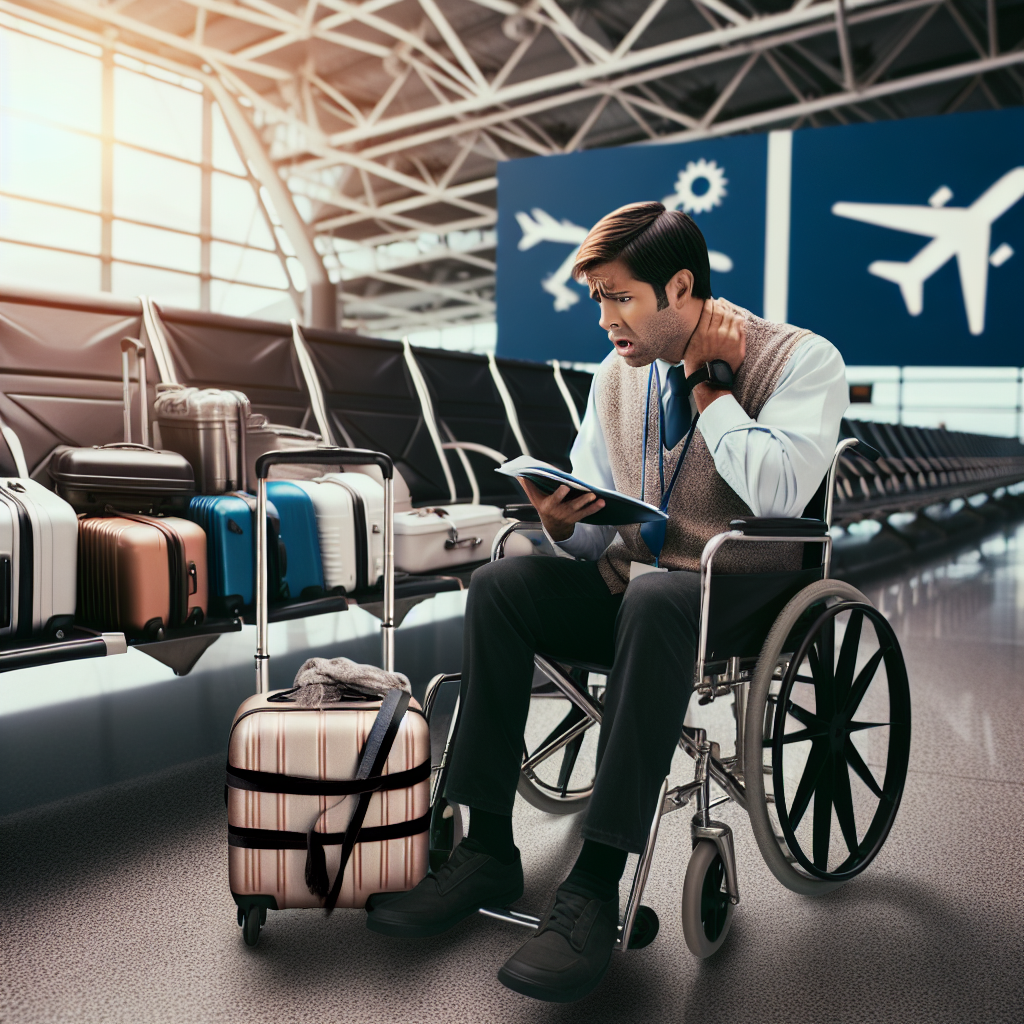
In a troubling incident that highlights ongoing issues in airline accessibility, American Airlines mishandled a wheelchair belonging to a paralyzed Arizona man, Sam Shivers, during his return flight from Hawaii to Phoenix Sky Harbor International Airport (PHX). Shivers, who relies on his mobility device for independence, discovered upon landing that his wheelchair had been mistakenly sent to Los Angeles International Airport (LAX). This unfortunate event has ignited criticism of the airline’s handling of essential mobility equipment, raising important questions about the treatment of passengers with disabilities.
The incident took place on March 26, after Shivers and his wife, Anne, wrapped up a week-long Hawaiian vacation. Upon arrival in Phoenix, the couple learned that his wheelchair was missing, leaving him stranded and unable to move independently. Reports indicate that American Airlines prioritized other luggage over critical mobility aids during the flight from Kona International Airport (KOA).
The Incident: A Distressing Experience for Shivers
On March 26, after checking in his wheelchair at Kona International Airport, Shivers expected a smooth journey home. Instead, he faced a distressing situation when he found that his essential mobility device had not made it onto the flight. According to Shivers, other passengers’ luggage was loaded instead of vital mobility equipment due to limited cargo space.
- Key Details of the Incident:
- Shivers’ wheelchair was redirected to LAX, leaving him without access to his primary means of movement.
- Along with his wheelchair, other essential items, including a baby stroller, were also left behind.
- Shivers expressed willingness to forgo his luggage in favor of keeping his wheelchair on board.
This incident is not an isolated case. It underscores a broader issue within the airline industry where assistive devices can be deprioritized, leaving passengers with disabilities in vulnerable situations.
American Airlines’ Response to the Situation
In response to the incident, American Airlines offered Shivers a hotel room for the night, which he declined due to his mobility challenges. Eventually, he was assisted to his van by a Passenger Wheelchair Assistant and used a spare wheelchair at home. Although the airline later provided him with 10,000 frequent flyer points, Shivers felt this gesture failed to adequately address the gravity of his experience.
Shivers has taken steps to advocate for change, filing a formal complaint with the U.S. Department of Transportation (DoT). The DoT mandates that airlines ensure assistive devices are returned in a timely manner and in the same condition. However, Shivers’ experience raises concerns about the enforcement of these regulations.
The Importance of Proper Handling of Mobility Equipment
For individuals like Shivers, a wheelchair is not just a convenience; it is essential for maintaining independence and dignity. As he emphasized in a social media post, “This isn’t optional equipment. It is the only way we paraplegics have to get from place to place.” This incident casts light on the broader challenges disabled travelers face, despite airlines’ claims of improving accessibility.
Shivers’ experience follows other notable incidents involving disabled travelers, such as a recent case where another passenger was removed from a flight for being unable to walk to the restroom. These instances highlight the urgent need for airlines to prioritize the handling of mobility equipment.
Advocacy and Future Reforms
Determined to hold American Airlines accountable, Shivers aims to advocate for all disabled passengers. “I want my chair to arrive on time, with my flight,” he stated during a recent interview. His complaint to the DoT seeks to inspire policy changes that guarantee mobility devices are never overlooked.
Advocacy groups and affected passengers are calling for clearer regulations and penalties for airlines that fail to comply. They emphasize the importance of training programs focused on empathy and awareness, which could prevent decisions that leave disabled passengers stranded.
As air travel continues to evolve, ensuring accessibility for all passengers is essential for maintaining dignity and independence.
For more insights into the challenges faced by disabled travelers and the importance of advocacy in the airline industry, consider reading our related articles on travel accessibility and passenger rights. We welcome your thoughts on this pressing issue in the comments below.