Retro Jets: Iconic Airline Liveries Are Back!

Title: The Evolution of Airline Liveries: Exploring the Retrojet Trend in Modern Aviation
Introduction
Airline liveries have undergone a remarkable transformation over the decades. From simple color splashes on bare metal fuselages to intricate, eye-catching designs, the journey of aircraft paint schemes has evolved significantly. Today, the resurgence of nostalgic liveries, commonly referred to as "retrojets," is captivating the aviation world. This article delves into the evolution of airline liveries and the growing popularity of retrojets, revealing how airlines are bringing back classic designs to evoke a sense of nostalgia among travelers.
The Evolution of Airline Liveries
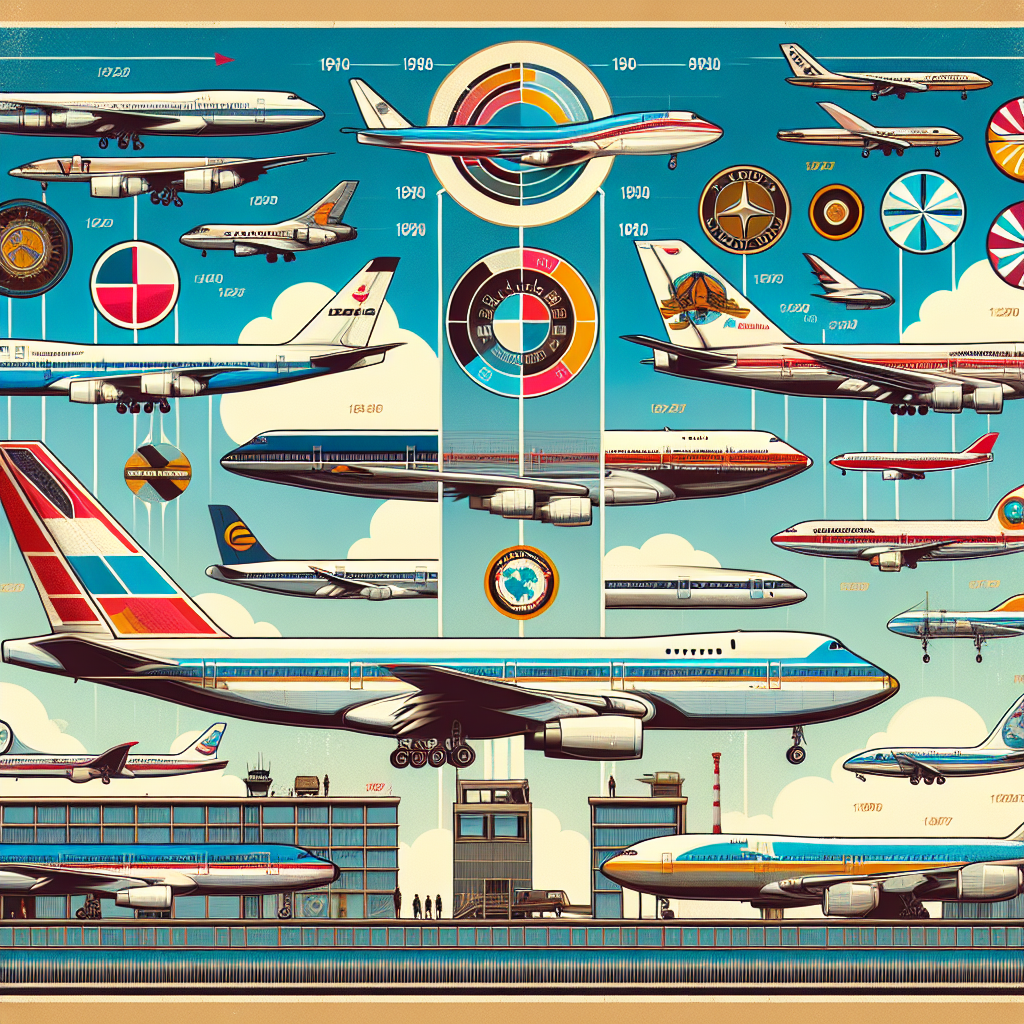
Airlines have always used unique liveries to establish their brand identity and stand out in a competitive market. However, the journey of airline liveries has not always been an artistic endeavor. In the early days of aviation, from the 1920s through World War II, liveries were simplistic, often featuring only the airline name and registration numbers.
Key developments in airline livery history include:
- 1920s-1940s: Basic designs with minimal color to prevent corrosion.
- 1970s-1980s: The introduction of cheatlines, decorative stripes that enhanced aerodynamics and aesthetics.
- 1990s-2000s: The rise of vibrant colors and the "Eurowhite" trend, where airlines opted for predominantly white fuselages with colorful accents.
- 2010s-Present: The emergence of "billboard" lettering and innovative paint technologies, allowing for more creative freedom.
With advancements in painting techniques and the use of decals, the future of airline livery design appears promising.
The Rise of Retrojet Liveries
The retrojet trend began gaining traction in the late 20th century, as airlines sought to celebrate their legacies and connect with passengers through nostalgia. By reintroducing vintage color schemes, airlines leverage this emotional connection to enhance their marketing efforts.
Notable aspects of the retrojet phenomenon include:
- Nostalgic Marketing: Airlines use retrojets for publicity, often showcasing these designs on social media to attract attention.
- Cost-Effective Repaints: Airlines can refresh their fleet with retro liveries during scheduled repaints, avoiding downtime.
- Global Adoption: Airlines worldwide are incorporating retro liveries into their fleets, from regional carriers to major airlines.
Highlighting Iconic Retrojet Liveries
Across the globe, numerous airlines have embraced the retrojet trend. Here are some notable examples:
-
North America:
- Air Canada: Features a retro livery reminiscent of Trans Canada Air Lines from the 1950s.
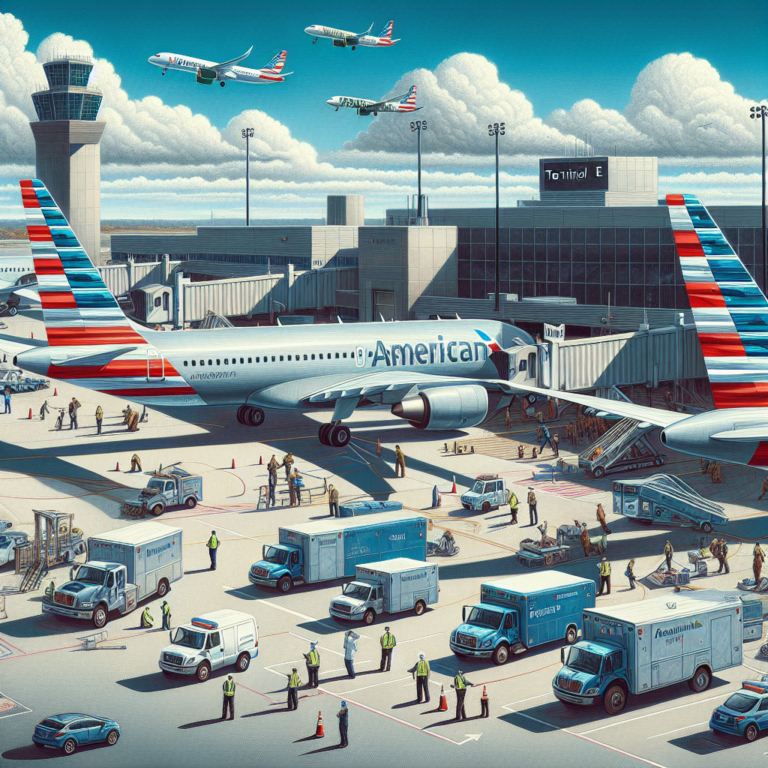
- American Airlines: Showcases various retro designs, including the ‘Astrojet’ silver scheme from the 1950s.
-
South America:
- Avianca: Honors its heritage by painting aircraft in the colors of former merged airlines.
- Aerolineas Argentinas: Showcases a 1980s-era color scheme on its Boeing 737-700.
-
Europe:
- British Airways: Celebrated its history with multiple retro designs, including the 1970s BOAC scheme.
- Lufthansa: Operates two Airbus A321s featuring 1960s-era liveries.
- Asia and Australasia:
- Garuda Indonesia: Displays vintage liveries on several aircraft, celebrating its history.
- Qantas: Features the ‘Retro Roo II’ scheme, representing its early jet age designs.
Conclusion
The retrojet phenomenon has breathed new life into airline liveries, allowing carriers to connect with passengers through nostalgic designs. As the trend continues to grow, we can expect to see more airlines embracing their history and painting their aircraft in vintage schemes. Whether you love the classic designs or have a favorite retrojet, the charm of these liveries is undeniable.
Call to Action
What are your thoughts on the resurgence of retro airline liveries? Share your favorite designs in the comments below or explore more articles about the fascinating world of aviation trends!
For more insights on airline history and trends, check out our related articles on airline branding and the evolution of passenger aircraft.