Riyadh Air Seeks New Boeing Jets Stalled by China

Riyadh Air Eyes Boeing Jets Amid U.S.-China Trade Tensions
DUBAI – Riyadh Air (RX), backed by Saudi Arabia’s Public Investment Fund, has set its sights on acquiring Boeing jets that were originally destined for Chinese airlines but are now available due to escalating U.S.-China trade tensions. The airline’s CEO, Tony Douglas, expressed strong interest in these aircraft during a recent interview, stating, “What we’ve done is made it quite clear to Boeing, should that ever happen, we’ll happily take them all.”
Boeing has recently repatriated a third jet to the United States and is actively seeking buyers for dozens of aircraft impacted by Chinese tariffs. This scenario highlights the shifting dynamics in the aviation market and the opportunities arising from it.
Boeing Aircraft Redistribution: A Market Shift
Boeing has acknowledged the potential for aircraft redistribution during a recent analyst call, emphasizing the robust demand within the current tight jet market. Similarly, Air India (AI) has initiated discussions with Boeing to acquire approximately 10 737 MAX jets that were initially intended for Chinese carriers.
Riyadh Air (RX) is not expecting a quick resolution to the delivery delays plaguing major aircraft manufacturers. The airline aims to commence operations in the fourth quarter of 2025, with ambitious plans to serve 100 destinations by 2030. According to Osamah Alnuaiser, Senior Vice President of Marketing and Corporate Communication, “We aim to add 25 new destinations yearly if we maintain a proper growth trajectory.”
Operations Timeline and Fleet Expansion
The airline anticipates announcing its initial routes by the end of summer, although this timeline is contingent upon aircraft deliveries. Riyadh Air has placed firm orders for 72 Boeing 787 Dreamliners and 60 Airbus A321 family aircraft, totaling 132 planes.
Despite facing industry-wide manufacturing and supply chain challenges, Riyadh Air (RX) is maintaining close coordination with Boeing. Teams from the airline regularly visit Boeing’s Charleston facilities to monitor the production of their first aircraft.
Growth Strategy: Preparing for Takeoff
“We are ready to operate. Once we receive that first aircraft, the sky is the limit,” Alnuaiser remarked. The airline’s operational readiness hinges on confidence in fleet availability and human resources. Riyadh Air has already hired nearly 500 employees, with plans to expand its workforce to 1,000 within the next year, recognizing the UAE as a crucial market within the Gulf Cooperation Council.
Future Plans: Building Connectivity
Airline partnerships are pivotal to Riyadh Air’s strategy for expanding its network reach. The carrier has formed alliances with Delta (DL), Singapore Airlines (SQ), Turkish Airlines (TK), China Eastern (MU), and Air China (CA) to enhance connectivity for passengers beyond its direct routes.
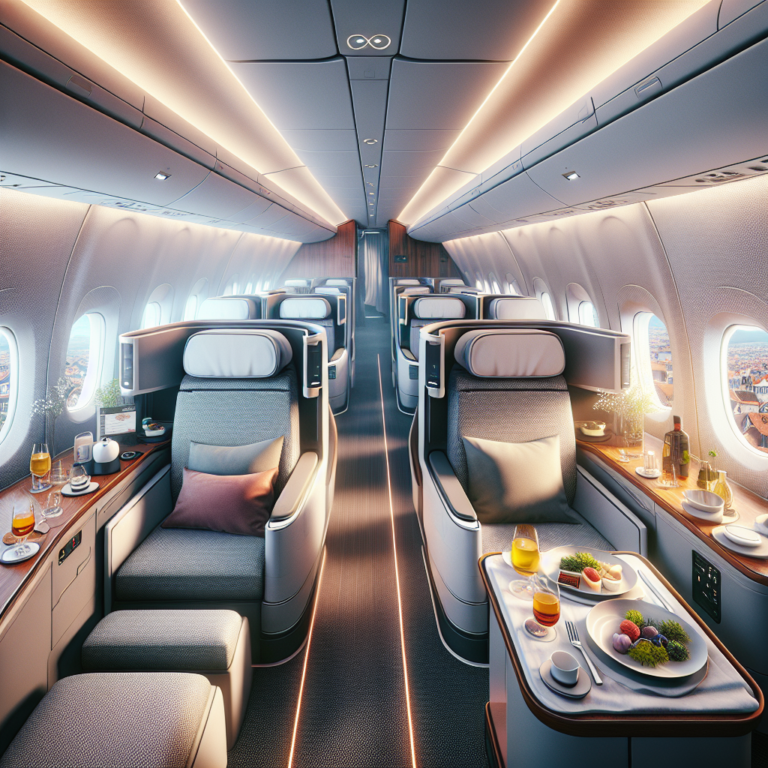
As Riyadh Air prepares for its anticipated launch, it plans to unveil further details about its passenger experience in the coming months. This will include information on food and beverage offerings, wellness programs, and in-flight entertainment options.
In conclusion, Riyadh Air’s strategic maneuvers amid the evolving aviation landscape showcase its commitment to growth and innovation. For more updates on Riyadh Air and the aviation industry, stay tuned to our latest articles and share your thoughts in the comments below.