Delta Flight to Atlanta Takes Unexpected U-Turn to Jacksonville

Delta Flight Returns to Jacksonville Due to Mechanical Issue: Safety Comes First
ATLANTA – A recent incident involving Delta Air Lines (DL) has highlighted the airline’s commitment to passenger safety. Delta Flight 1329, a Boeing 757, was forced to return to Jacksonville International Airport (JAX) shortly after takeoff en route to Hartsfield-Jackson Atlanta International Airport (ATL) due to a mid-air mechanical issue with the aircraft’s flaps.
On April 30, 2025, Flight 1329 departed from Jacksonville when the crew noticed a potential malfunction with the plane’s flaps, essential components for maintaining lift and stability during flight. Adhering to strict safety protocols, the flight crew made the prudent decision to turn back to Jacksonville, ensuring the safety of the 176 passengers on board.
Delta Flight 1329’s Safe Return
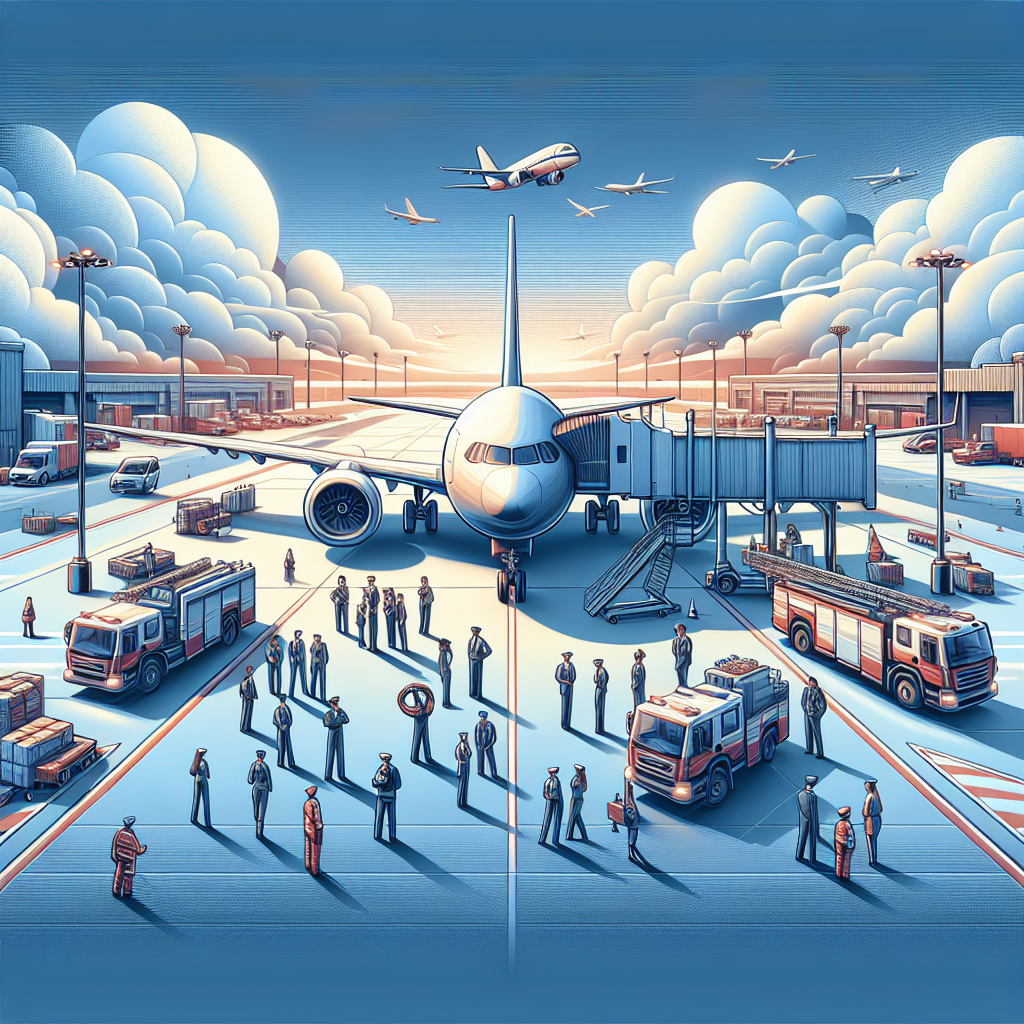
After the crew detected the flap issue, Delta Air Lines prioritized safety by opting to land back at JAX. The aircraft landed without incident and taxied to the gate, where emergency services, including fire trucks, were on standby as a precautionary measure, though no emergency was declared.
Delta communicated its commitment to safety, stating, “Nothing is more important than the safety of our customers and people.” The airline later apologized for the inconvenience and confirmed that technicians would inspect the aircraft to diagnose the flap problem.
Impact on Passengers
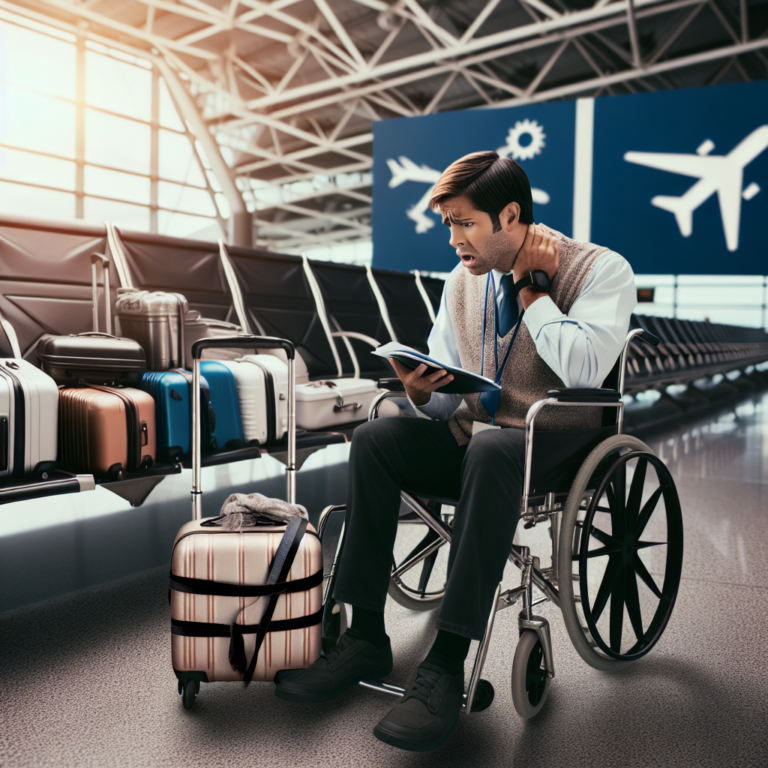
The 176 passengers aboard Flight 1329 faced a delay of several hours. Delta arranged for a replacement Boeing 757-200 to complete the journey, demonstrating its operational efficiency. The original aircraft remained in Jacksonville for a thorough inspection, which can take hours or even days depending on the complexity of the issue.
While the delay was inconvenient, it underscores the aviation industry’s dedication to safety, where even minor mechanical anomalies warrant a rigorous response. Passengers may also be eligible for compensation under U.S. regulations, depending on the specifics of the delay, although Delta has not yet detailed any remedies for this situation.
Understanding the Aviation Safety Protocols
Incidents like these, while statistically rare, remind travelers of the aviation industry’s commitment to safety. Hartsfield-Jackson Atlanta International Airport (ATL), known as the busiest airport in the world, manages thousands of flights daily. Delta’s ability to swiftly rebook passengers demonstrates its extensive resources and operational scale, but repeated mechanical issues could affect public perception, even if safety remains uncompromised.
Similar Incident: American Airlines
In a comparable incident on January 7, 2025, an American Airlines (AA) Boeing 787-8 Dreamliner faced technical issues shortly after departing from Amsterdam Airport Schiphol (AMS) for Philadelphia International Airport (PHL). The flight crew detected a flap-related problem and requested to maintain a lower altitude before safely returning to Amsterdam. This highlights the complexities involved in resolving technical issues in modern aircraft.
For more details on travel safety and what to expect during your journey, consider reading our articles on airline safety protocols and passenger rights during delays.
Conclusion
Delta Air Lines’ recent incident with Flight 1329 serves as a reminder of the importance of safety in air travel. If you have thoughts or experiences related to flight delays or airline safety, feel free to share them in the comments below. For more updates on aviation news, stay tuned to our site for related articles.