JetBlue Flight Attendants Fail Drug Tests

JetBlue Flight Attendants Face Rising Challenges with Drug Tests: Understanding the Implications
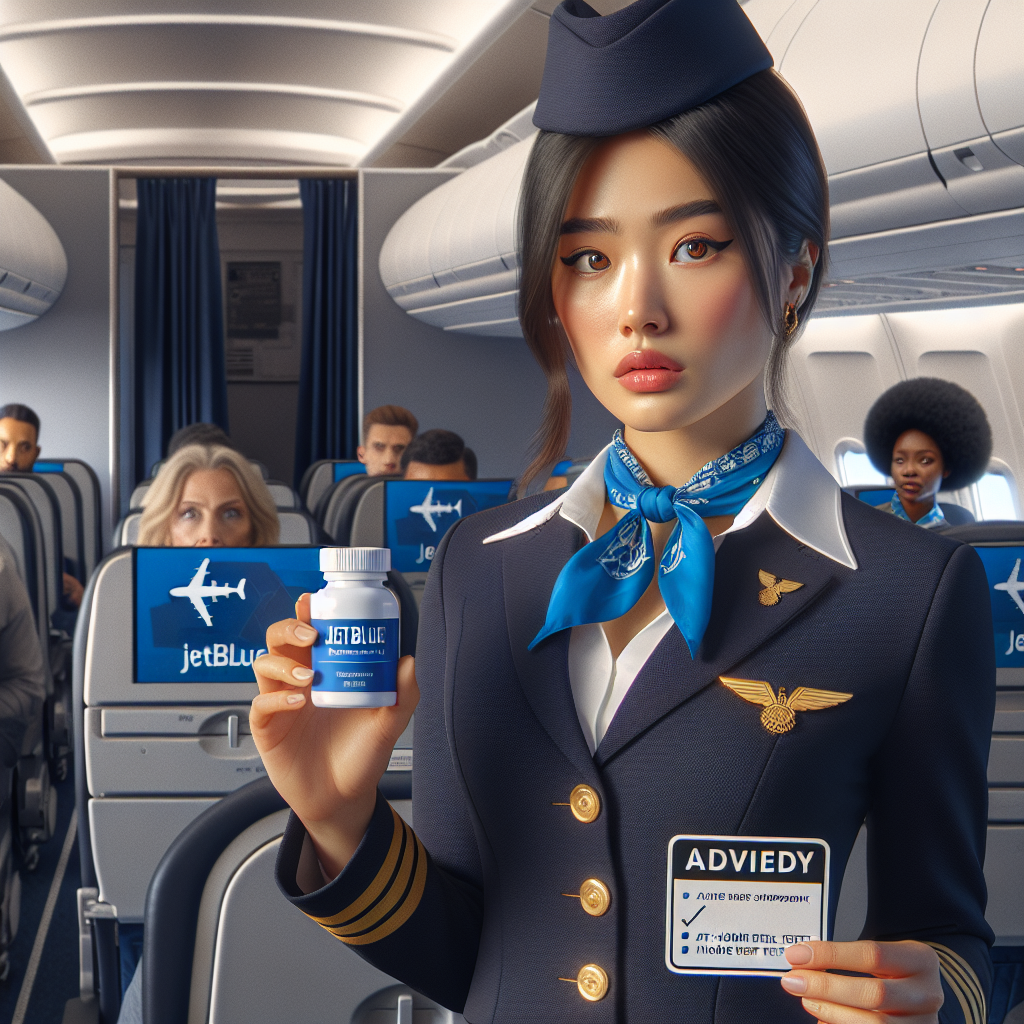
JetBlue Airways (B6) is currently grappling with a significant increase in the number of flight attendants failing federally mandated drug and alcohol tests. This alarming trend raises operational and disciplinary concerns within the airline industry. With a strict zero-tolerance policy in place, JetBlue is under pressure to address the implications of these test failures, which may stem from the use of legal products like CBD.
Rise in Drug Test Failures Among JetBlue Flight Attendants
Recent reports indicate that JetBlue is experiencing a concerning spike in flight attendants failing random drug and alcohol screenings. According to the Transport Workers Union (TWU), some of these positive results may arise from accidental ingestion of banned substances found in legally available products, such as CBD oil and over-the-counter medications.
Under Federal Aviation Administration (FAA) regulations, airlines are required to conduct random testing for aviation professionals in safety-sensitive roles. Currently, this involves testing 25% of flight attendants for drugs and 10% for alcohol annually. Even trace amounts of tetrahydrocannabinol (THC), the active compound in marijuana, can lead to termination under JetBlue’s strict zero-tolerance policy.
Understanding JetBlue’s Zero-Tolerance Policy
JetBlue’s zero-tolerance policy regarding drug and alcohol test failures leaves little room for leniency. A positive test result, even from legal substances like CBD products, results in immediate termination, disregarding the context of the failure. However, the TWU advises that self-disclosure of substance use before being selected for a random test might allow employees to retain their positions. Once notified of a test, self-disclosure is no longer an option, resulting in severe consequences if the test is failed.
If a flight attendant fails a drug test, they must be referred to a substance abuse program. Whether or not they are allowed to return to work after completing the program depends on JetBlue’s internal policies. Unlike some airlines that may offer second chances, JetBlue’s stringent approach underscores the high stakes for flight attendants navigating these regulations.
The Risks of Legal CBD Products
The TWU has raised concerns that even legal CBD products, which are non-psychoactive, could still result in positive THC tests. Although marketed as safe, the use of these items has led to disciplinary actions in the aviation industry. For instance, United Airlines (UA) issued warnings to its crew members in 2023 about the risks associated with CBD-infused edibles, beverages, and topical products like lotions. Similarly, American Airlines (AA) cautioned its flight attendants about common cold medications like NyQuil, which contains alcohol and could lead to failed alcohol tests.
These examples illustrate how legal substances can inadvertently jeopardize the careers of aviation professionals.
FAA Regulations and Global Testing Standards
The FAA enforces one of the most rigorous testing programs worldwide. A failed drug or alcohol test requires mandatory referral to a substance abuse program, but each airline, including JetBlue, has the discretion to decide on reinstatement post-treatment. Notably, JetBlue’s policy typically does not permit reinstatement unless the crew member proactively self-discloses a substance issue before being selected for testing.
Globally, other countries are adopting similar stringent practices. For example, since February 2021, European Union regulations have mandated random alcohol testing for aircrew. In a notable incident, Dutch authorities tested 445 flight crew members at Amsterdam Schiphol (AMS) within a short period, removing two Delta Air Lines (DL) flight attendants from a flight due to positive results.
Responsibilities of Flight Crew Members
In light of these challenges, the TWU has urged JetBlue flight attendants to remain vigilant. A recent memo emphasized the importance of peer accountability, encouraging crew members to look out for one another and speak up if they notice potential risks.
Education regarding ingredient labels, an understanding of FAA testing guidelines, and a proactive approach to avoiding substances that may contain THC or alcohol—even in trace amounts—are becoming essential responsibilities for flight attendants.
As the aviation industry navigates these complexities, it’s crucial for flight attendants to stay informed and cautious about the substances they consume. For more insights on aviation safety and regulations, feel free to share your thoughts or read related articles on our site.