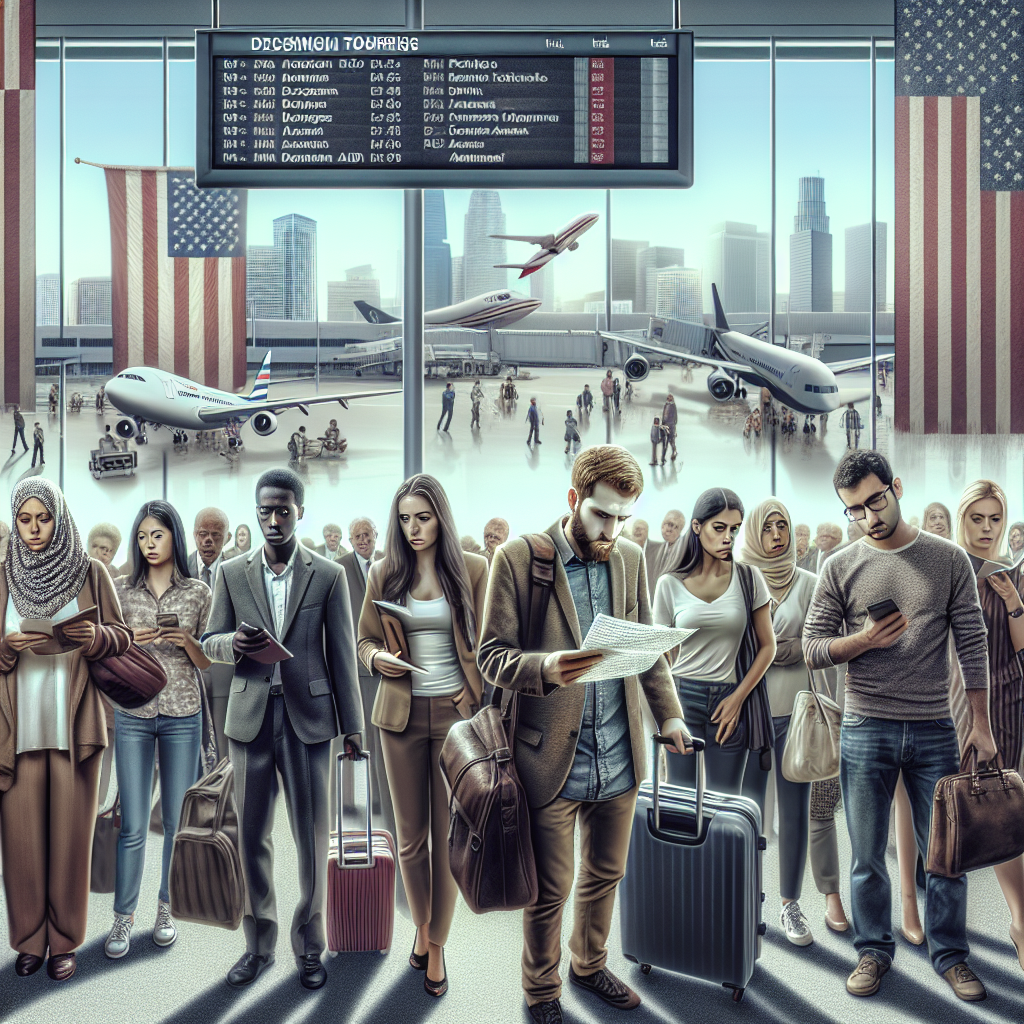
$12.5B Tourism Hit for World’s Largest Economy by 2025

US Tourism Revenue Decline: A $12.5 Billion Loss Predicted for 2025
In a startling revelation, the United States is projected to face a significant loss in foreign tourism revenue, estimated at approximately $12.5 billion in 2025. This alarming trend, highlighted in a recent report by the World Travel and Tourism Council (WTTC) in collaboration with Oxford Economics, positions the U.S. as the only major destination expected to see a decline in international visitors this year.
US Tourism Decline: Key Findings
The WTTC’s analysis indicates that spending by international tourists in the U.S. is set to plummet to $181 billion, reflecting a staggering 22.5% drop from the peak levels recorded a decade ago. This decline is not merely a statistic; it poses a serious threat to the U.S. economy, impacting communities, jobs, and businesses nationwide.
Historically, tourism has been a vital economic driver for the United States. In 2024 alone, the tourism sector contributed $2.6 trillion to the national economy and supported over 20 million jobs across various industries. Additionally, tourism-related activities generated more than $585 billion in tax revenue, accounting for nearly 7% of the country’s total tax income.
Call for Government Action to Revitalize US Tourism
WTTC President Julia Simpson stresses the urgent need for government intervention to revive tourism growth. "While other nations are rolling out the welcome mat, the U.S. government is putting up the ‘closed’ sign," she stated, highlighting the stark contrast between the U.S. and other countries actively promoting tourism.
Political factors are believed to play a significant role in this decline. Policies implemented during the Trump administration, including a focus on illegal immigration and tariffs on foreign goods, have reportedly deterred international travelers. These measures have led to consumer boycotts of American products and heightened concerns about traveling to the U.S.
Traveler Apprehension: A Growing Concern
In an interview with the New York Times, Simpson revealed that potential visitors are increasingly apprehensive about traveling to the United States. "There are concerns over visas—whether they’ve got the right visa or might accidentally get arrested, which has made people quite fearful," she noted.
Data from the U.S. Department of Commerce showcases troubling trends, with visitor arrivals from key markets showing significant decreases. The United Kingdom and South Korea have both seen nearly 15% declines, while Germany, Ireland, and Spain have faced even steeper drops exceeding 20%. Additionally, early summer bookings from Canada have plummeted by 20%.
Concerning Trend: The Need for Immediate Attention
The WTTC categorizes this downturn as more than a mere dip in tourism; it serves as a critical warning signal that necessitates immediate attention. "The U.S. is welcoming fewer visitors from its neighbors and countries further afield, which is a clear indicator that the global appeal of the U.S. is slipping," the organization stated emphatically.
Compounding the issue, American citizens are increasingly opting to travel abroad, further straining the domestic tourism industry. This dual trend of fewer incoming visitors and more outbound American travelers creates a concerning economic imbalance for the U.S. travel sector.
As global tourism patterns continue to shift, experts suggest that restoring America’s status as a premier travel destination will require a collaborative effort between government agencies and private sector stakeholders to address policy issues and improve international perceptions.
For more insights into the evolving landscape of tourism in the U.S. and the impact of governmental policies, feel free to explore related articles on our site. We invite you to share your thoughts on the future of U.S. tourism in the comments below!