World’s Busiest Airport Set to Close by 2035

Dubai International Airport to Transition Operations to Al Maktoum International Airport in Major Expansion Plan
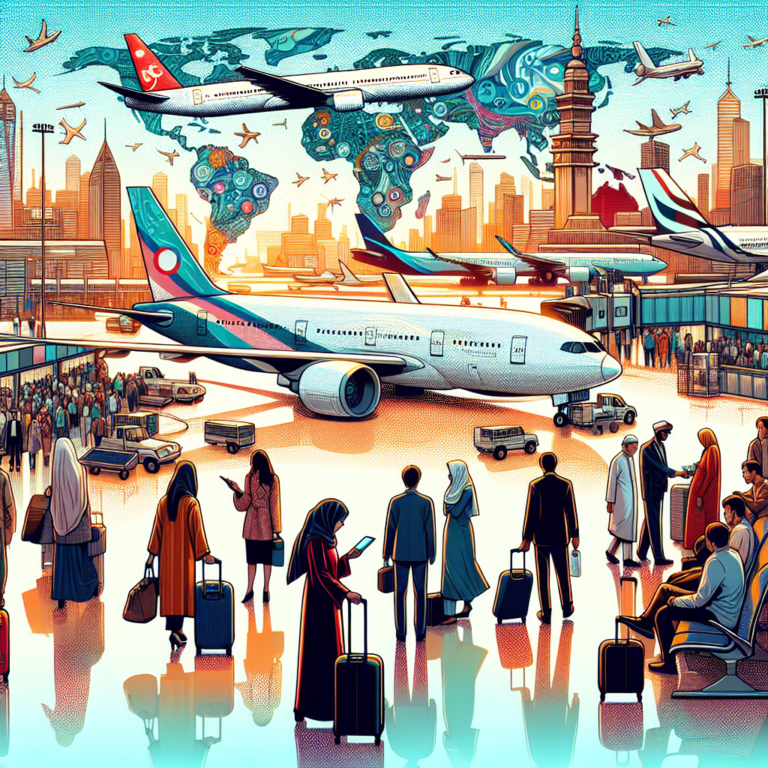
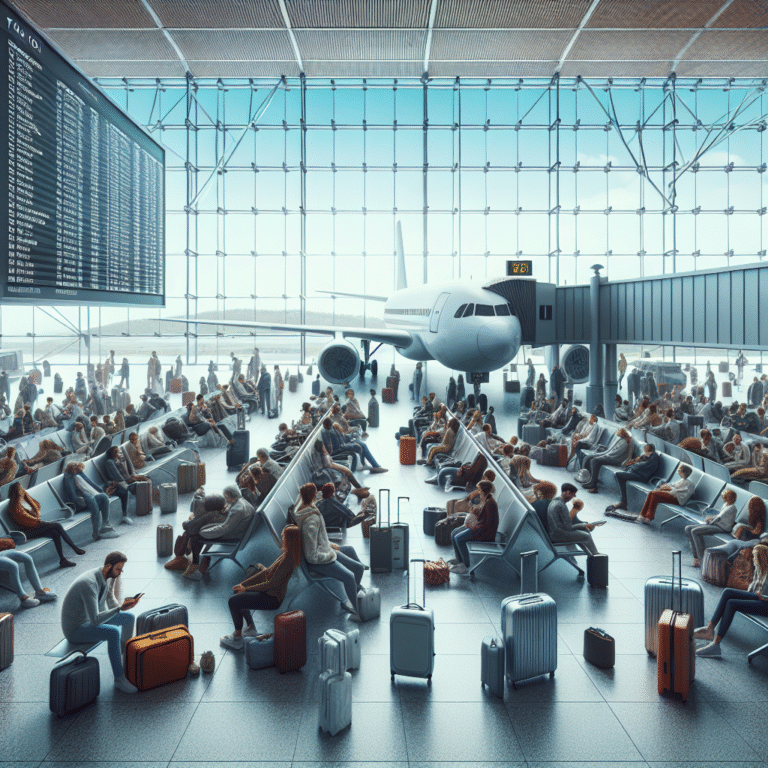
Dubai International Airport (DXB), renowned as the world’s busiest international airport, is preparing for a significant operational shift. After serving a record 92.3 million passengers in 2024, DXB will eventually close down, with all services transferring to Al Maktoum International Airport (DWC) as part of a monumental £28 billion expansion project designed to accommodate up to 260 million passengers annually.
World’s Busiest Airport to Close by 2025
Since its establishment in 1960, Dubai International Airport has played a pivotal role in global air travel, particularly for long-haul flights. DXB’s consistent high passenger volumes and robust connectivity, primarily through Emirates Airlines, have solidified its status as a central hub. However, with limited room for expansion due to surrounding highways and residential areas, the decision to transition operations to Al Maktoum International Airport marks a strategic pivot in Dubai’s aviation landscape.
Located approximately 38 miles from DXB and 22 miles from downtown Dubai, DWC opened in 2010, initially serving cargo and a small number of passenger flights. With its development, DWC is set to become the world’s largest airport, as it gradually phases out DXB operations, projected to conclude by 2050. Paul Griffiths, CEO of Dubai Airports, emphasized that operating two major airports in such proximity is not sustainable long-term.
Al Maktoum International Airport Features
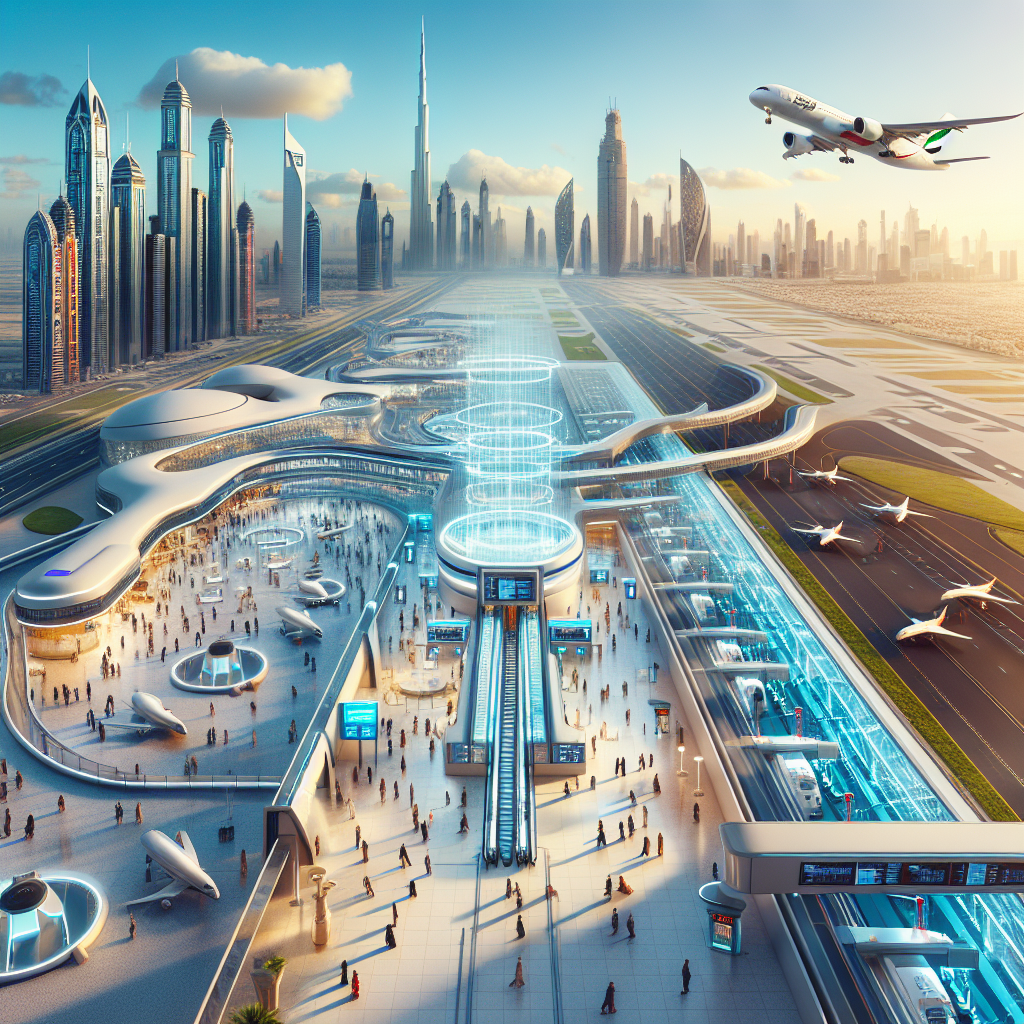
Al Maktoum International Airport is designed with passenger experience and operational efficiency in mind. The sprawling 70 sq. km facility will feature eight terminals, designed to accommodate future growth with concourses extending to optimize passenger flow.
Key features of DWC include:
- Underground Transit: An underground train system will facilitate internal transit in just 15 to 20 minutes, akin to major urban rail systems.
- Advanced Technologies: Innovations such as contactless check-in and biometric immigration will enhance the passenger experience, establishing DWC as a "technological marvel."
- Economic Impact: Proximity to Dubai South’s master-planned city will generate jobs and housing for up to one million residents, bolstering construction, tourism, and logistics sectors.
The DWC expansion project is among the most ambitious in aviation history, set to include five parallel runways and up to 400 aircraft gates, ultimately achieving a capacity of 260 million passengers per year—an unparalleled milestone.
Impact on Travelers and Airlines
For the time being, DXB will continue to serve as Dubai’s primary air travel hub, with major airlines like Emirates and British Airways maintaining their popular routes. While the transition to DWC will be gradual, with no disruptions anticipated for at least a decade, the change will have implications for global carriers that currently operate through DXB.
Travelers from the UK, who comprise a significant part of Dubai’s 6.2 million daily visitors, will need to adapt to DWC’s location, which is 45 kilometers south of the city. However, enhanced infrastructure is expected to ensure convenient access to the new airport.
This transition not only reflects Dubai’s ambition to solidify its position as a global aviation and logistics powerhouse but also aligns with broader efforts by the UAE to decentralize aviation activities in response to the rapid growth of its tourism and transport sectors.
For more insights on the future of air travel and airport expansions, check out our related articles on Dubai’s Transportation Developments and Global Airport Innovations. What are your thoughts on the transition from DXB to DWC? Share your opinions in the comments below!