Air India Replaces Newark to Delhi Flight Passengers on A350

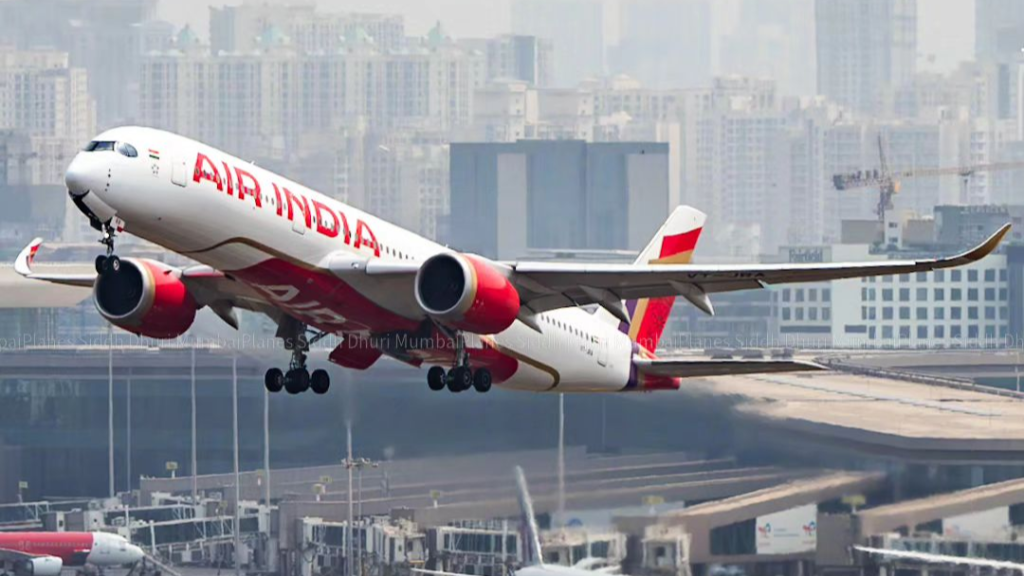
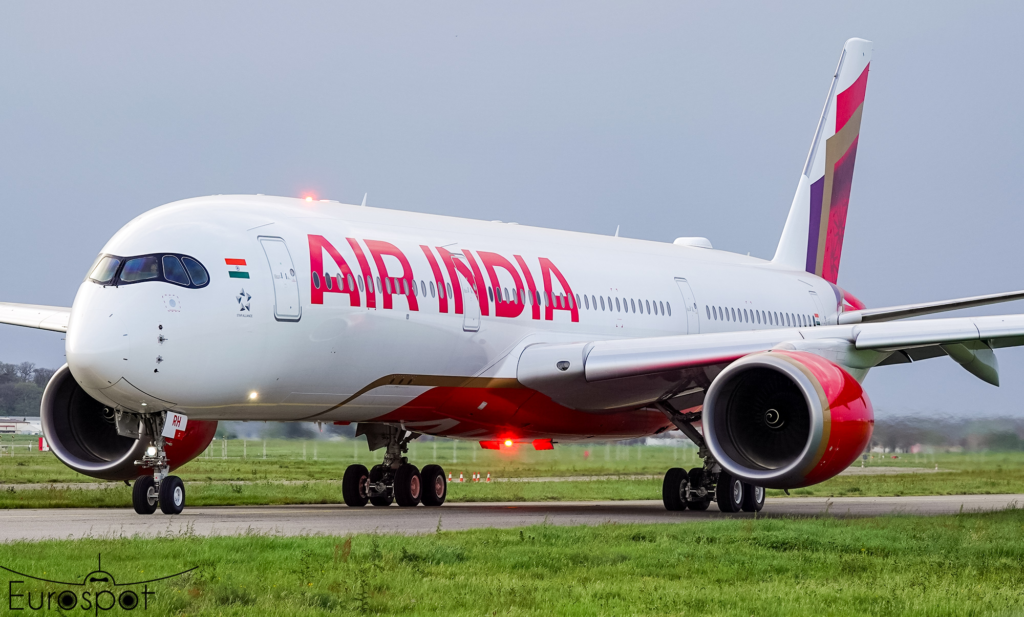
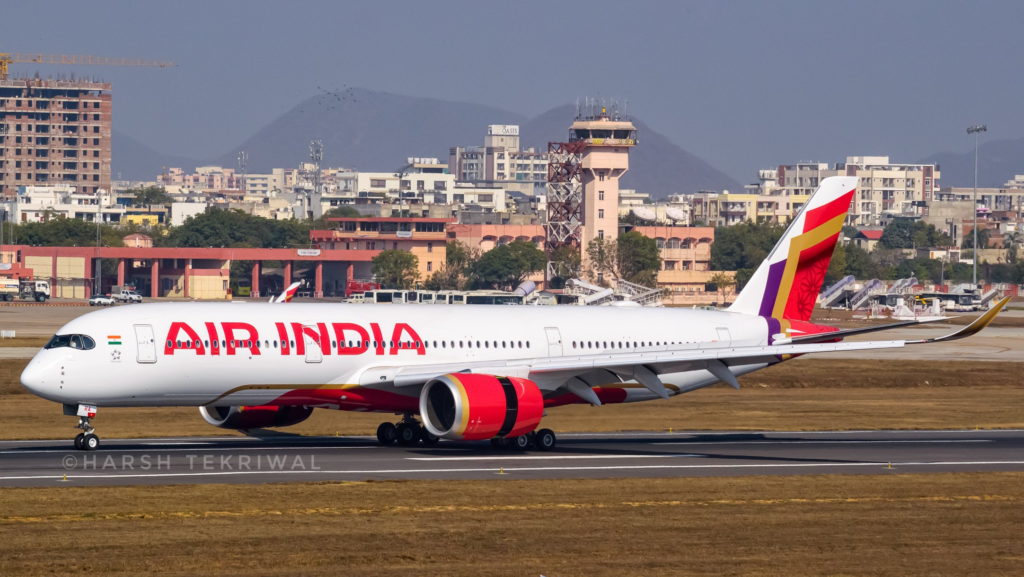
DELHI— On July 3, 2025, passengers scheduled to fly with Air India from Newark Liberty International Airport (EWR) to Indira Gandhi International Airport (DEL), in Delhi, faced unexpected cancellations due to “unforeseen circumstances,” even though the flight was still operating on schedule.
Among those affected was Vikas, who had traveled with his family from Washington to Newark the previous day to catch the airline’s Airbus A350-900 direct route. After successfully checking in online and monitoring the arriving aircraft, they received a sudden email notifying them that their booking had been canceled and instructed to reach out to their travel agency for a refund.
Air India Bumps Passengers
Vikas contacted Air India directly and was informed that his ticket was canceled without any explanation provided. When pressed for details, the airline representative stated that the “particular flight was unoperational,” despite the fact that the flight had indeed departed Newark (EWR) on time.
The family was later rebooked by their travel agency on a Lufthansa flight two days later via Germany—a solution they found unacceptable. Ultimately, they opted for last-minute travel through Emirates and Air India, leading to an added expense of over $2,000.
Upon arrival at Newark Liberty International Airport (EWR) on their original departure day, Vikas noticed that Air India’s check-in counters were operational and met four other passengers who shared similar experiences. Unfortunately, the station manager was unable to provide any clarification and mentioned that no actions could be taken at that time.
Possible Reasons Behind the Incident
While no official explanation has been given, several theories have emerged:
- Overbooking: Air India may have oversold the flight, prioritizing third-party agency bookings to minimize denied boarding compensation.
- Agency Changes: Indian Eagle may have modified itineraries for financial reasons without the airline’s direct involvement.
- Coordinated Action: There may have been a joint decision between both parties for mutual advantage.
Considering Air India’s recent reductions in its international network for enhanced reliability, flights on existing routes are likely running close to full capacity, making overbooking a plausible scenario.
Impact on Affected Travelers
The incident resulted in significant financial strain and inconvenience for the passengers. The rebooked itinerary proved longer, less convenient, and substantially costlier.
Questions of compensation and timely refunds remain unresolved, with the agency indicating that Air India has yet to release the necessary funds.
This situation highlights the potential pitfalls of booking long-haul international flights through third-party agencies, where accountability can often be unclear between the ticketing company and the airline.
Similar Incident
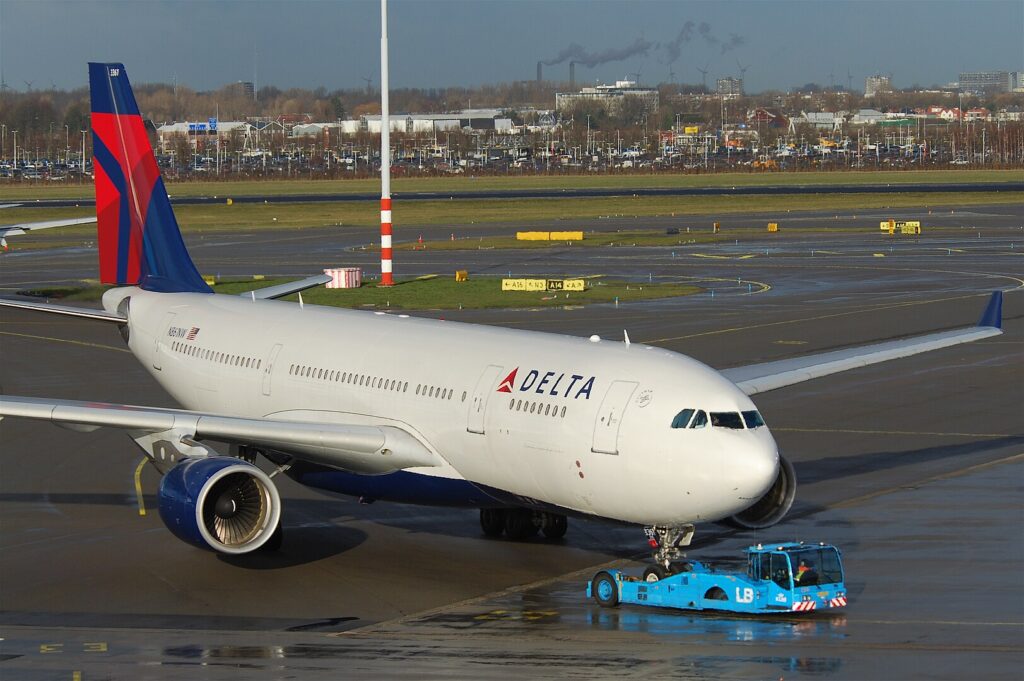
A Reddit user named Prior_Glass_2568 reported an incident involving Delta Flight 7 from Los Angeles (LAX) to Tokyo Haneda (HND), where up to 42 people were allegedly asked to voluntarily relinquish their seats.
Gate staff purportedly offered $1,500 and a seat on the next nonstop flight scheduled 24 hours later. However, Delta stated that their flight has not been oversold for months, suggesting a possible misunderstanding.
Overbooking is a common practice in the airline industry. Airlines anticipate no-shows and sell more tickets than available seats to maximize revenue. When flights are oversold, airlines typically seek volunteers to give up their seats for compensation. If not enough volunteers step forward, they may have to involuntarily bump passengers, according to strict U.S. Department of Transportation guidelines.
Since 2022, Delta has been known to offer up to $10,000 for voluntary seat relinquishing—an instance that rarely makes headlines. Data from DOT indicates that Delta had zero involuntary bumps in 2022 and led in voluntary bumps, with over 100,000 passengers giving up their seats willingly.
If a passenger is involuntarily bumped, compensation is owed under specific conditions: they must have a confirmed reservation, check in and arrive at the gate on time, and be unable to reach their destination within one hour of the original scheduled arrival.
Compensation varies based on delay length and whether the travel is domestic or international, with international passengers potentially receiving up to four times the one-way fare, capped at $2,150.