FAA Mandates Inspections for Boeing 787 Due to Defective Oxygen Masks

SEATTLE – The Federal Aviation Administration (FAA) has initiated mandatory inspections on 119 Boeing 787 Dreamliners operated by U.S. airlines, which includes major carriers like American Airlines. This order comes due to concerns regarding potentially defective oxygen masks that may not function properly during cabin depressurization, notably at airports such as Dallas/Fort Worth (DFW).
This directive specifically targets issues with kinked oxygen supply tubing in certain masks, which poses a significant safety risk to passengers.
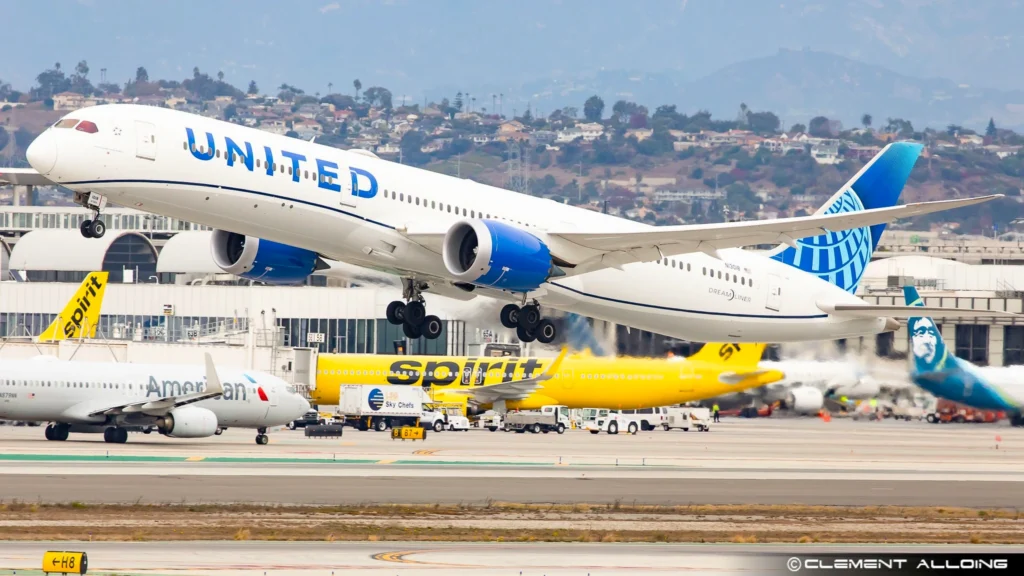
FAA Orders Inspections of Boeing 787 Aircraft
The FAA is rolling out a final rule that mandates inspections on 119 Boeing 787 Dreamliners that are in service with American Airlines and other U.S. carriers.
Reports reveal that the directive is a response to issues with kinked oxygen supply tubing found in passenger oxygen masks, where improper oxygen flow could pose dangers during cabin depressurization.
Though the issue only affects a limited number of units, it raises significant safety concerns that could lead to passenger injury.
The FAA reached out to various stakeholders, including Boeing and the affected airlines, for input on how to best resolve the issue.
American Airlines requested an extended compliance period of 48 months, twice the FAA’s original suggestion of 24 months, hoping to align with their maintenance schedules.
While the FAA did not grant the full extension, it did increase the timeline to 36 months, allowing inspections to coincide with routine maintenance without the need to ground the aircraft.
Engineers indicated concerns about the original repair method proposed by the FAA, which was deemed complicated.
The FAA later approved a more straightforward approach: airlines can now replace entire oxygen panels in affected aircraft instead of just fixing kinked tubing, simplifying the compliance process.
The total estimated cost for U.S. airlines to conduct these inspections and repairs is around $252,875, presenting a manageable financial impact from this airworthiness directive.
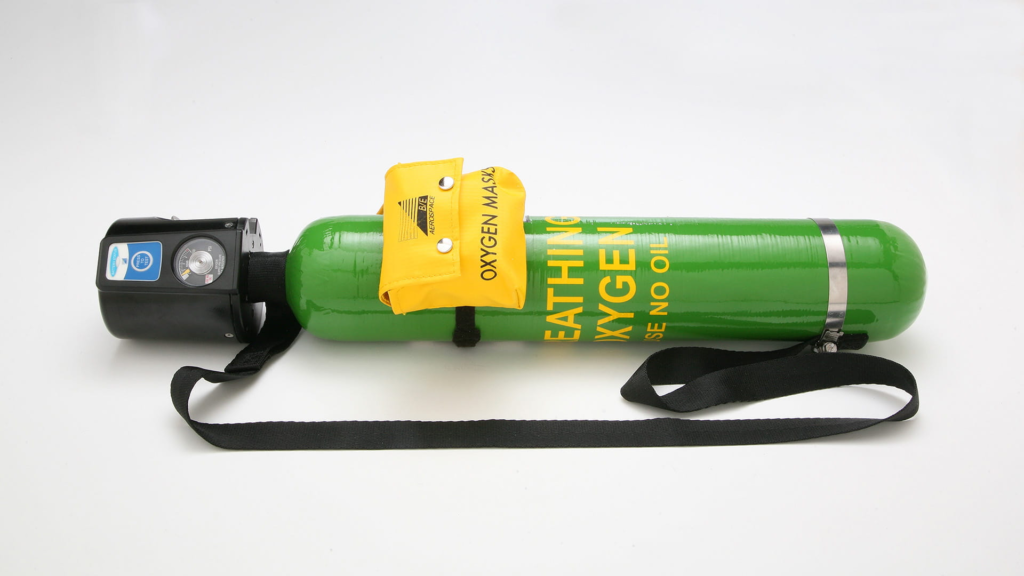
Rising Safety Concerns for Boeing 787
Back in August 2024, another urgent airworthiness directive was issued by the FAA concerning Boeing 787s after an incident involving a LATAM Airlines flight from Sydney to Auckland. A faulty rocker switch in the captain’s seat resulted in an accidental nosedive, injuring more than 50 passengers.
This situation occurred when a flight attendant leaned against a damaged switch cover in the cockpit, which inadvertently activated the switch connected to the captain’s seat. This caused the seat to move unexpectedly and led to a sharp downward pitch of the aircraft.
Diving investigations linked this incident to a pattern of similar “inadvertent pilot seat movement” cases across various Boeing 787 fleets.
In light of the urgency, the FAA took immediate action, bypassing the usual comment period to enforce inspections on all rocker switches on U.S.-operated Boeing 787s. Any switches deemed damaged needed to be replaced promptly as part of addressing this critical safety concern.
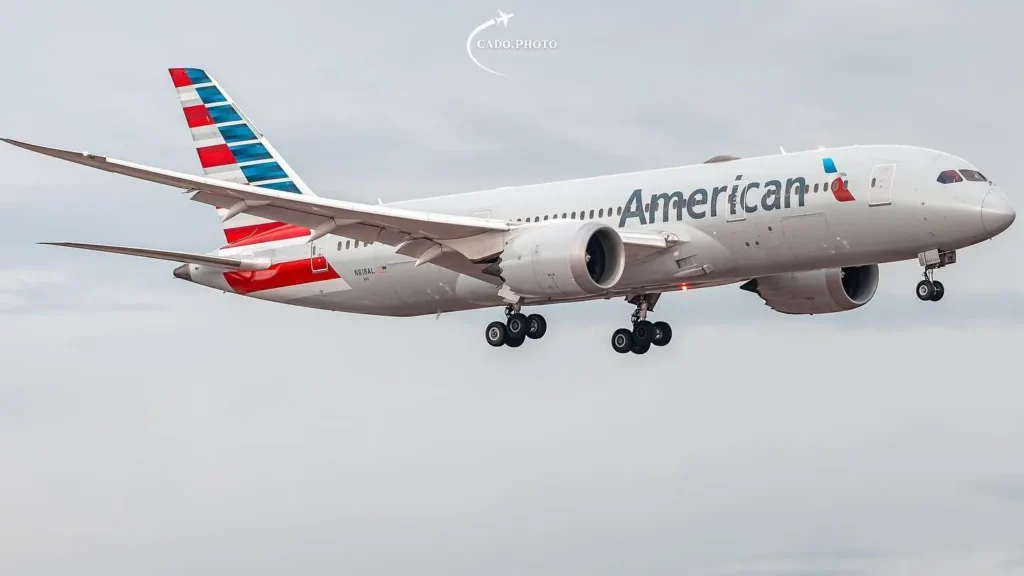
Impact on U.S. Airline Operations
The 36-month timeline for the oxygen mask inspections allows U.S. airlines to incorporate these checks into regularly scheduled maintenance, thus minimizing disruptions at key hubs like Dallas/Fort Worth (DFW).
With a limited number of affected masks and an efficient replacement process, airlines can swiftly address these issues without incurring substantial downtime.
The immediate compliance required for the pilot seat switch inspections has also bolstered cockpit safety, reducing the likelihood of similar incidents in the future.
These FAA directives underscore a commitment to maintaining safety standards while addressing ongoing concerns about Boeing 787 reliability, ultimately enhancing safety for both passengers and crew.
Have you considered how these inspections might impact your next flight experience?