United Airlines Sued in California Over Window Seat Missing Windows

CHICAGO – United Airlines is currently facing a class action lawsuit in California regarding the sale of “window seats” that do not actually have windows. Passengers are paying extra for these seats, only to find a blank wall instead of the expected view.
The issue arises from the design and configuration of certain aircraft that misalign seats with actual windows. This lawsuit specifically targets California consumers who have paid for these misleading seat assignments in the last four years.
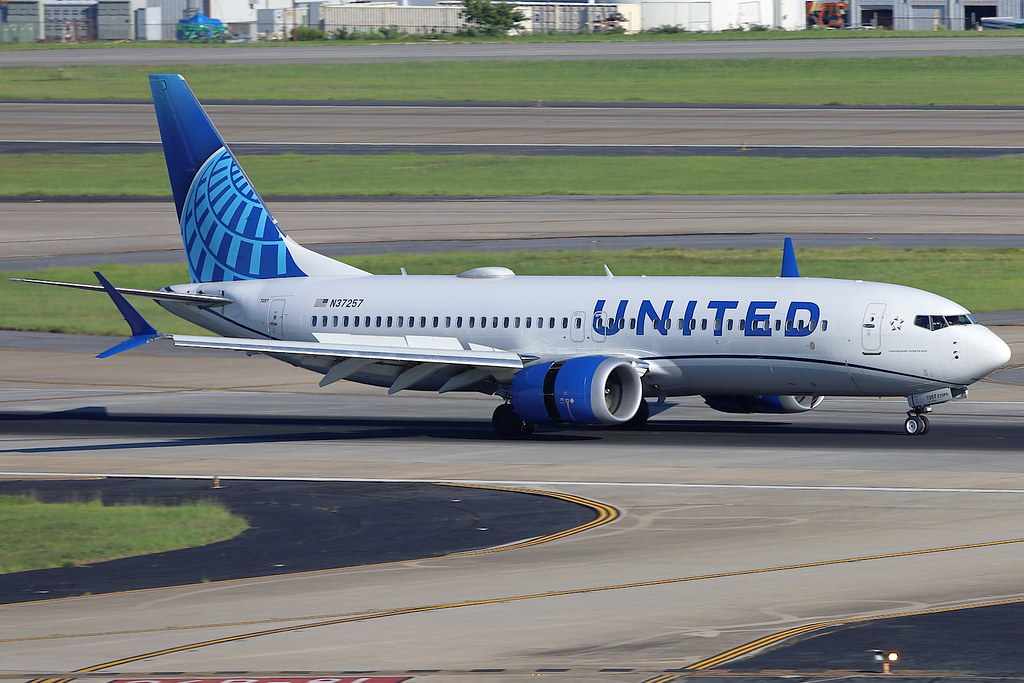
United Airlines Window Seats Lawsuit
Through their booking platform, United Airlines promotes certain seats as “window seats,” charging passengers a premium for these offerings. However, some of these seats are situated beside the cabin wall, misleading customers into believing they will have an external view.
This problem frequently occurs on Boeing 737 aircraft, especially with seat 11A, which is marketed as a window seat but lacks an actual window.
According to industry insights, numerous airlines, including United, advertise these seats as premium selections, creating expectations for a legitimate window experience.
Guests typically describe window seats based on their proximity to the wall, differentiating them from aisle or middle seats. Despite the additional fees, some passengers find themselves in seats with no view due to fuselage constraints or adjustments in row spacing.
United’s marketing process seemingly reinforces the notion of a view, while structural limitations mean that some seats will inherently lack windows. This issue isn’t unique to United, but the focus of this lawsuit highlights the airline’s practices.
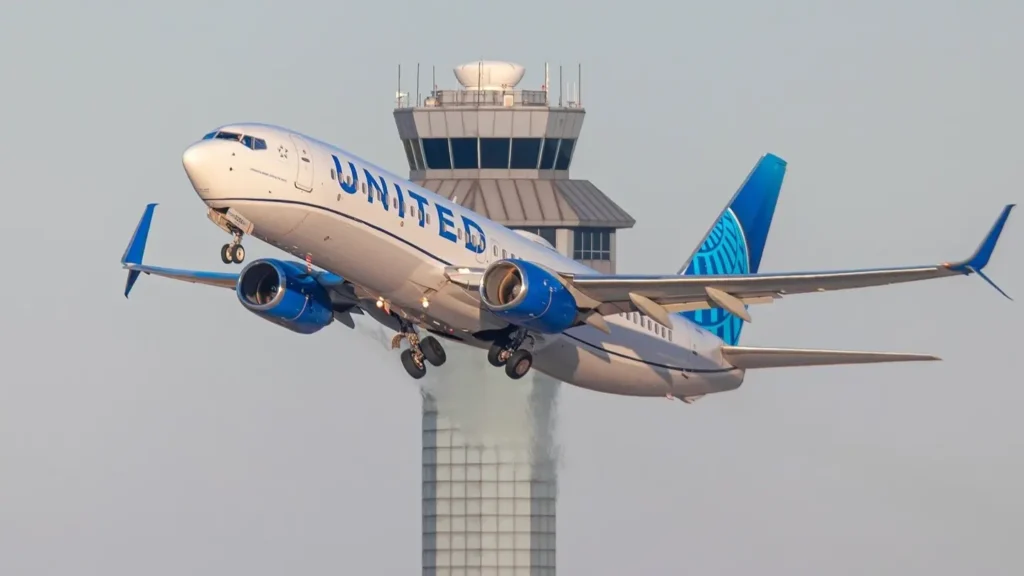
Scope and Eligibility
The ongoing lawsuit is limited to California residents. Individuals who paid extra for these misleading United window seats within the past four years are eligible to participate.
However, passengers who received free seat assignments due to elite status are not included in this class. The plaintiffs assert that the airline’s practices reflect fraud under California’s consumer protection regulations, including the Consumers’ Legal Remedies Act and Unfair Competition Law.
These laws broadly characterize deceptive practices, encompassing misleading advertising. Furthermore, California’s False Advertising Law supports such claims.
California courts generally favor consumer rights and are reluctant to approve class action waivers. By framing the case as product misrepresentation rather than airline service under the Airline Deregulation Act, the lawsuit skillfully avoids potential federal preemption.
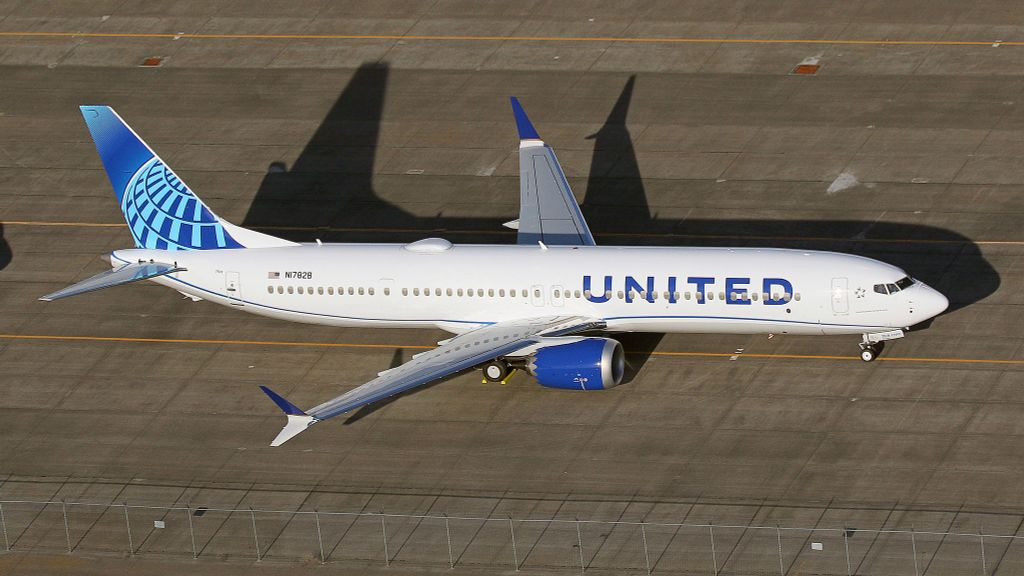
Reasons for Windowless Seats
The absence of windows in certain window seats can be attributed to aircraft design. The structural integrity of the fuselage necessitates solid walls, and adjustments in row spacing can reposition seats away from actual windows.
To alleviate confusion, United might consider updating seat maps to indicate seats without windows, much like Aerolopa has done for the 737-800.
The lawsuit also raises broader issues, such as the practice of flight attendants closing shades during long-haul flights, further limiting the use of window seats.
It also highlights the potential interference from neighboring passengers. United could monetize this by creating different tiers, such as “Basic Window” seats lacking views, “Window Plus” offerings positioned over the wings, and “Premium Window” options granting full vistas—with added benefits for elite travelers.
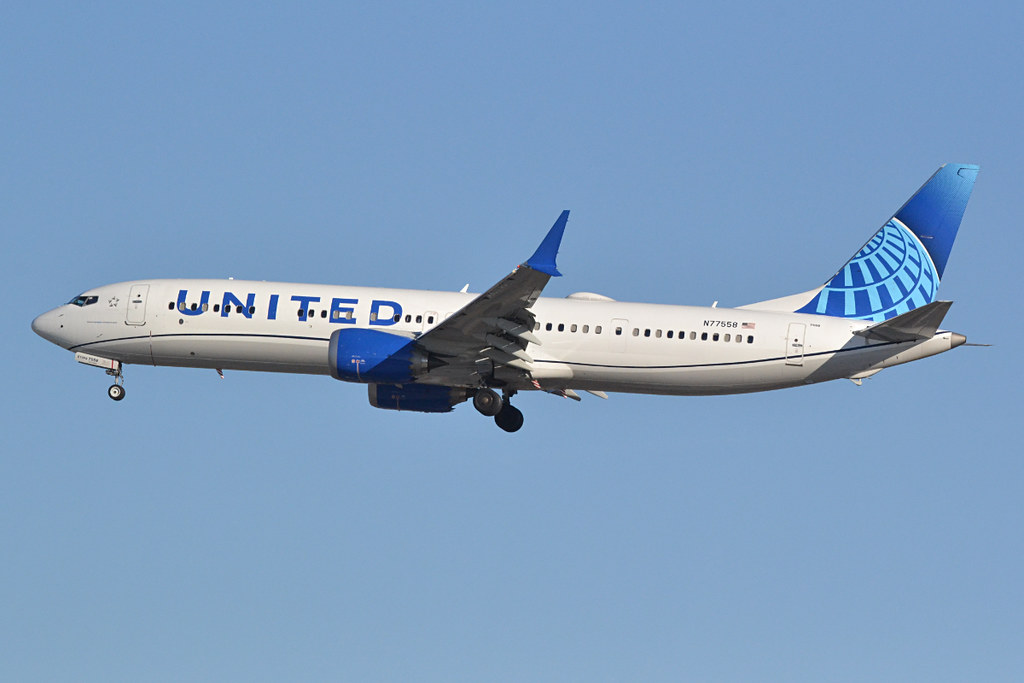
Innovative Revenue Ideas
United could look into applying unbundling to more features, such as introducing a fee for “Basic Lavatory” access in coach for passengers wanting to use first-class restrooms with windows.
This lawsuit may serve as a catalyst for clearer disclosures, turning a legal challenge into an opportunity for product differentiation against budget airlines.