United Attendants Reject New Contract After 5 Years Without Raises

CHICAGO- Flight attendants at United Airlines (UA) have turned down a tentative labor agreement after nearly five years without a pay increase. This decision has led to renewed negotiations, underscoring discontent over wages that haven’t kept pace with inflation and worries surrounding working conditions.
This rejection reveals deeper complexities within the bargaining process as United reintroduces operational demands, including modifications to how flight attendant schedules are organized and assigned.
United Flight Attendant Contract Rejection
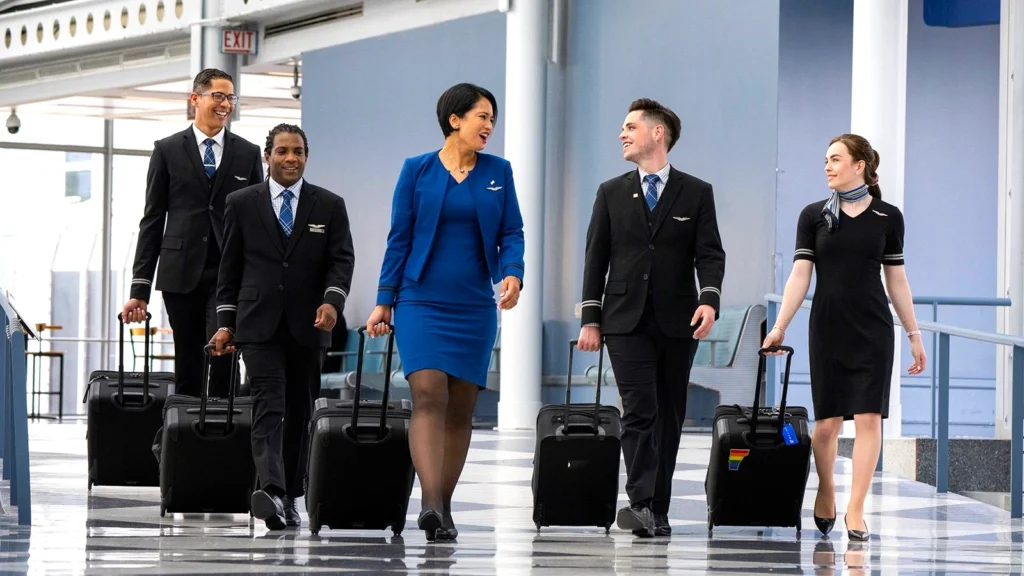
A significant 71% of United Airlines flight attendants voted against the tentative agreement reached by their union. This rejection follows a long stretch without raises, resulting in an estimated 25% decline in the real value of their wages due to inflation.
The proposed contract suggested average wage increases of less than 27%, viewed by many as insufficient to make up for the lost purchasing power.
The union characterized the agreement as the best outcome achievable under existing circumstances. However, flight attendants voiced concerns beyond pay issues.
Specific contract language regarding layover accommodations drew criticism, as it could potentially lead to lesser quality hotels located further from the city centers.
Some opposed the agreement on principle, fearing that accepting an initial offer could weaken their bargaining position in the future negotiations.
Union leaders later admitted that they misunderstood the priorities of their members during the initial talks.
In response, the union sought feedback from flight attendants to capture their concerns, especially relating to scheduling and layover standards.
The union’s negotiating strategy has also been impacted by regulatory constraints. Under both the Trump and Biden administrations, strikes in the airline industry have not been authorized, significantly limiting labor leverage. As a result, any future improvements will require internal trade-offs.
Union leaders recognized that pushing for higher costs for United would compel the airline to seek offsets in other areas, explaining why previously settled topics have resurfaced during ongoing negotiations.
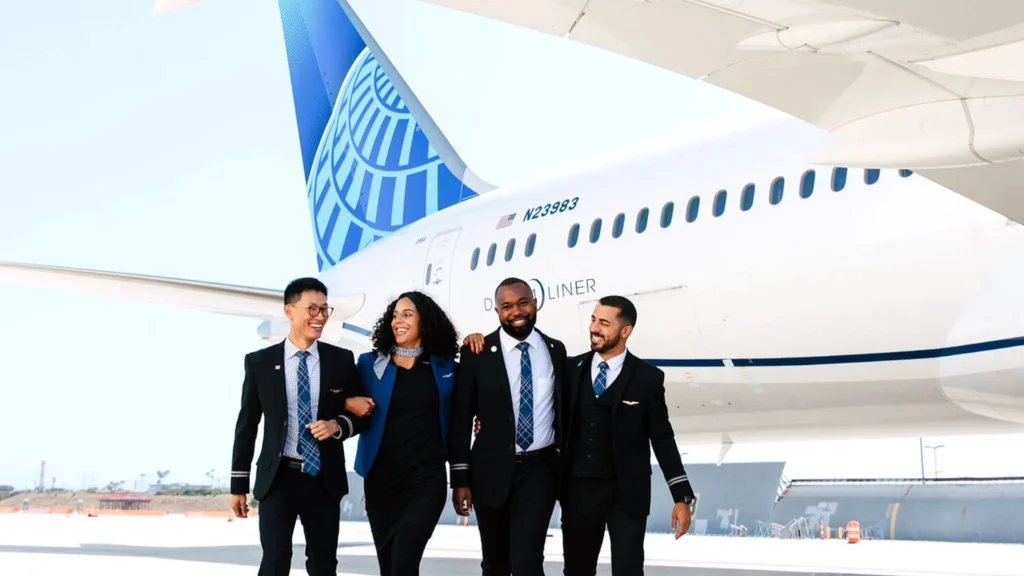
As the renegotiations advance, United has attempted to reintroduce previously agreed-upon concessions.
One major focus is the method of assigning flight attendant schedules. Management stated that any compensation or work rule improvements must be accompanied by efficiency enhancements.
The airline informed flight attendants of a “joint process with AFA to modernize bidding” to improve flexibility and choice.
However, the union countered this narrative, asserting that management attempted to re-table concessions previously rejected in the earlier tentative agreement.
Union leaders emphasized that no enhanced offers were being held back and cautioned members against expecting guaranteed advantages from rejecting the deal.
This disconnect illustrates the strategic tension between public messaging and the realities of negotiation.
Preferential Bidding System
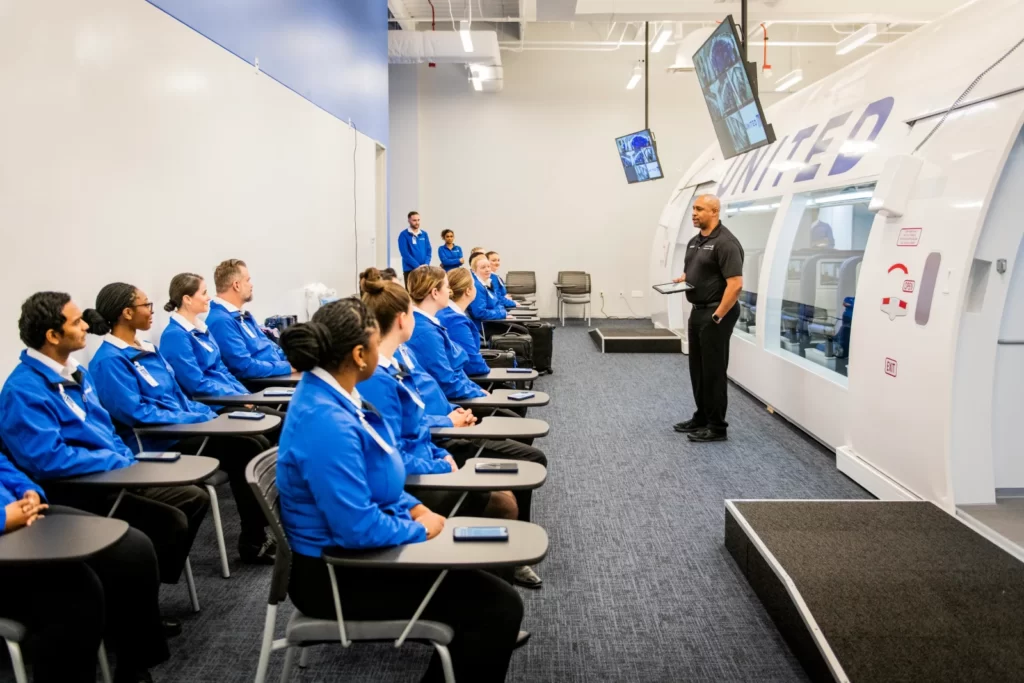
The Preferential Bidding System (PBS) replaces the traditional seniority-based selection model. Instead of choosing from a fixed list of trip lines, flight attendants submit ranked preferences, which can include days off, trip types, and other factors.
These preferences are prioritized into layers, and an optimization engine processes all bids at once, maintaining a balance between individual desires and operational needs.
While seniority remains a factor, it operates within the system’s algorithm rather than through direct selection.
Reasons for Flight Attendant Opposition to PBS
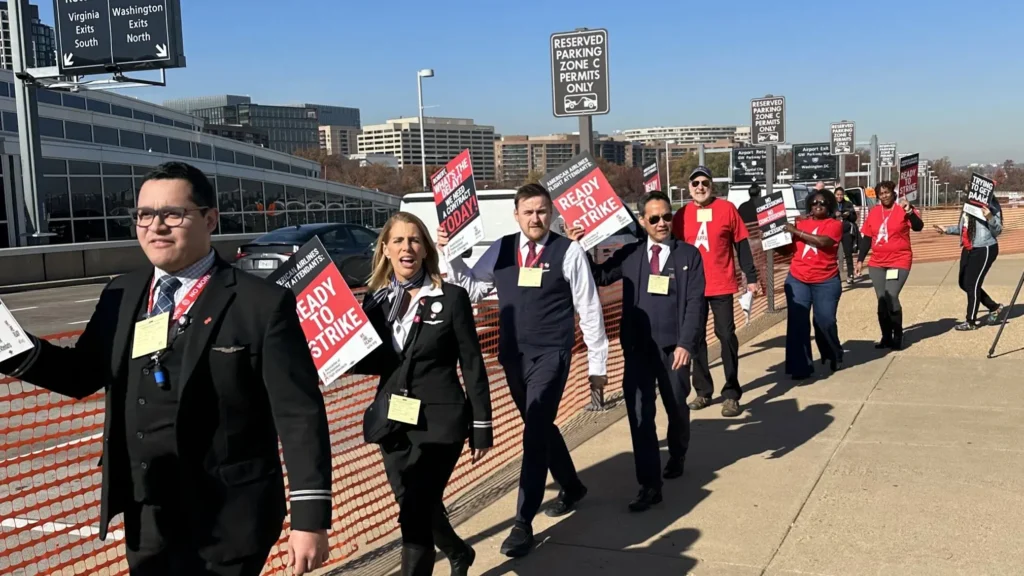
While PBS benefits the airline by enhancing coverage and reducing unassigned trips, flight attendants often find the experience frustrating. The system can assign schedules that technically fit preferences but violate practical expectations.
For example, a crew member requesting “no redeyes” might still end up with an early morning report. The system interprets instructions literally, leading to unexpected outcomes.
Senior flight attendants are particularly averse to PBS since its implementation can lead to less predictable schedules. Although seniority still matters, it no longer guarantees the same control over work assignments.
Successfully navigating the bidding process demands an understanding of the contract and careful strategy to avoid unfavorable assignments.
Industry and Negotiation Dynamics
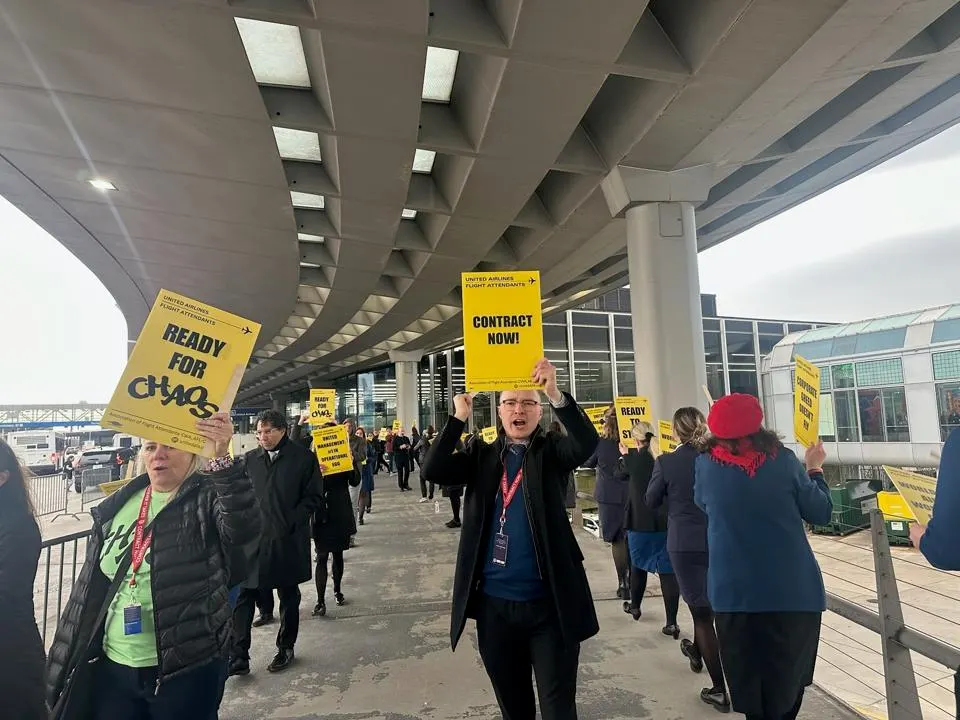
Other airlines have embraced PBS, including American Airlines and Alaska Airlines. United has also invested heavily in AI tools to enhance operational efficiency, making PBS a logical objective.
However, United had previously agreed to abandon PBS in earlier negotiations. Its recent appearance suggests a strategic maneuver rather than a definitive implementation strategy.
By proposing a system that flight attendants oppose, management creates openings for future concessions that may be traded for agreement elsewhere.
Resolution of the Dispute
The ongoing negotiations indicate a structured positioning rather than a true reset. United can’t substantially exceed the financial terms already proposed, and the union must show tangible progress to gain support for ratification. This situation encourages symbolic victories that allow both sides to claim success.
Considering the significant pushback and existing agreements, PBS is unlikely to be part of the final contract. Its role seems more about leveraging than implementation, empowering the union to block unwanted changes and present that outcome as a significant achievement.
What are your thoughts on the ongoing negotiations between United Airlines and its flight attendants?