JetBlue Takes Legal Action Against Portugal for Lisbon Airport Access Limitations

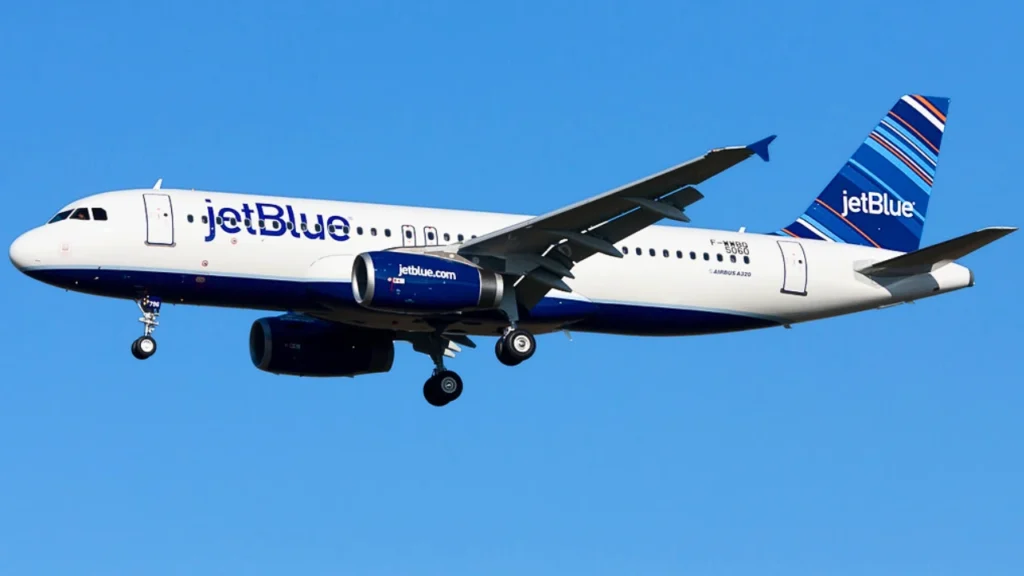
NEW YORK- JetBlue (B6) is currently exploring legal avenues against Portugal due to allegations that US carriers are being denied access to Lisbon Airport (LIS).
The airline has reported consistent rejections of landing slots since 2023, as outlined in documentation submitted to the US Department of Transportation in response to American Airlines (AA), United Airlines (UA), and Delta Air Lines (DL).

JetBlue’s Access Challenges at Lisbon Airport
JetBlue contends that Portugal’s limitations on US carriers at Lisbon Airport (LIS) hinder its ability to operate effectively from its primary international hub.
As outlined in reports cited by Bloomberg, JetBlue asserts that American carriers encounter significant obstacles when trying to secure slots at Portugal’s main international airport.
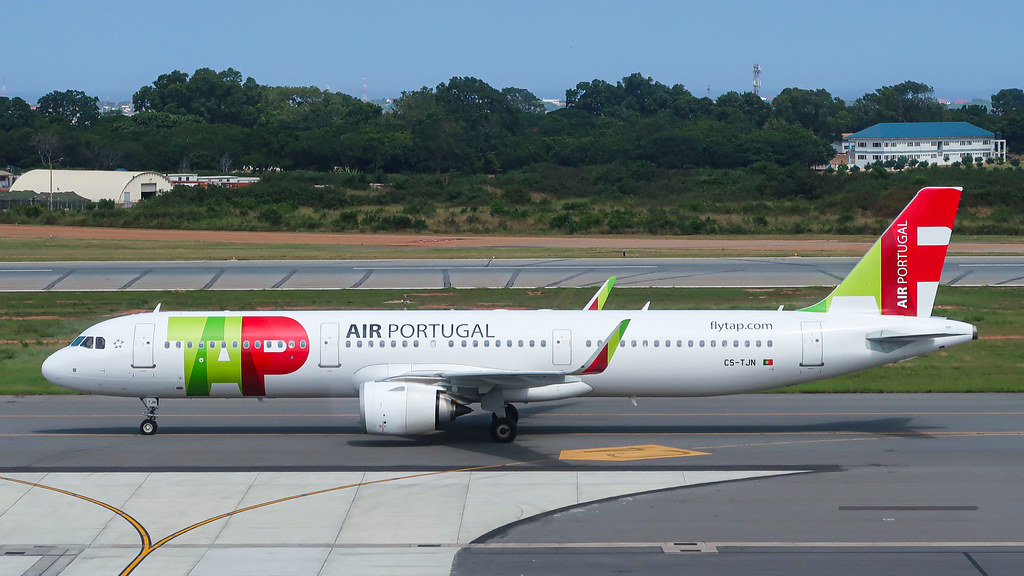
The airline has pointed out that while European carriers, including TAP Air Portugal (TP), have unrestricted access to US airports, American Airlines face significant barriers in Portugal.
JetBlue has urged the US Department of Transportation (DOT) to consider reciprocal measures unless equal access for US carriers is provided.
Currently, US airlines hold just 33% of slots at Lisbon, which is below the 45% average for European carriers at major gateways.
This imbalance leads JetBlue to question the advantages that Portugal derives under the US-Europe open skies policy, insisting that reciprocal access should mirror the freedoms granted to European airlines in the US.
Wider Industry Context
The situation with Lisbon reflects a more extensive tension between US and European airlines in various markets. For instance, US carriers have expressed strong opposition to the Dutch government’s previous attempts to cap capacity at Schiphol Airport (AMS).
That policy was eventually scrapped due to widespread international outcry. Similar issues have arisen at Dublin Airport (DUB), where slot restrictions have hindered the growth of US airlines.
JetBlue emphasizes that such barriers contradict the principles of the open skies agreement, established to facilitate balanced competition and mutual access.
Without proper enforcement, US airlines argue that European carriers enjoy an unfair advantage in the lucrative transatlantic market.
Shifts in Strategy and Partnerships
This dispute comes on the heels of JetBlue ending its codeshare partnership with TAP Air Portugal (TP).
Despite this termination, passengers can still use their TrueBlue loyalty points for TAP flights to Lisbon (LIS) and Porto (OPO) through September 30. This move indicates JetBlue’s intent to reassess its European strategy while pursuing autonomous expansion into Portugal.
Meanwhile, JetBlue is also reinforcing its partnerships elsewhere. Recently, the US Department of Transportation approved its Blue Sky partnership with United Airlines (UA), positively impacting investor confidence.
Despite a 33.8% decline in stock value year-to-date, JetBlue shares have shown an 18.6% increase over the past month, reflecting renewed optimism in its partnership approach.

Market Implications and Future Perspectives
JetBlue’s conflict with Portugal highlights the crucial role that slot distribution plays in international market competition.
Lisbon holds strategic importance as a transatlantic and southern European hub. Denying US airlines further slot access effectively bolsters the market presence of its flag carrier, TAP Air Portugal.
Analysts predict that if the US government pressures Portugal or revisits open skies agreements, this dispute could significantly alter transatlantic aviation policy.
For now, this case underscores a broader challenge regarding equitable access, regulatory fairness, and the long-term competitiveness of US airlines in Europe.
What are your thoughts on JetBlue’s legal actions in this situation?