American Airlines Faces $9.6M Penalty Due to Flight Attendant Errors

FORT WORTH– A federal jury in California has mandated that American Airlines (AA) pay a substantial US$9.6 million in damages due to inadequate response when a passenger experienced a stroke on a transatlantic flight. The ruling pertains to Flight 68 from Miami (MIA) to Madrid (MAD) in March 2021.
The jury from San Jose (SJC) determined that American Airlines (AA) failed to adhere to its own medical emergency protocols after Jesus Plasencia, a resident of Watsonville, California, exhibited clear stroke symptoms shortly after takeoff. This case emphasizes the critical role airlines play in managing on-board medical situations.
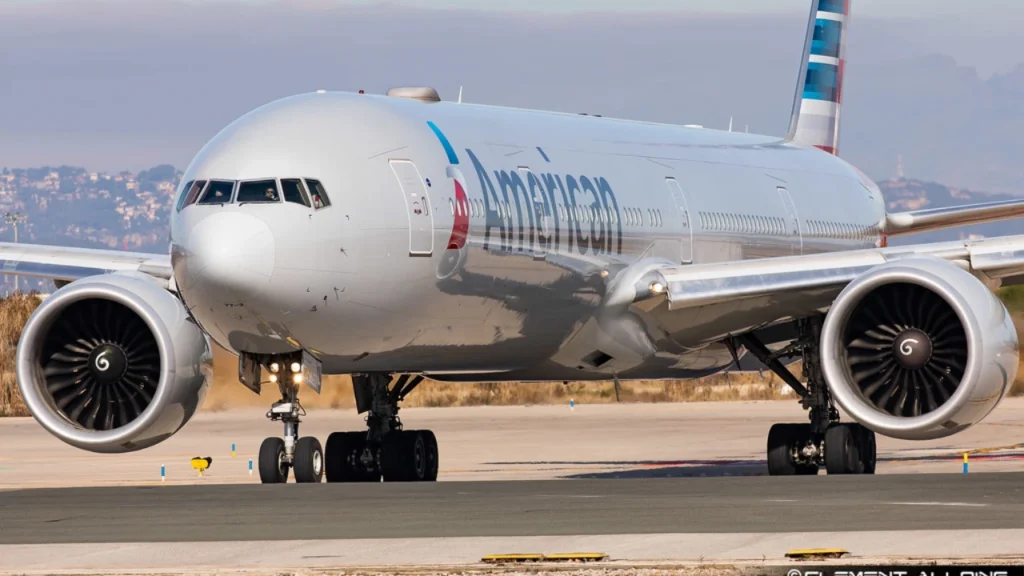
American Airlines Required to Compensate $9.6 Million to Passenger
Evidence presented during the six-day trial revealed that Plasencia, a chef, had previously experienced a transient ischemic attack (TIA) while still at the gate in Miami (MIA).
A TIA, often referred to as a mini-stroke, results from transient blood flow reduction to the brain and is frequently indicative of a potential stroke.
While Plasencia remained unaware of the situation, his wife, Marcela Tavantzis, quickly recognized that he had lost motor control and was speaking nonsensically.
She informed a flight attendant, yet the incident was not escalated to medical personnel prior to takeoff, despite American’s established protocols. Instead, a pilot authorized Plasencia for takeoff.
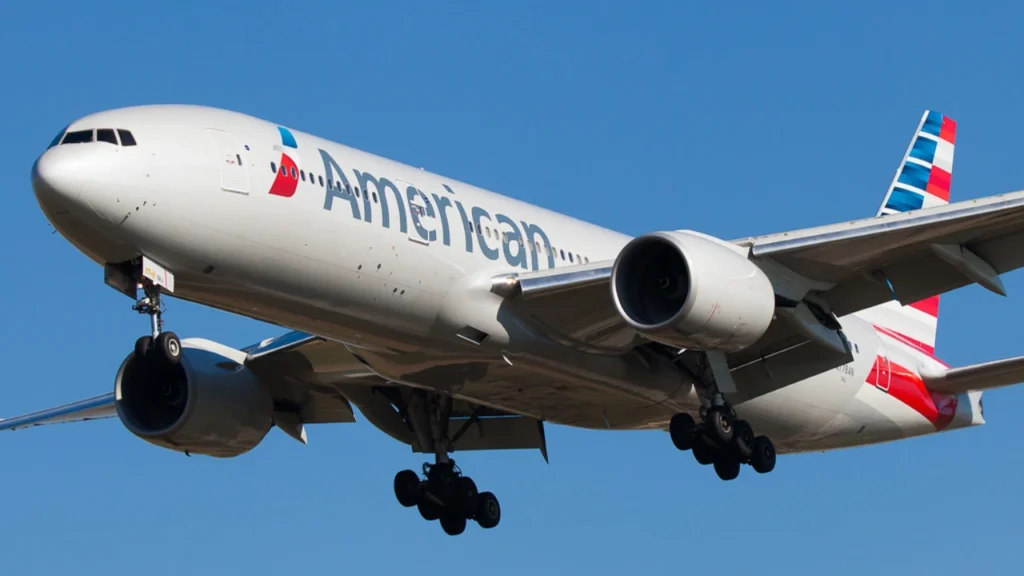
Inadequate Handling of Medical Emergency
Shortly after takeoff, Plasencia began showing symptoms of a stroke, such as impaired speech and lack of mobility. Instead of notifying the captain or seeking emergency medical assistance, crew members reportedly instructed other passengers to observe him.
Consequently, Plasencia did not receive urgent treatment for over eight hours. Typically, airlines would divert flights in response to serious medical emergencies.
The jury found that American Airlines breached its own policies, undermining passenger safety. Attorneys for Plasencia argued that this failure delayed essential treatment and aggravated his condition considerably.
Legal Framework: The Montreal Convention
The legal team representing Plasencia and Tavantzis pointed to the Montreal Convention, an international treaty that defines passenger rights on international flights.
The jury ultimately deemed American Airlines accountable for failing to protect the passenger as clearly mandated by this law.
Lead counsel Darren Nicholson of Burns Charest in Dallas criticized the airline’s defense, arguing that American attempted to attribute the stroke to pre-existing health issues instead of its own negligence. Co-counsel Hannah Crowe and lawyer Sanjiv Singh from San Mateo also represented the family in this case.
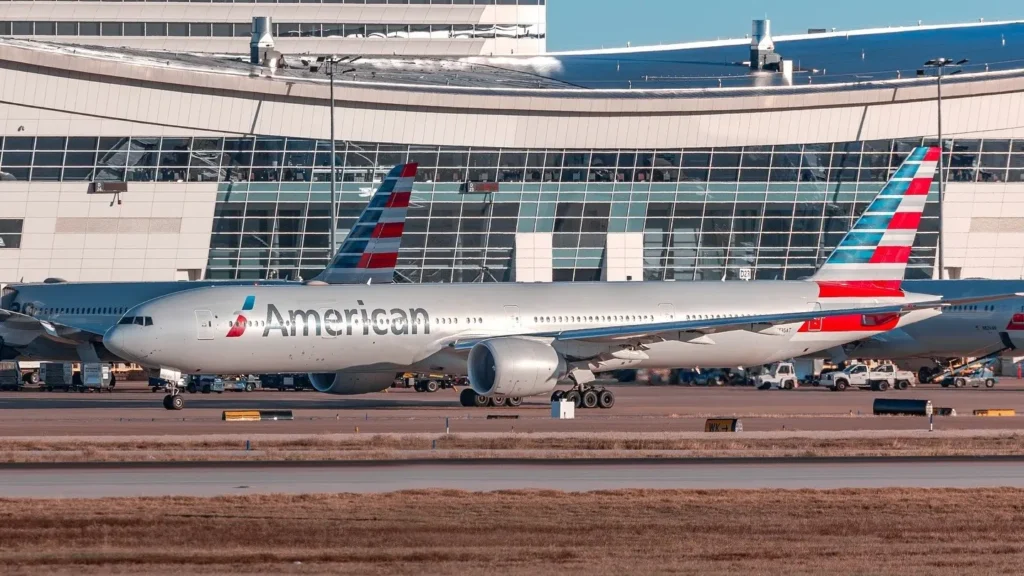
American Airlines’ Reaction
In response to the ruling, American Airlines released a statement highlighting its commitment to passenger safety as a primary concern. However, the airline disagreed with the jury’s findings and is currently evaluating its options for appeal.
This case underscores increasing scrutiny surrounding airline responses to medical crises during flights. For long-haul international journeys, timely decisions and emergency protocols can significantly influence recovery outcomes.
Industry experts believe this ruling may drive airlines to reexamine their training and emergency procedures to mitigate future liabilities.
What are your thoughts on airline protocols for in-flight medical emergencies?