Lufthansa Boeing’s €274 Million Loss Due to Fleet Delays and Labor Strife

FRANKFURT- Lufthansa (LH), the largest airline group in Europe, has reported a staggering loss of €274 million for its core brand in the first half of 2025. This loss is pulling down the overall group profits, even though the Lufthansa Group itself managed to gain €149 million.
This financial hardship is intensifying ongoing negotiations with pilots regarding pensions, raising the risk of potential strikes. Executives assert that these losses hinder the funding needed for new long-haul jets currently on order, underscoring deeper operational challenges facing the airline.
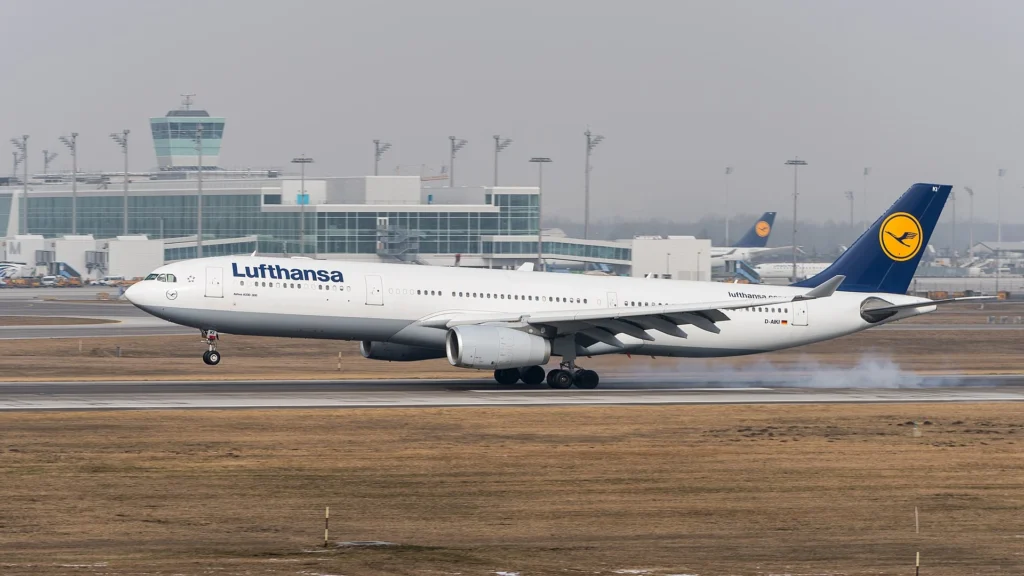
Lufthansa’s €274 Million Loss
Although the Lufthansa Group reported a profit of €149 million for the first half of 2025, its core brand suffered a loss of €274 million during this period. The larger Lufthansa division, which includes CityLine, Discover, and Air Dolomiti, recorded a deficit of €307 million.
CEO Jens Ritter has emphasized the critical state of affairs, warning that without significant structural reforms, the future of Lufthansa Airlines is bleak. He noted that the current financial situation prevents the company from acquiring the new long-haul aircraft that are scheduled for delivery in upcoming years. Ritter also dismissed allegations of financial manipulation, asserting that the core brand is the bedrock of the group.
According to Group CEO Carsten Spohr, the cost disadvantages faced by Lufthansa hinder growth prospects. He pointed out that subsidiaries like Eurowings and Lufthansa Cargo, known as the “Billionaires Club” for their significant profits, cannot compensate for the core airline’s difficulties.
Spohr warned that even potential acquisitions or strong performance from subsidiaries will not save the airline unless the primary brand can stabilize its operations. This situation mirrors common union negotiation tactics, where management cites financial strain to resist wage increases.
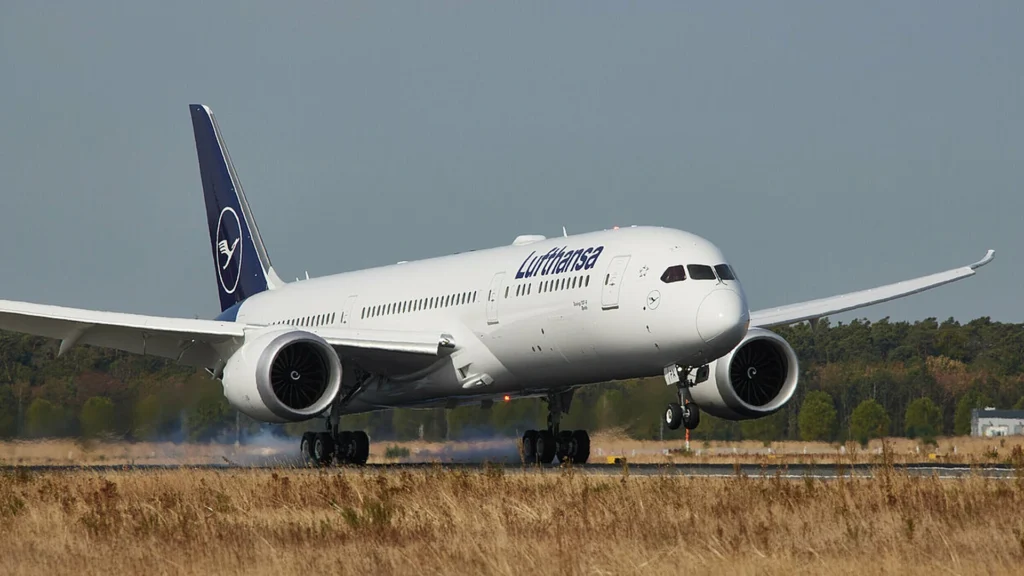
Fleet Renewal Delays
The renewal of Lufthansa’s long-haul fleet depends heavily on the Boeing 777X, which has been postponed for about seven years. This delay impacts planned upgrades and raises the maintenance costs of older aircraft.
The introduction of the new Allegris cabin concept has encountered several hurdles. Slow progress has forced Lufthansa to ground numerous Boeing 787 Dreamliners due to certification issues surrounding the cabins.
While management grapples with unpredictable external pressures, internal decisions are also facing scrutiny. The Allegris design, which utilizes seats from three different manufacturers, complicates both production and maintenance.
Some airplanes, like the SWISS A330s, need additional weights to maintain first-class balance, while 747-8s will feature two types of business-class seats. Such complexities add overhead without evident improvements in quality, leaving the average business-class product lacking direct aisle access on many long-haul flights.
Strategic Shifts
Lufthansa used to be a leading airline in Europe in terms of quality and reliability. Recently, however, there has been a noticeable decline, with the focus shifting from core operations to cost-cutting measures involving subsidiaries.
CEO Spohr has assigned priority to new entities that aim to bypass strict European labor regulations, which in turn, drains the mainline business of necessary resources and undermines its competitiveness.
In contrast, carriers like Air France have improved passenger experience and efficiency through strategic investments. British Airways has also made significant strides, leaving Lufthansa to lag behind.
Despite these setbacks, top executives at Lufthansa continue to retain their positions and compensation, framing the situation as a consequence of external challenges rather than acknowledging their role in the airline’s struggles.
Future Outlook
As costs rise, pilots are advocating for better pensions. However, management is responding with claims of unprofitability linked to the stagnation in fleet investments.
Many self-inflicted issues, such as difficulties with cabin rollouts and the proliferation of subsidiaries, are driving losses more than external pressures. Absent reform, growth will stall and could jeopardize the entire group’s stability.
Lufthansa’s progression is lagging behind its competitors, causing a decline in its reputation as a premium airline. Urgent structural changes are necessary to ensure its long-term viability.
What do you think are the key steps Lufthansa should take to recover from this situation?