Aerospace Firm Set to Secure 500 Aircraft Deal with Chinese Airlines

BEIJING— A group of U.S. lawmakers has been vocal about a potential deal with Boeing during their discussions with Chinese leaders while visiting Beijing. They promoted plans for China to purchase up to 500 Boeing aircraft, injecting fresh optimism into the transpacific aviation partnership.
Besides aviation, the delegation also explored topics such as defense, trade, and bilateral relations with some of China’s top political and economic officials, highlighting a broader strategic focus.
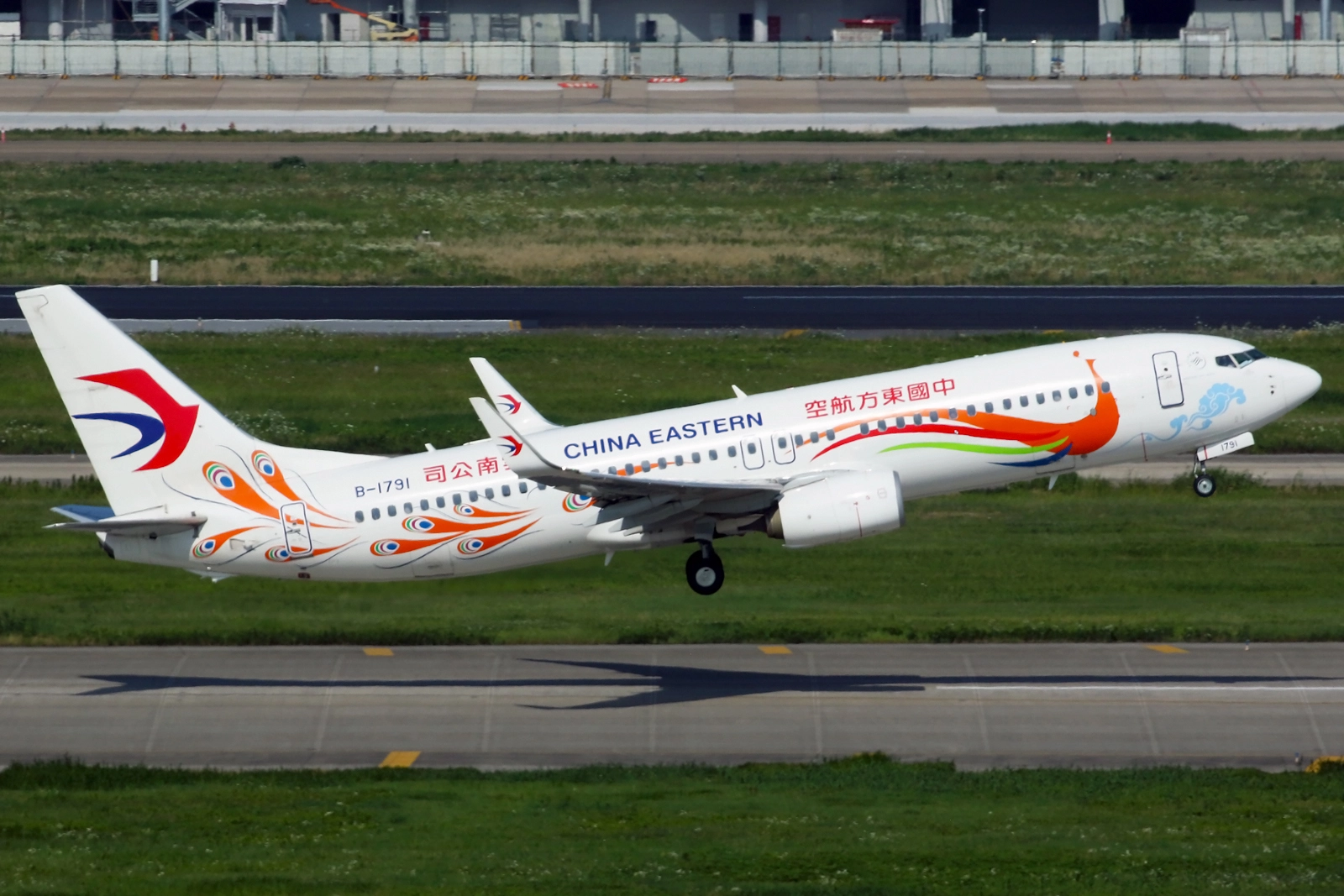
Boeing Aims for 500 Aircraft Order
This visit marks the first U.S. House delegation to China since 2019, with hopes of reviving stalled aerospace negotiations amid tense U.S.-China relations. Earlier statements from U.S. Ambassador to China David Purdue suggested that discussions were nearing their conclusion.
Led by Representative Adam Smith, the U.S. delegation sought commitments from Chinese officials regarding the Boeing aircraft purchases, emphasizing the need for renewed sales. Smith remarked that it has been a considerable time since Boeing airplanes were sold in China.
This highlights an American drive to rekindle significant sales. The proposed agreement could involve as many as 500 jets, which would significantly boost Boeing’s business in China.
Ambassador Purdue noted that negotiations have reached an advanced stage and stressed the importance of the deal to the U.S. president. Given that China is the world’s second-largest air travel market, maintaining a foothold there is crucial for Boeing.
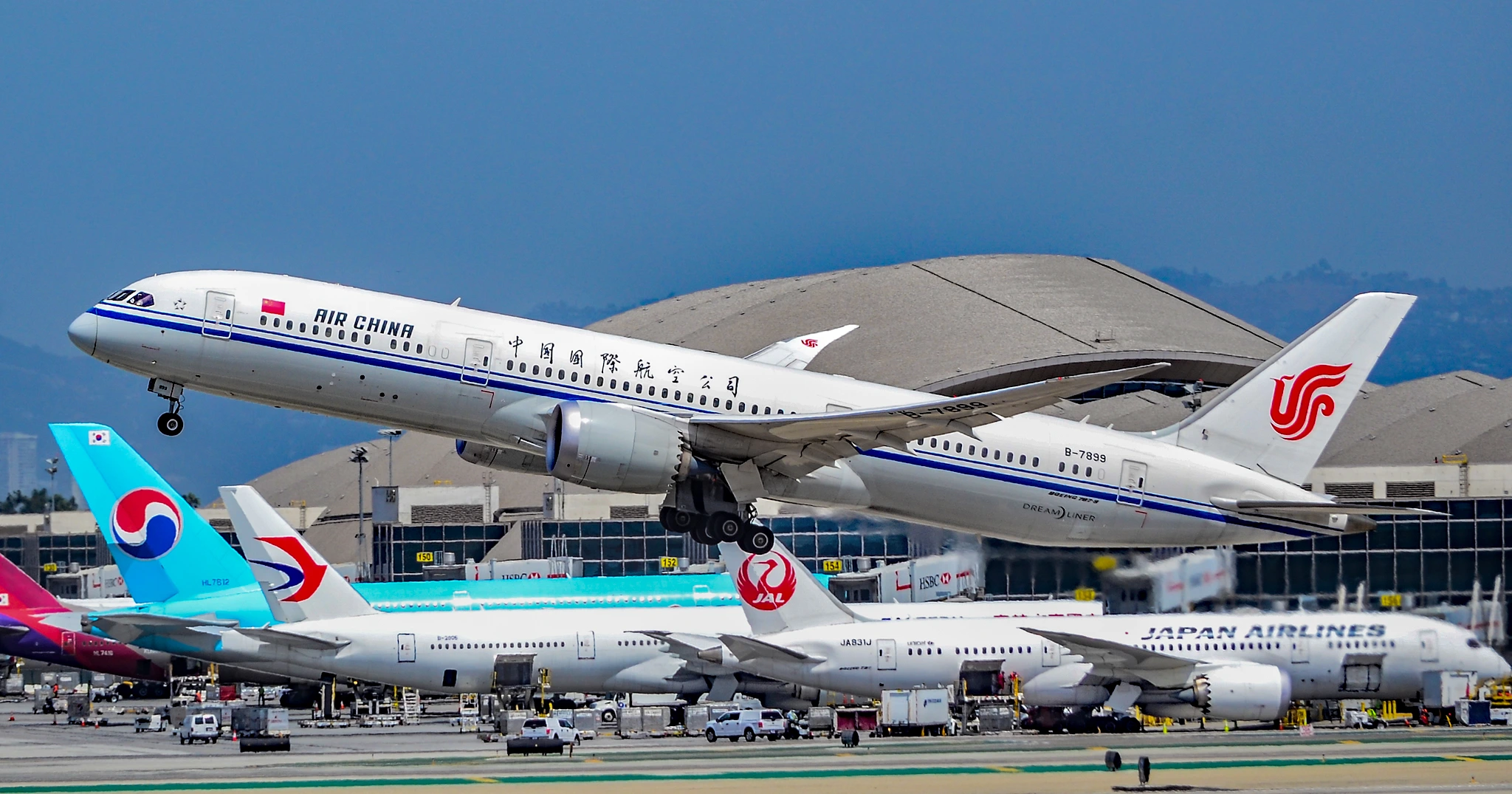
Strategic Diplomatic Engagement
During this visit, lawmakers interacted with several high-ranking Chinese officials, including Premier Li Qiang and economic leader He Lifeng. They also discussed military dialogue and mutual security concerns with Defense Minister Dong Jun.
Representative Smith underscored the importance of dialogue as the strategic landscape evolves, stating that communication helps avoid miscalculations. The bipartisan group includes figures like Ro Khanna, who focuses on technology and trade policies.
Khanna has expressed concerns regarding U.S. competitiveness in technology and the implications of U.S.-China relations. Their discussions didn’t solely focus on aviation; they also addressed defense, semiconductors, and ongoing geopolitical tensions surrounding Taiwan and the South China Sea.

Implications for U.S.-China Relations
A successful aircraft agreement would signify a substantial breakthrough for Boeing, especially after years of halted Chinese orders due to geopolitical challenges. Continuous sales to Chinese airlines could help restore Boeing’s standing and hint at a thaw in aviation trade tensions.
Nevertheless, the overall U.S.-China relationship remains affected by unresolved issues, including semiconductor export limits, tariffs, and military competition in the Indo-Pacific.
While lawmakers advocate for Boeing’s potential, they continue to request increased dialogue on security and trade matters.

Conclusion
Boeing has maintained a presence in China through operations like its plant in Tianjin, and the potential return of orders carries economic and symbolic importance. Observers will be keen to see if China announces any deal publicly or links it to broader diplomatic objectives.