Impact of Boeing 777X Delivery Delays on Global Airlines

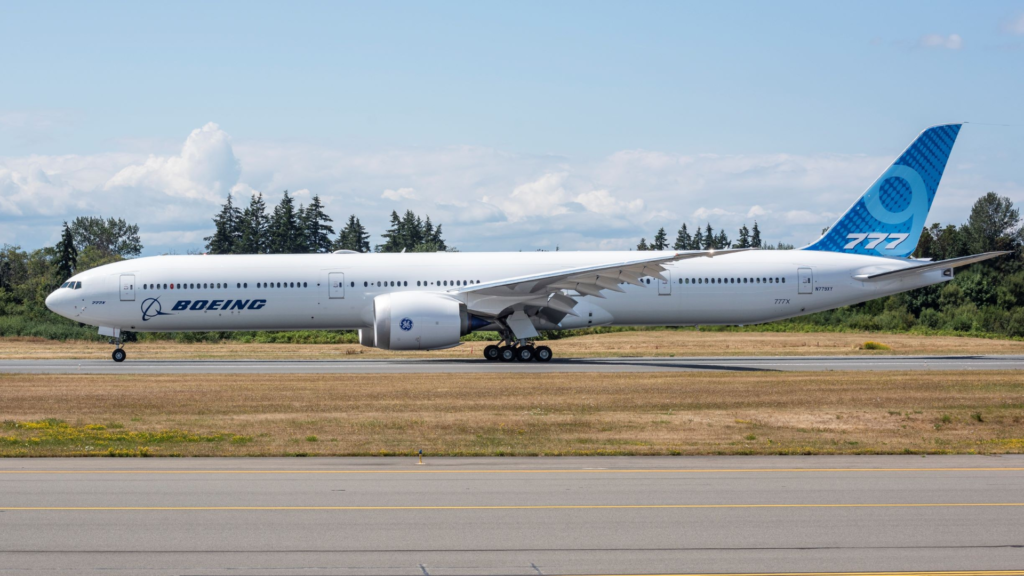
SEATTLE- The long-anticipated 777X program from Boeing is facing another delay. Now, its anticipated entry into service has been rescheduled for 2027, missing the earlier target of mid-2026. This situation has repercussions for various global airlines that had planned their fleet updates around this widebody aircraft.
Initially expected to launch in 2020, the Boeing 777X has grappled with continuing delays in certification and manufacturing. This latest setback, reported by Bloomberg, continues the trend of prolonged development that has characterized this program throughout its history.
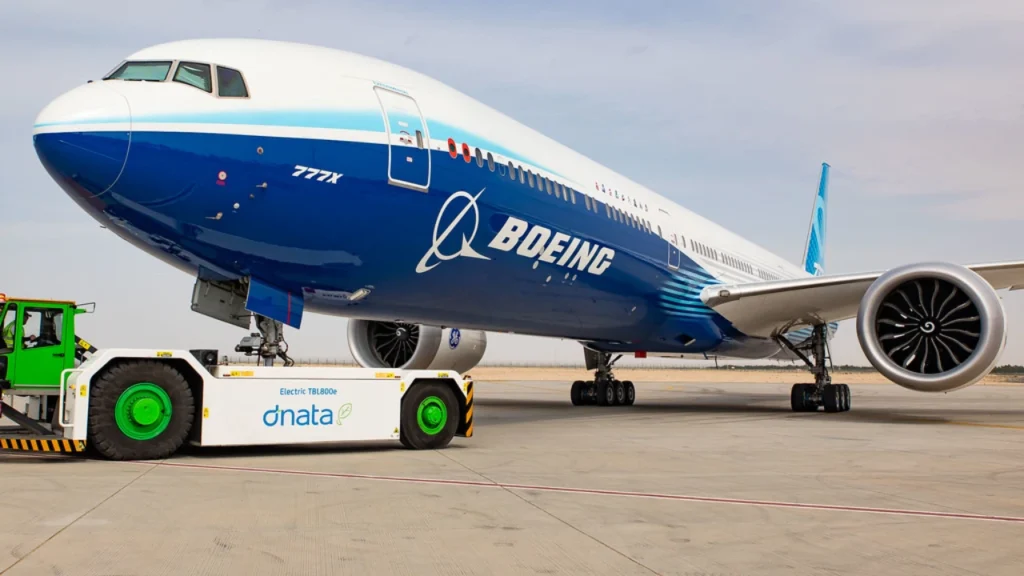
Boeing 777X Launch Pushed Back to 2027
Introduced in 2013, the 777X serves as Boeing’s forward-looking evolution of the well-established 777 lineup, intended to succeed older long-haul fleets. It will feature two versions—the 777-8 and 777-9—both aimed at delivering enhanced fuel efficiency, extended range, and larger passenger capacity compared to the currently active 777-300ER.
Despite the anticipated advancements, the model has yet to enter commercial operation after 12 years in development.
Currently, Boeing has about 565 firm orders, primarily from Emirates (EK), which has booked 205 jets, alongside other airlines like Qatar Airways (QR), Lufthansa (LH), All Nippon Airways (NH), British Airways (BA), Cathay Pacific (CX), and Singapore Airlines (SQ).
With both the Airbus A380 and Boeing 747-8 now out of production, the 777X is poised to emerge as the largest new passenger aircraft of the coming decade.
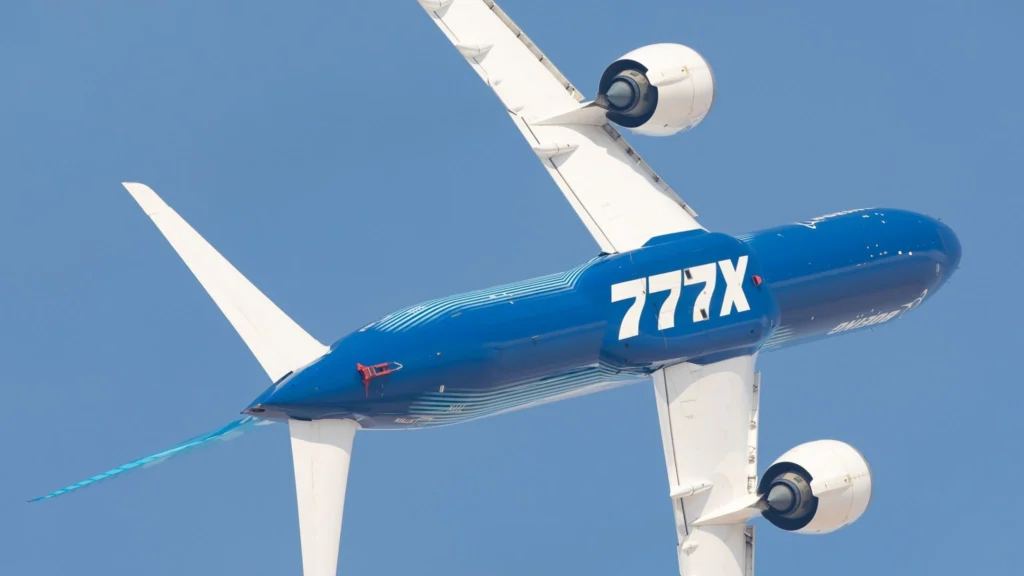
Challenges of Delays, Costs, and Certification
Throughout its development, the 777X has encountered numerous delays and engineering obstacles. Its inaugural test flight, initially scheduled for mid-2019, was delayed to early 2020 due to complications with the GE9X engines, which are the largest ever designed for a commercial aircraft. Concerns about durability led to redesigns and extensive testing.
A door failure incident during structural evaluations added more challenges. Additional complications arose from Boeing’s corporate issues, including the 737 MAX grounding, production quality concerns in 2024, and a subsequent worker strike.
Boeing’s CEO, Kelly Ortberg, acknowledged the significant workload ahead, stating, “the mountain of work is still there,” and expressed concern over falling behind in certification. The 777X program has already faced more than $11 billion in cost overruns, with this latest delay likely to increase costs by an additional $4 billion.
Lufthansa, the aircraft’s launch customer, has confirmed that it no longer anticipates receiving its first jet by 2026.
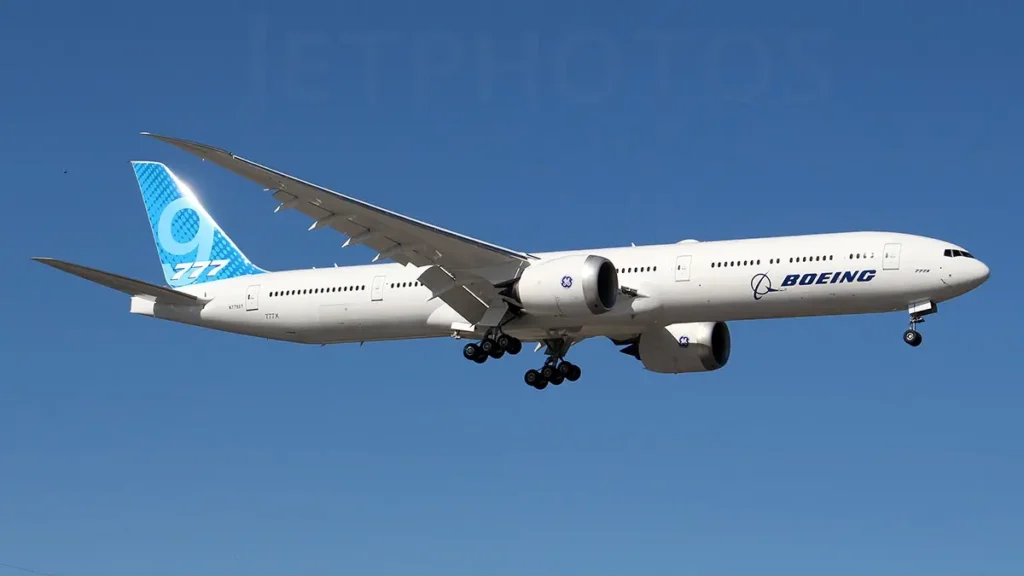
Consequences for Airlines and Passenger Experience
The persistent delays have disrupted planning for numerous major airlines. Many had intended to introduce new flagship cabins aboard the 777X, which now requires adjustments to their rollout plans:
- Emirates plans to introduce new first and business class suites on the 777X, intended to phase out the aging A380 fleet.
- Cathay Pacific wished to launch its Aria Suites business class on the 777X but now must retrofit existing 777-300ERs.
- Lufthansa had set to unveil its Allegris cabins on the 777X; instead, they are now focusing on the A350s and 787s due to delays.
- Singapore Airlines and Qatar Airways are developing new first and business class products specifically for the 777X platform.
Each postponement forces airlines to revise not just their delivery timelines but also their financing models and passenger product strategies, leading to both operational and commercial challenges.
Future Prospects for Boeing’s Key Aircraft
The 777X is vital to Boeing’s strategy for widebody aircraft, promising enhanced fuel efficiency and reduced operating costs once it secures certification. The company maintains flight tests while collaborating with the Federal Aviation Administration (FAA) for safety evaluations.
If certification processes remain on track, 2027 could finally see this aircraft make its commercial debut. Nevertheless, with a history of timeline adjustments, industry analysts are now watching with a critical eye.
The success or further delays of the 777X will heavily influence Boeing’s standing within the long-haul aviation market for many years to come.