Emirates’ Appeal Denied Over Hidden Seat Fees for NYC Flights

DUBAI- The Maharashtra State Consumer Disputes Redressal Commission (SCDRC) recently reaffirmed a 2020 decision against Emirates, finding the airline guilty of unfair trade practices. The ruling stems from a case in which passengers were forced to pay for seat pre-booking, even though free seats were available.
The issue at hand involved a couple from Navi Mumbai who had booked a flight from Mumbai (BOM) to New York (JFK), with a layover in Dubai (DXB). They were charged for pre-booking adjacent seats, leading to a legal complaint that has now culminated in a significant ruling.
Emirates Found Liable for Unfair Trade Practices
A bench led by Justice S.P. Tavade dismissed Emirates’ appeal, affirming the South Mumbai District Consumer Commission’s original ruling. The complaint, lodged by Dr. Keshab Nandy and Mrs. Meenu Pandey, highlighted that the couple was misled into coughing up ₹7,200 for adjacent seats that they believed were necessary.
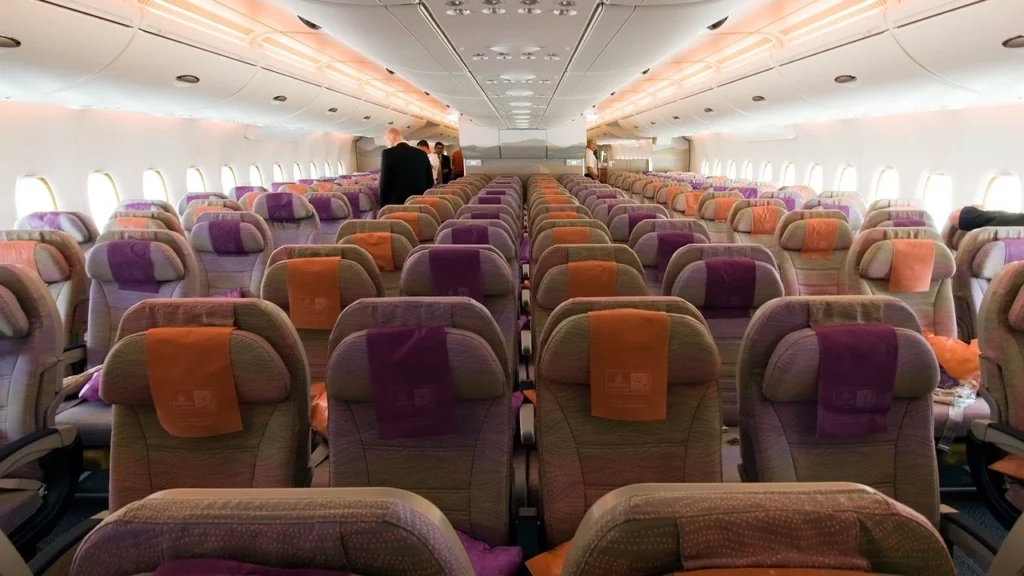
With Dr. Nandy managing health issues, it was crucial for him to sit next to his wife during the flight. Upon boarding, they discovered that other passengers occupied free adjacent seats, contradicting the airline’s earlier claims about seat availability.
The District Commission’s ruling mandated Emirates to reimburse the couple ₹7,200, plus annual interest, and included a compensation for mental distress and legal expenses.
Failure to Disclose Free Seat Availability
The SCDRC pointed out that while airlines can charge for premium seats, they must transparently disclose which seats are complimentary. Emirates’ website failed to provide this crucial information, misleading the customers.
This lack of transparency was deemed a violation of consumer rights, as passengers remained unaware of their actual seating choices. As a result, passengers felt pressured into making unnecessary payments, which constituted a deficiency in service under the Consumer Protection Act of 1986.
Commission Identifies ‘Dark Pattern’ Practice
The Commission highlighted 2023 guidelines from the Ministry of Consumer Affairs regarding “dark patterns”—deceptive online tactics meant to manipulate user behavior.
While these guidelines were not active during the incident, the Commission noted that Emirates’ actions were similar, as they concealed information about available free seats, thereby limiting informed choices for consumers.
The order emphasized that the complainants had no choice but to pre-book, incurring additional costs despite the availability of free options. Such actions represent an unfair trade practice and violate consumer rights.
Emirates’ Appeal Rejected
After thoroughly reviewing the evidence, the SCDRC upheld the District Commission’s ruling which was based on valid reasoning and proper evidence. Consequently, Emirates’ appeal was dismissed, reiterating the need for accountability in the airline industry.
This decision reinforces a crucial precedent for transparency, reminding airlines to disclose all details concerning seat pricing and availability. Passengers must have the necessary information to make informed choices without facing obfuscation.
Broader Implications for Consumer Rights
This ruling highlights the critical nature of consumer protection in the realms of digital commerce and aviation. As online booking systems play a dominant role in travel purchasing, transparency about costs and options is essential.
By classifying Emirates’ actions as unfair trade practices, the Commission sends a strong message that any attempts to mislead consumers or compel unwarranted payments will not be tolerated under Indian consumer law.
What are your thoughts on this judgment and its impact on airline practices?