Delta Opts Out of Narrow-Body Jets for Transatlantic Flights, Still Uses 757 to Iceland

ATLANTA- During its Q3 2025 earnings call, Delta Air Lines (DL) discussed its strategy regarding transatlantic routes, making headlines with comments perceived as a critique of United Airlines (UA). Delta President Glen Hauenstein emphasized that the airline will not utilize long-haul narrow-body aircraft for transatlantic travel due to “product and brand issues.”
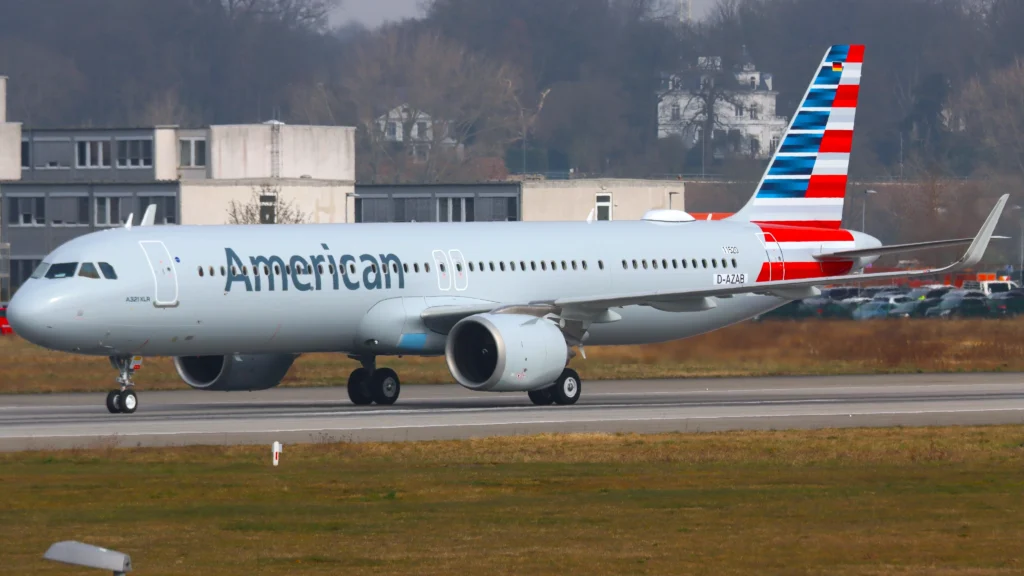
This statement comes as United and American Airlines (AA) are increasing transatlantic operations with narrow-body jets such as the Boeing 737 MAX and Airbus A321XLR. Delta’s position indicates a different long-term vision that prioritizes fleet consistency and the premium passenger experience.

Delta’s Approach to Transatlantic Routes
Hauenstein’s comments were in response to a question from Jeffries analyst Sheila Kahyaoglu regarding Delta’s plans to manage its Atlantic capacity amid heightened competition.
He highlighted Delta’s commitment to a “best-in-class” transatlantic service, showcasing upcoming features like new Delta One Suites, Premium Select, and an expanded Comfort+ cabin.
Hauenstein remarked, “We’ve opted not to operate narrow bodies across the Atlantic because of product and brand inconsistencies.” This strategy sets Delta apart from competitors increasingly deploying single-aisle jets on longer flights.
For instance, United has utilized Boeing 737 MAX aircraft from Newark (EWR) to smaller European locations like Santiago de Compostela (SCQ)—often inaccessible to wide-body jets. Similarly, American plans to implement the Airbus A321XLR in thinner transatlantic markets.
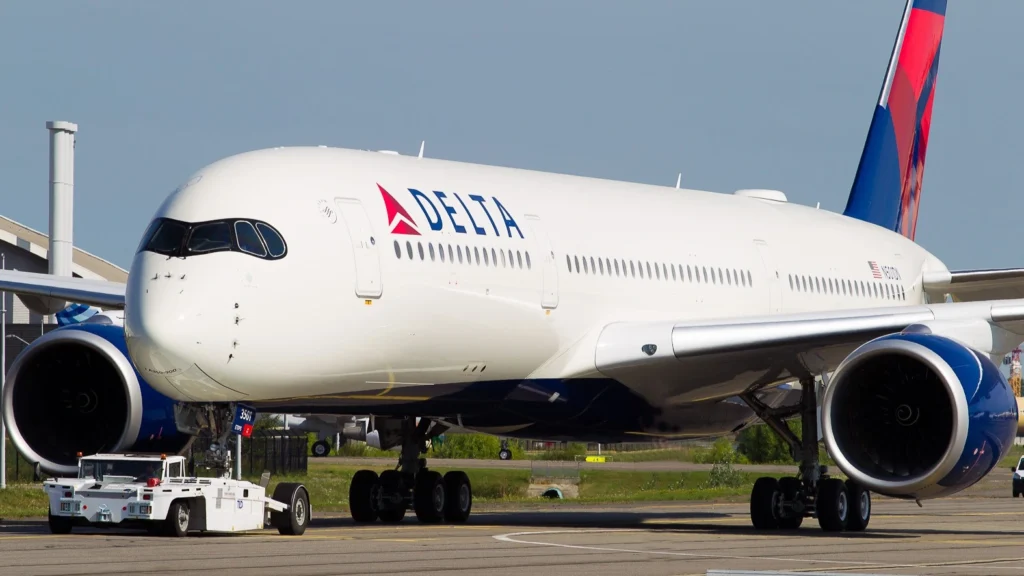
Delta, however, has no orders for the A321XLR, primarily relying on Airbus A330s and A350s for its transatlantic routes. The airline does operate Boeing 757s on seasonal flights to Reykjavik (KEF), raising questions about the consistency of its narrow-body policy.

Are “Product and Brand” Issues a Strong Argument?
Some critics argue that passenger aversion to narrow-body planes on long-haul journeys may be overstated. The Airbus A321XLR, for example, boasts modern amenities, efficient economics, and an extended range. Many travelers prioritize direct access to secondary market destinations rather than the type of aircraft, especially when the front cabin offers premium economy rather than business class.
Delta’s concerns about maintaining brand consistency are valid, as it positions itself as a premium airline. However, this stance appears selective when considering its aging Boeing 767-300ERs, which feature older business-class offerings compared to competitors like United’s Polaris and American’s Flagship Business.
Conversely, United’s use of narrow-body jets opens opportunities in smaller European markets that wider aircraft may not economically serve. This strategy enhances network reach and customer choice without sacrificing major hub-to-hub routes.
The Competitive Implications
Delta’s refusal to explore narrow-body long-haul options may limit its adaptability as its older 767 fleet ages out.
With the A330 as its entry-level long-haul aircraft, Delta could struggle to compete in less dense transatlantic markets that United and American efficiently serve with A321XLRs.
While Delta focuses on product consistency and brand reputation, the long-term implications might include a narrower network.
The pivotal question is whether passengers prefer the type of aircraft or the access to new destinations—a delicate balance Delta must navigate as market conditions shift.
Bottom Line
Delta’s decision to eschew narrow-body jets for transatlantic operations underscores its emphasis on brand image and onboard experience. However, as competitors leverage smaller and more efficient aircraft to access underserved routes in Europe, Delta risks falling behind in terms of market presence.
This strategy embodies a conscious choice: safeguard the brand’s premium status or venture into emerging niche markets. Only time will tell which approach proves to be more viable.
What are your thoughts on Delta’s strategy regarding narrow-body aircraft for its transatlantic routes?