Boeing Gains EU Green Light for $4.7 Billion Spirit AeroSystems Deal

Aerospace leader Boeing has obtained the European Union’s approval for its $4.7 billion acquisition of Spirit AeroSystems, marking a significant milestone in the process. This endorsement follows Boeing’s commitment to divesting specific operations of Spirit to mitigate competition concerns.
The European Commission, which manages competition regulations within the EU, accepted Boeing’s strategy to sell facilities that supply parts to Airbus and various other aircraft manufacturers. The acquisition is now awaiting final approval from U.S. regulators.
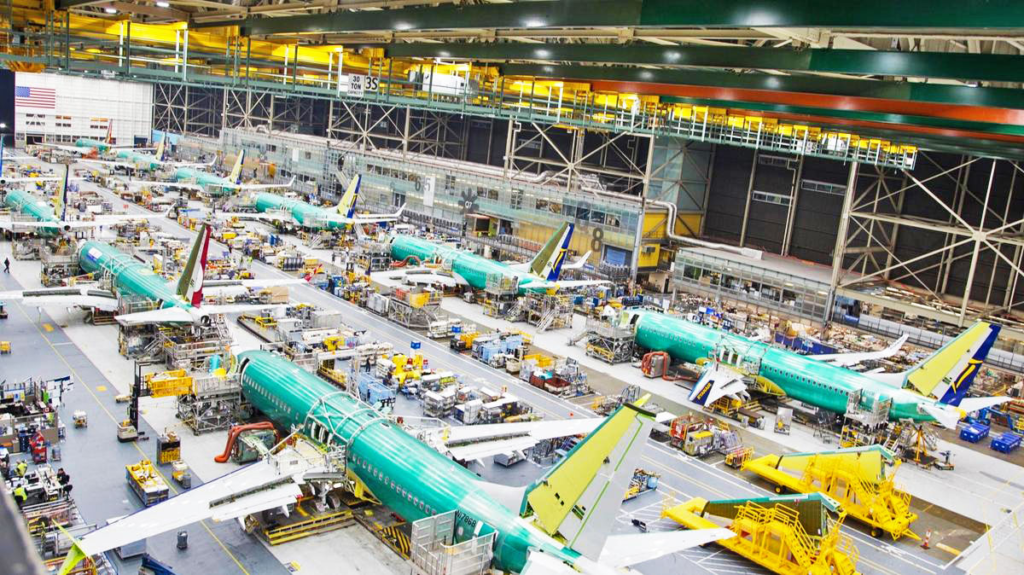
Boeing Receives EU Approval for Spirit AeroSystems Acquisition
The European Commission highlighted that Boeing’s acquisition risked reducing competition in the global aerostructure and large commercial aircraft sectors significantly.
To address these worries, Boeing proposed several remedies, including the sale of Spirit AeroSystems’ businesses supplying aerostructures to Airbus.
As part of the agreement, Boeing will divest Spirit’s production facility in Malaysia, which manufactures vital components for Airbus aircraft, to Composites Technology Research Malaysia Sdn Bhd (CTRM). This initiative will allow CTRM to become a new competitor and help maintain fair prices for aircraft components.
EU antitrust chief Teresa Ribera noted that Boeing’s commitments will help preserve competition and ensure that multiple aircraft manufacturers can access essential aerostructure parts at competitive rates.

Impact of the Deal and Future Steps
Boeing regarded the EU’s approval as a crucial step forward in the acquisition process. A spokesperson for Boeing stated that the company is concentrating on securing the final regulatory approvals and completing the acquisition as planned.
Spirit AeroSystems also confirmed its ongoing cooperation with Boeing, Airbus, and CTRM to fulfill the requirements for closing the deal. Joe Buccino, a spokesperson for Spirit, expressed the aim to finalize the acquisition by the end of this quarter.
Upon completion, this acquisition will restore Spirit AeroSystems’ manufacturing capabilities under Boeing nearly two decades after they were separated. The integration is anticipated to boost Boeing’s supply chain efficiency, production stability, and quality control across its commercial aircraft programs.
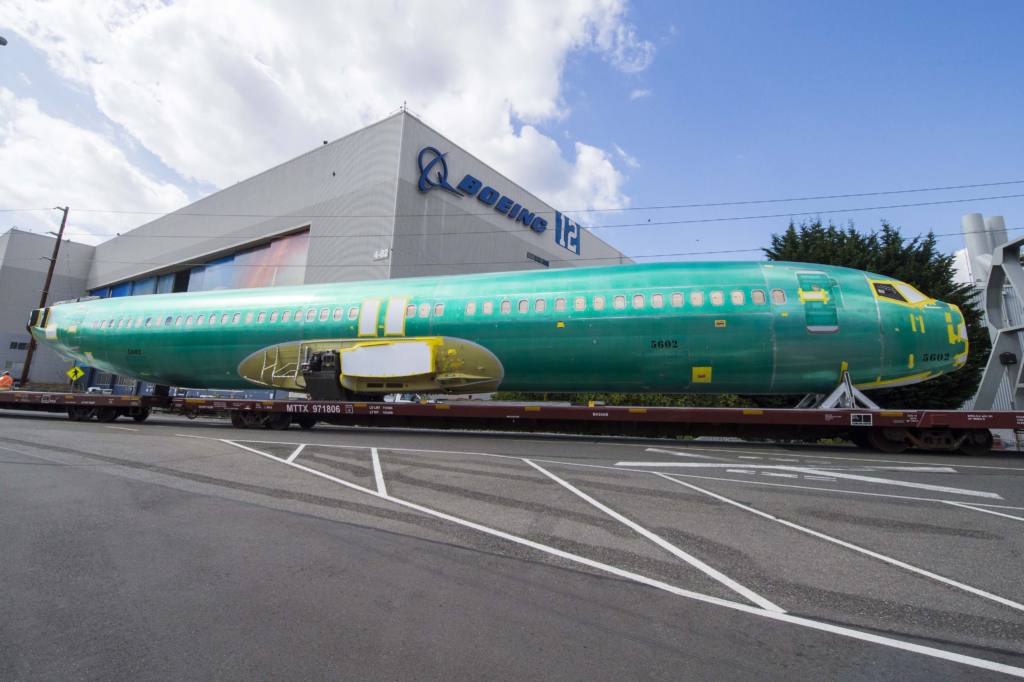
Boeing’s Broader Strategic Goals
Boeing stands out as one of the globe’s largest aerospace manufacturers and a pivotal exporter from the U.S.
The company is involved in designing and producing commercial airplanes, defense systems, and space technology for clients across over 150 countries.
Boeing continues to prioritize safety, quality, and integrity in its operations. The reintegration of Spirit AeroSystems corresponds with Boeing’s aim to streamline its production network, thereby enhancing overall manufacturing efficiency.
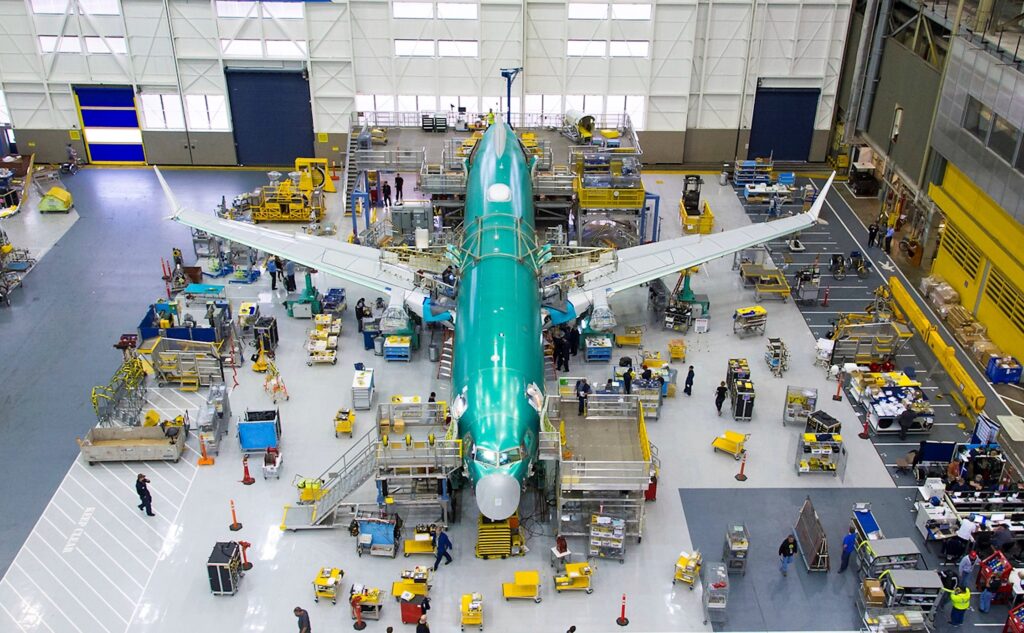
Boeing Q3 2025 Deliveries Overview
Boeing has recently reported its deliveries for the third quarter of 2025, showcasing a steady recovery in both commercial and defense sectors.
In this quarter, the company delivered 160 commercial airplanes and 32 defense units, indicating positive progress despite existing supply chain issues.
The latest delivery statistics reflect stable performance in major programs, highlighting Boeing’s gradual return to elevated production rates.
The 737 program led commercial deliveries with 121 aircraft in this quarter, followed by 24 Dreamliners, nine units of the 777, and six of the 767.
For the year to date, Boeing has successfully delivered a total of 440 commercial airplanes, illustrating ongoing demand from airlines worldwide.
Commercial Airplanes Segment
The 737 program remains a cornerstone of Boeing’s commercial division, supported by consistent demand from airlines modernizing their single-aisle fleets. The 121 aircraft deliveries this quarter contributed to a total of 330 so far in 2025, reflecting a reliable production pace.
The 787 Dreamliner also added 24 aircraft this quarter, totaling 61 for the year.
Furthermore, widebody deliveries, including the 777 and 767 programs, reached 35 aircraft this year, aiding long-haul expansions for carriers operating from major hubs like Seattle, Doha, and London.
Defense, Space & Security Segment
Boeing’s Defense, Space & Security division delivered 32 aircraft and systems in Q3 2025, bringing the cumulative total to 94 this year. This included eight new AH-64 Apache helicopters and seven remanufactured units, as well as various models of F-15 and F/A-18 aircraft.
The KC-46A Pegasus tanker program also contributed four aircraft during the quarter, supporting operations for the U.S. Air Force.
Additionally, two P-8 Poseidon aircraft and two commercial satellites were delivered, reflecting Boeing’s continued commitment to defense modernization initiatives.
Final delivery figures are still preliminary and will be confirmed with quarterly financial disclosures. Boeing underscores that quality assurance and production stability remain top priorities as it approaches the final quarter of 2025.