Spirit Airlines Faces Ongoing Challenges Following Two Bankruptcies in One Year

MIRAMAR, FLORIDA- Spirit Airlines (NK) has entered bankruptcy for the second time in under a year. This ultra-low-cost carrier is grappling with challenges that extend beyond rising operational costs and increased competition.
While elevated wages and a lack of premium services have chipped away at its cost advantage, an even more pressing issue has emerged — Spirit has made the customer experience overly complicated.
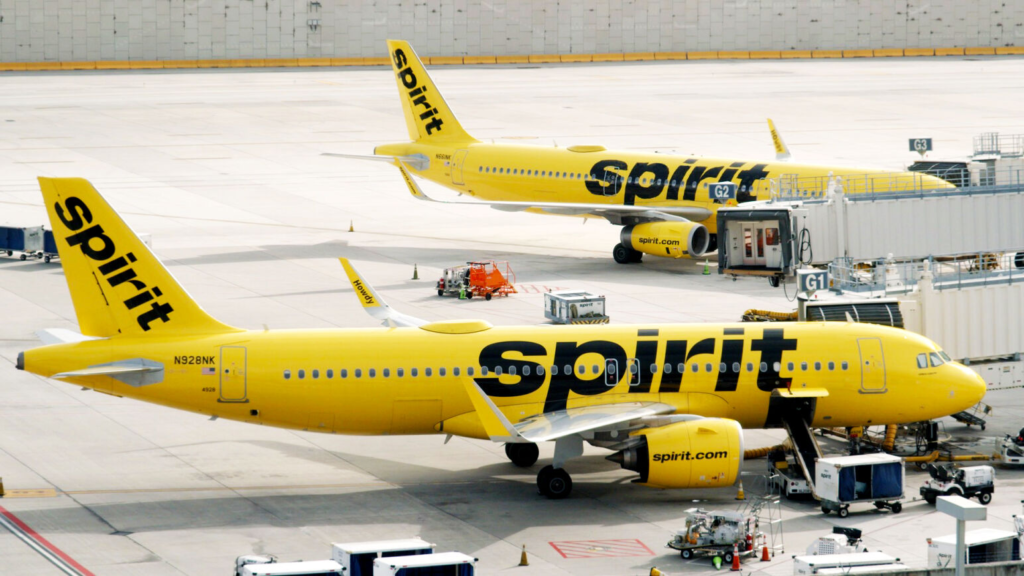
Why Spirit’s Issues Extend Beyond Costs
Spirit Airlines has long marketed itself on budget-friendly options. This strategy proved effective for years with minimal added services and competitive pricing. However, the dynamics have shifted.
After wage increases during the pandemic, operating expenses surged, and investments like a new headquarters in Miramar compromised the airline’s frugal reputation.
Additionally, travelers now favor comfort and convenience, which Spirit doesn’t adequately provide. While its “Big Front Seat” attempts to emulate first class, it falls short of what business and premium travelers desire.
Limited routes have also alienated Spirit from lucrative long-haul opportunities, especially international flights. Competing carriers, such as Delta, United, and American Airlines, now offer basic economy fares, attracting the price-sensitive customers Spirit once relied on.
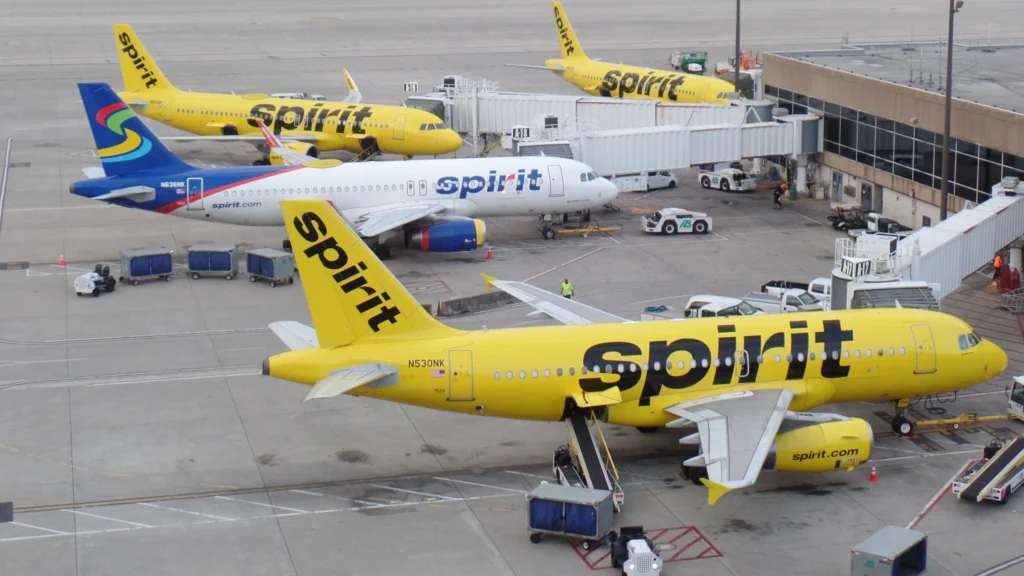
A More Fundamental Problem
Beyond financial strains lies a critical operational flaw. Spirit Airlines’ digital system poses significant hurdles for customers trying to complete transactions.
Reports of login failures, misplaced data for minor passengers, and repeated booking errors lead to frustration, forcing customers to start over. Even purchasing premium seats can be complicated, particularly when traveling with infants, as the system struggles to identify certified seating options.
Such malfunctioning systems indicate a larger issue; Spirit’s technological framework is outdated and unreliable. This inefficiency not only deters potential customers but does so independent of price or service quality.
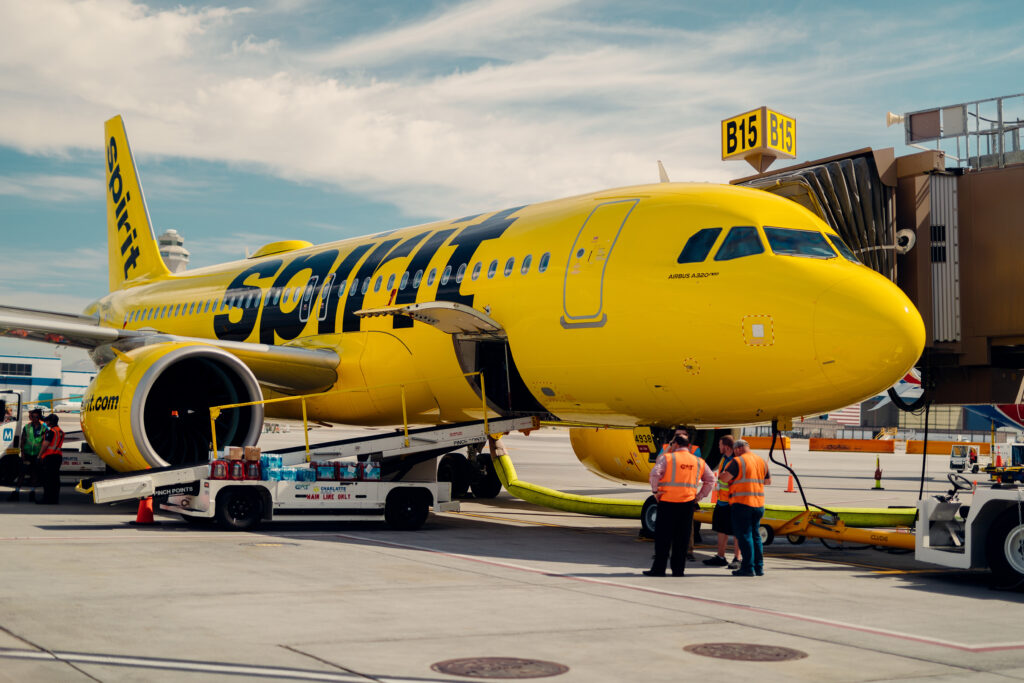
Loss of Revenue Before Departure
In the airline sector, any friction between a customer and their booking translates to a revenue loss. For Spirit, the culprit is often their own reservation system.
When users abandon their bookings due to technical issues or poor design, the airline suffers not just immediate sales losses but also long-term customer loyalty damage.
As Spirit undergoes restructuring, addressing these foundational issues—digital reliability, user-friendliness, and consistent service—may be as critical as managing its financial obligations. Low fares can only attract passengers if they can successfully complete their bookings.
What do you think Spirit Airlines should focus on to improve its operations and customer experience?