Emirates Airline Leverages AI Technology to Predict Turbulence in Flights

DUBAI- Emirates Airlines (EK) has announced a notable decrease in unexpected encounters with severe turbulence, thanks to its innovative turbulence-forecasting program, launched recently across its operations.
This initiative combines a variety of cutting-edge technologies and strategic partnerships aimed at enhancing both flight safety and passenger comfort.

Emirates’ Turbulence Forecasting Technology
Emirates has implemented a sophisticated weather-detection system that features three main components:
These integrated tools work in harmony to provide pilots and flight dispatch teams with improved situational awareness.
The IATA Turbulence Aware system compiles anonymized data from various airlines, facilitating real-time information sharing. It evaluates turbulence intensity using metrics like the eddy-dissipation-rate (EDR).
Simultaneously, SkyPath harnesses AI and machine learning to assess EDR readings, ADS-B transponder data, and even accelerometer data from iPads, enabling monitoring even in regions prone to “clear-air” turbulence.
Lido mPilot provides consistent, high-resolution data on weather and turbulence globally, incorporating cloud-convection patterns, icing risks, and visualizations accessible to pilots through electronic flight bags.
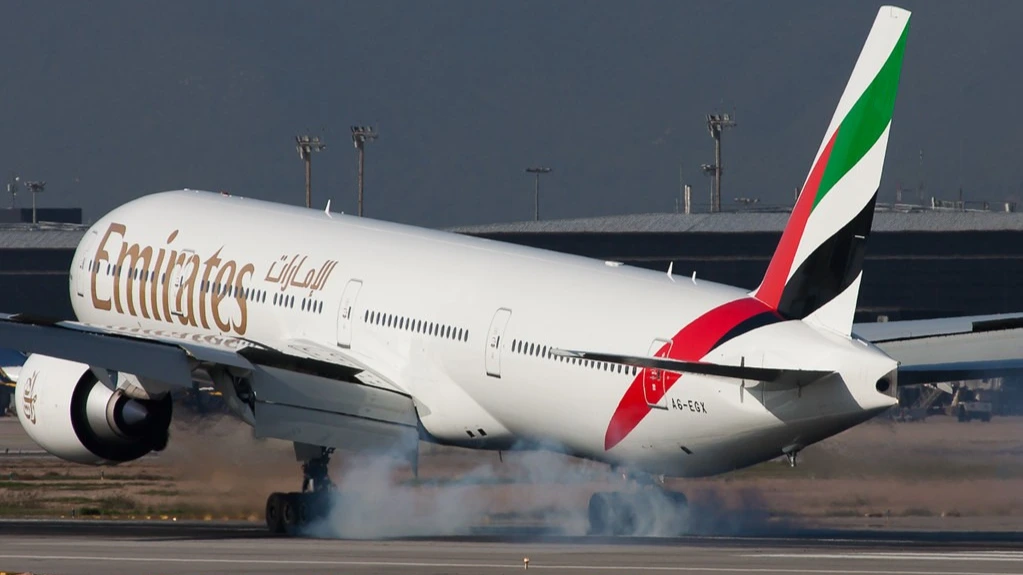
Analyzing Safety Benefits for Emirates
This integrated system enables Emirates’ operations teams to predict turbulent areas and adapt flight routes, altitudes, or speeds accordingly.
The airline claims that these advancements have already led to a “significant reduction in unexpected severe turbulence events” over the last year.
By merging predictive analytics with live turbulence reports from aircraft and collective data, Emirates enhances passenger comfort, optimizes crew conditions, and facilitates fuel-efficient routing.
The data-sharing approach also aligns with wider industry initiatives addressing the growing frequency of turbulence, which some research associates with changes in jet-stream behavior and climate factors.
Captain Hassan Alhammadi, Divisional Senior Vice President of Flight Operations at Emirates, acknowledged that while it’s unrealistic to promise a turbulence-free experience, the multi-source analytics are confirming the expected benefits.
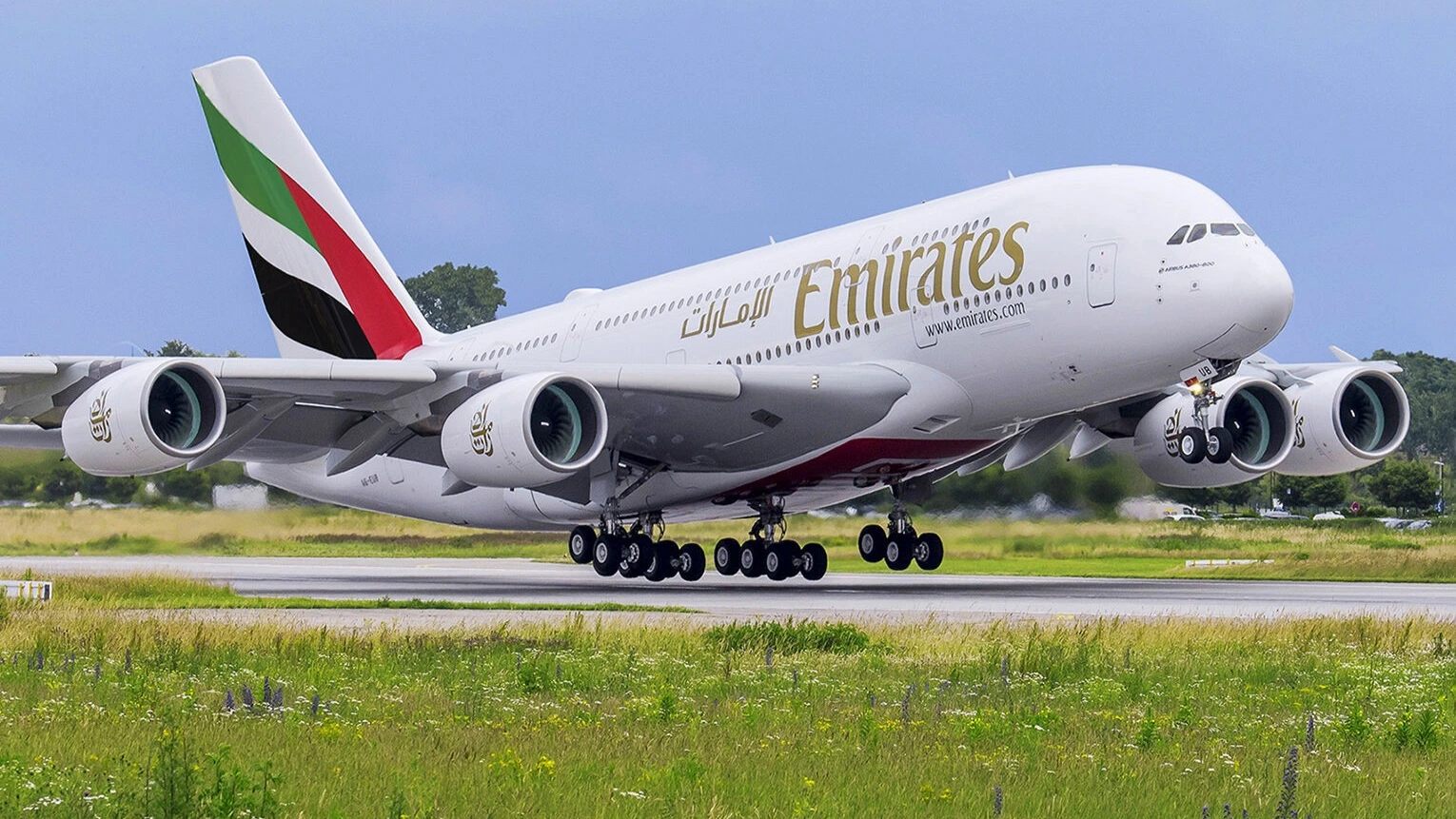
Exploring Emirates’ Technological Collaborations
Emirates embraced IATA’s Turbulence Aware platform early on, becoming the first airline to integrate it with Lido mPilot in May 2024.
They equipped over 140 aircraft with onboard technology to both contribute to and benefit from turbulence data.
The SkyPath partnership, initiated last year, enhances predictive modeling in areas with limited traditional radar coverage by utilizing crowdsourced and aircraft sensor data globally.
Captain Alhammadi highlighted that this initiative contributes to the airline’s commitment to a zero-harm safety culture and its ongoing digital transformation.
We acknowledge that turbulence continues to be a challenge that cannot be entirely eradicated. However, we are dedicated to minimizing unexpected severe turbulence incidents by collaborating with partners who share our vision of using advanced technology and AI to enhance operations.
The Bottom Line
Emirates Airlines’ use of a multi-source, AI-enhanced turbulence-forecasting system represents a proactive measure against rising operational risks in commercial aviation.
While complete prevention of turbulence is unfeasible, the airline’s tangible reduction in severe incidents illustrates the effectiveness of blending real-time data with machine learning and industry collaboration to provide safer, more enjoyable journeys for everyone involved.