NASA’s Supersonic Aircraft Successfully Achieves First Flight Milestone

PALMDALE- In a significant milestone for the aviation industry, the X-59 QueSST demonstrator, crafted by Lockheed Martin Skunk Works in collaboration with NASA, successfully took off from Air Force Plant 42 in Palmdale and landed near Edwards Air Force Base in California.
This sub-sonic test flight was crucial for assessing initial flying characteristics and laying the groundwork for quieter supersonic travel. Designed to reach speeds up to Mach 1.4 and altitudes of around 55,000 feet, the aircraft aims to minimize the disruptive sonic boom to a soft “thump.”
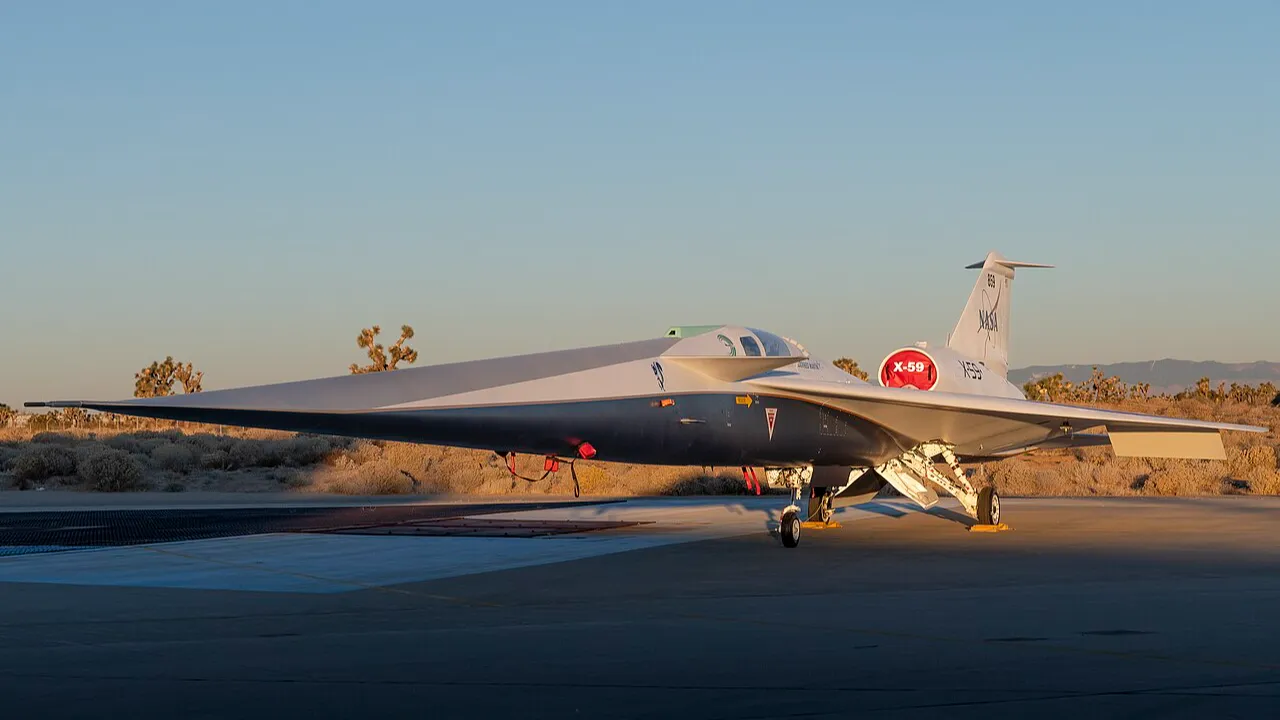
NASA X-59 Supersonic Flight
The X-59 took off from Plant 42’s runway early on October 28, 2025, under controlled conditions. It ascended to about 12,000 feet, achieving a speed of around 230 mph, staying comfortably below the threshold for supersonic flight during its initial sortie.
On landing near NASA’s Armstrong Flight Research Center, the pilot successfully validated the control systems and air-data performance.
Lockheed Martin and NASA confirmed that the flight proceeded “exactly as planned,” emphasizing baseline system integrity and readiness for expansion in future envelopes:
We are thrilled to achieve the first flight of the X-59… This aircraft exemplifies the innovation and expertise of our combined team, positioning us at the forefront of quiet supersonic technology development.
This mission marks a shift from ground evaluations to testing in low-boom supersonic flight.
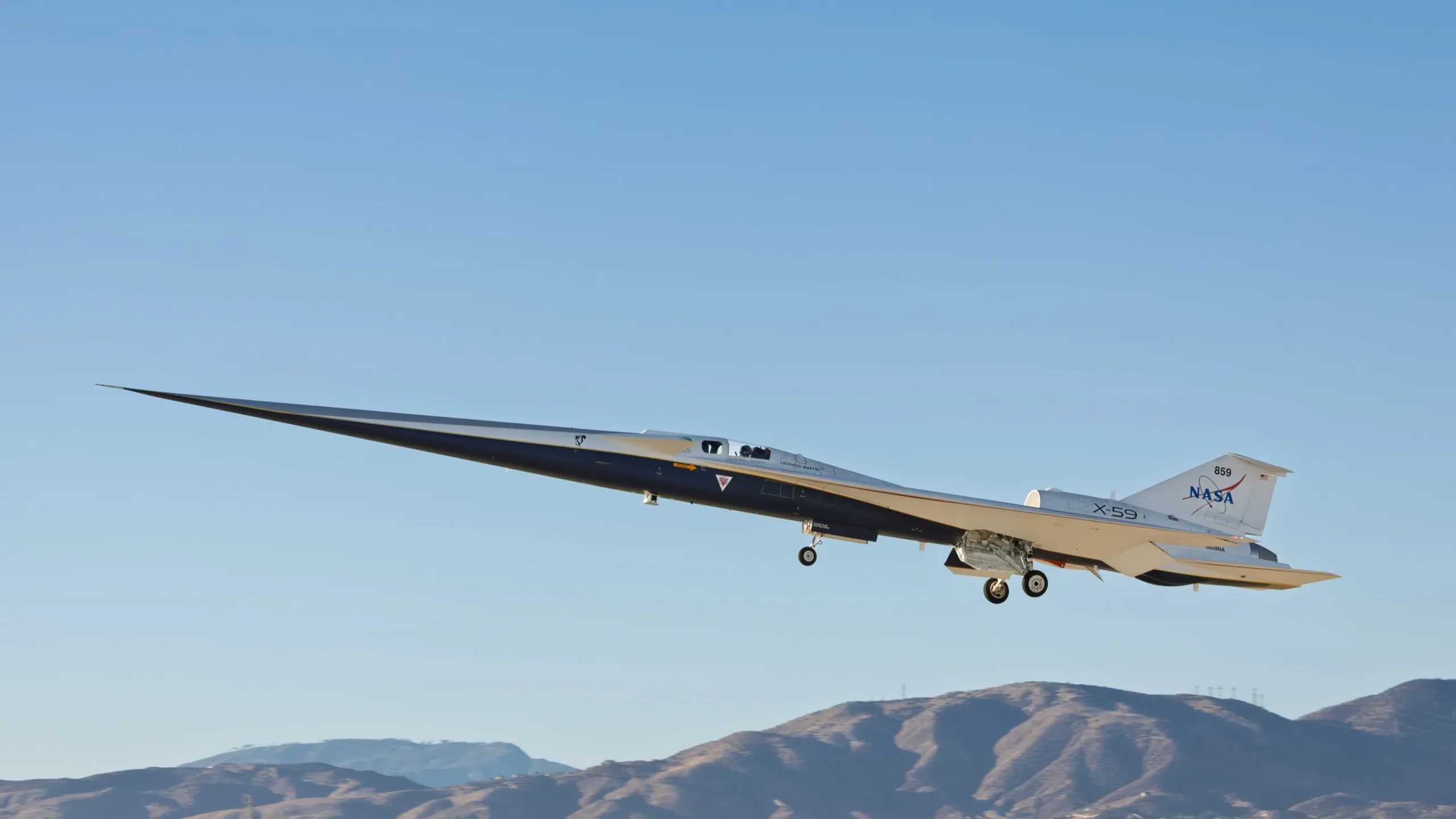
Quiet Supersonic Technology
A key innovation of the X-59 is its ability to surpass the speed of sound without producing a disruptive sonic boom that has historically limited supersonic commercial aviation.
Conventional supersonic transports faced restrictions over land because sonic-boom noise levels exceeded acceptable thresholds for communities. The X-59’s unique design—an elongated nose, specialized fuselage, and integrated engine—aims to redirect shock waves, resulting in noise levels comparable to that of a car door slamming.
This advancement not only positions the X-59 as a faster aircraft but also as a pivotal factor in potential regulatory changes.
Data gathered from its validation campaigns may support modifications in noise thresholds by aviation authorities, such as the Federal Aviation Administration (FAA) and the International Civil Aviation Organization (ICAO), potentially facilitating routine overland supersonic operations.
X-59’s Commercial Implications for Aviation
The success of this demonstrator signals the potential to significantly reduce long-haul travel times in the commercial aviation sector. After the initial flight, Sean Duffy, acting NASA Administrator, remarked:
The X-59 is a testament to American ingenuity. It reflects our drive to go farther, faster, and quieter than ever before, sustaining America’s leadership in aviation and revolutionizing how the public travels.
Cruising at approximately 925 mph (Mach 1.4), the X-59 could cover trans-oceanic distances in just three to four hours, a considerable reduction from the seven to eight hours currently required.
Airlines and aircraft manufacturers are monitoring developments closely, as the operational model for supersonic travel could reemerge with significantly improved noise and fuel-efficiency metrics.
Major aviation hubs like London, New York, and Singapore could soon be connected in remarkably shorter time frames, transforming both business and premium leisure travel.
Additionally, cargo operators may explore high-speed logistics possibilities with quiet supersonic options if certification and economic feasibility are established.
Programme Roadmap and Challenges
Following this initial flight, the X-59 program will progress through a series of tests, which include supersonic runs, acoustic measurements, and community-response overflight missions.
The aircraft’s flight envelope will expand to include higher speeds and altitudes, culminating in supersonic cruising at around 55,000 feet. NASA anticipates that community acceptance flights over selected U.S. cities will kick off in 2026, with data aimed at informing regulatory proposals by 2028.
Challenges persist, as scaling from a demonstrator to a fully operational commercial airliner presents obstacles related to costs, certification, fuel consumption, and the necessary infrastructure adjustments.
Operators will seek evidence regarding maintenance protocols, regulatory alignment, and return-on-investment for initial small fleets. Nonetheless, the successful first flight of the X-59 opens new avenues for overcoming these challenges.
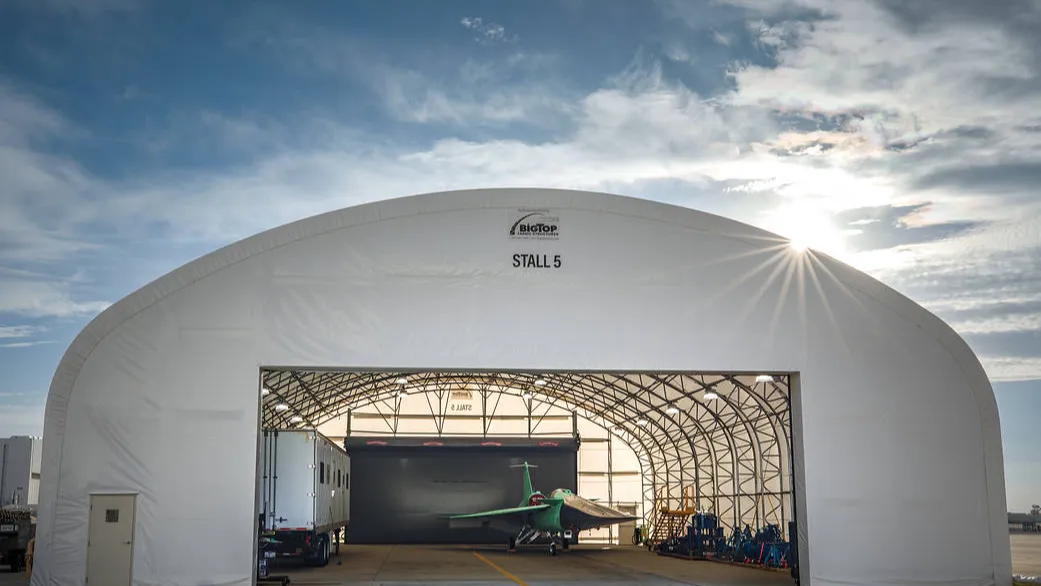
X-59 Specifications and Design Insights
| Specification | Detail |
|---|---|
| Aircraft Name | X-59 QueSST (Quiet SuperSonic Technology) |
| Manufacturer | Lockheed Martin Skunk Works, in partnership with NASA |
| Length | 99.7 ft (30.4 m) |
| Wingspan | 29.5 ft (9.0 m) |
| Height | 14 ft (4.3 m) |
| Maximum Speed | Mach 1.4 (approx. 925 mph / 1,488 km/h) |
| Service Ceiling | 55,000 ft (16,764 m) |
| Engine | 1 × General Electric F414-GE-100 turbofan |
| Crew | 1 (pilot) |
| Noise Level | ~75 PLdB (Perceived Level decibels) |
| First Flight | October 28, 2025 – Palmdale (PMD), California |
The engineering of the X-59 focuses on achieving quiet supersonic flight while maintaining aerodynamic efficiency. A standout feature is its External Vision System (XVS), which utilizes advanced cameras and displays to replace traditional cockpit windows.
This system aggregates views from sensors facing forward and downward, producing a real-time visual feed shown on cockpit monitors, allowing for precise visibility while maintaining the aircraft’s streamlined design.
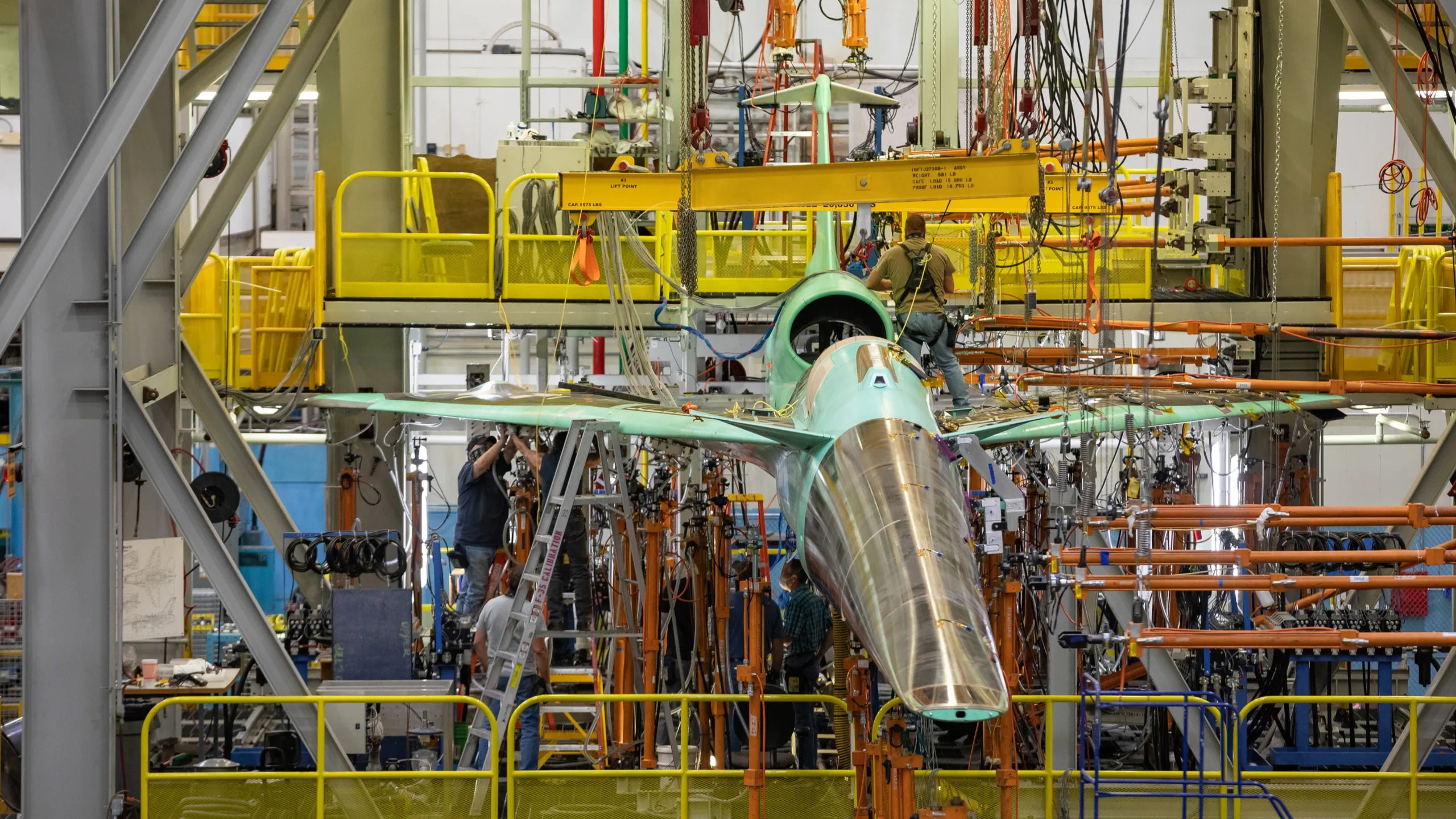
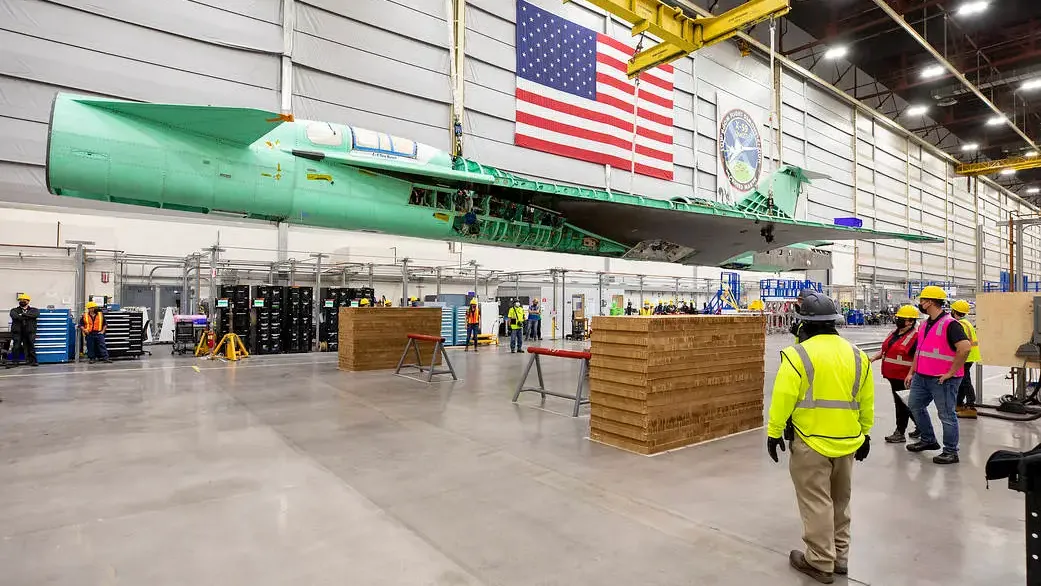
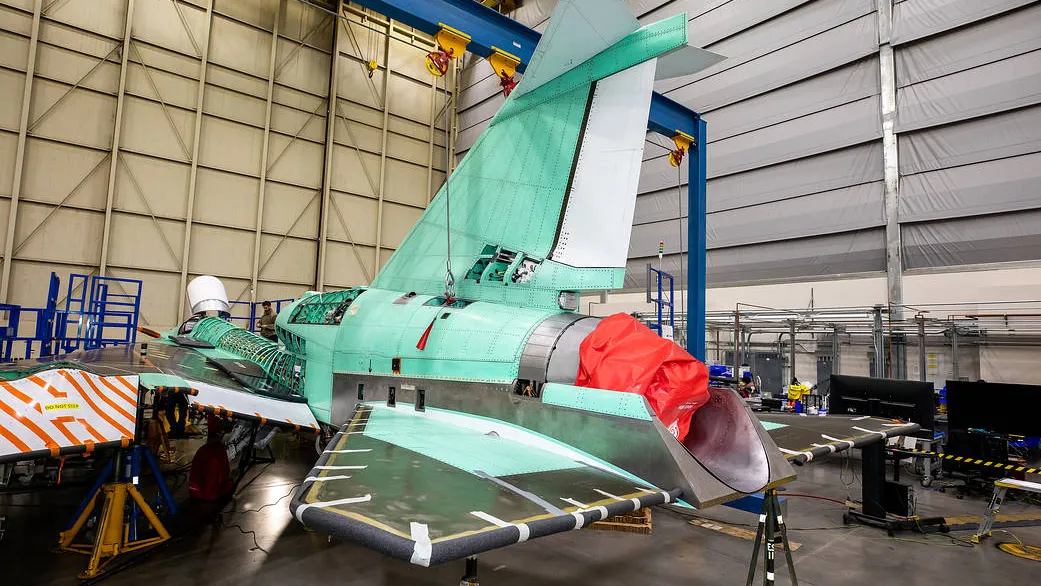
Employing lightweight composite materials and large, merged skins reduces the number of parts and boosts structural strength.
Elements like landing gear, ejection seat, and environmental systems draw from validated military aircraft, including the F-16 and T-38, simplifying production and certification.
The lengthy nose cone and uniquely shaped fuselage are designed to manipulate shock waves, preventing their fusion into a disruptive sonic boom and resulting in a softer “sonic thump.”
With digital flight controls, efficient aerodynamic design, and a commitment to minimizing community noise, the X-59 symbolizes a technological leap forward. Its data is poised to influence future regulations, reviving safe, quiet, and commercially viable supersonic travel over land.
Bottom Line
The X-59’s successful inaugural flight marks more than an engineering accomplishment—it signifies the dawn of a new era in supersonic aviation that intertwines speed, sustainability, and sound.
By proving that it can fly past Mach 1 with noise levels manageable for communities, the X-59 has paved a realistic path toward the resurgence of commercial supersonic flights over populated areas.
In the upcoming months, Lockheed Martin and NASA will perform a series of increasingly complex flight tests to assess aerodynamic performance, acoustic profiles, and public reactions to the aircraft’s low-boom signature.
These community response studies will be crucial in persuading regulatory bodies like the FAA and ICAO to revisit the existing bans on supersonic flights over land. If successful, these changes could reshape global air travel standards within the next decade.