21 European Airlines Commit to Honest Sustainability Practices

BRUSSELS– In response to growing scrutiny over “greenwashing” claims, approximately 21 European airlines have vowed to enhance the accuracy of their environmental messaging. Leading this initiative are major carriers such as Lufthansa (LH) and KLM (KL).
This commitment aligns with the European Union’s increasing focus on ensuring that travelers receive truthful information regarding airline sustainability practices. A new framework has been introduced by the EU’s Consumer Protection Cooperation Network, mandating airlines to clarify their environmental assertions.
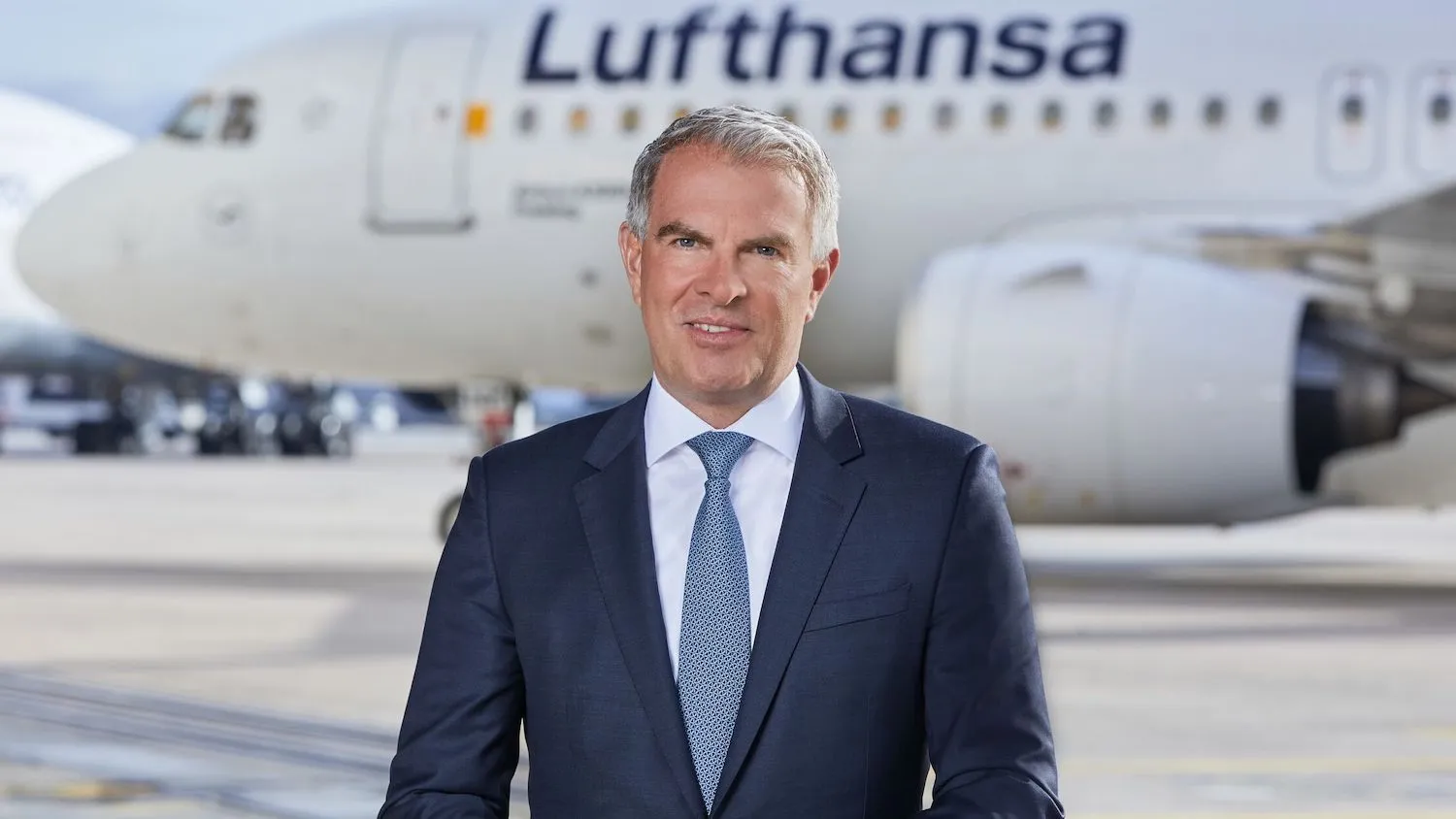
Commitments from 21 European Airlines
Many airlines in Europe have historically promoted “green fares” or sustainable aviation fuel, leading to misunderstandings regarding their impact on offsetting emissions from flights.
Consequently, the 21 airlines have agreed to improve clarity in their marketing and avoid ambiguous terminology that might confuse customers.
Marketing claims suggesting that buying a “green fare” can directly negate carbon emissions will no longer be allowed. This commitment aims to help passengers accurately assess the environmental implications of their journeys.
Alongside Lufthansa and KLM, Air France, Finnair, and EasyJet have also signed onto this initiative. Other undersigned carriers include Ryanair, Norwegian, TAP, SAS, SWISS, Brussels Airlines, Volotea, Vueling, Luxair, Eurowings, Air Dolomiti, Transavia, and Air Baltic.
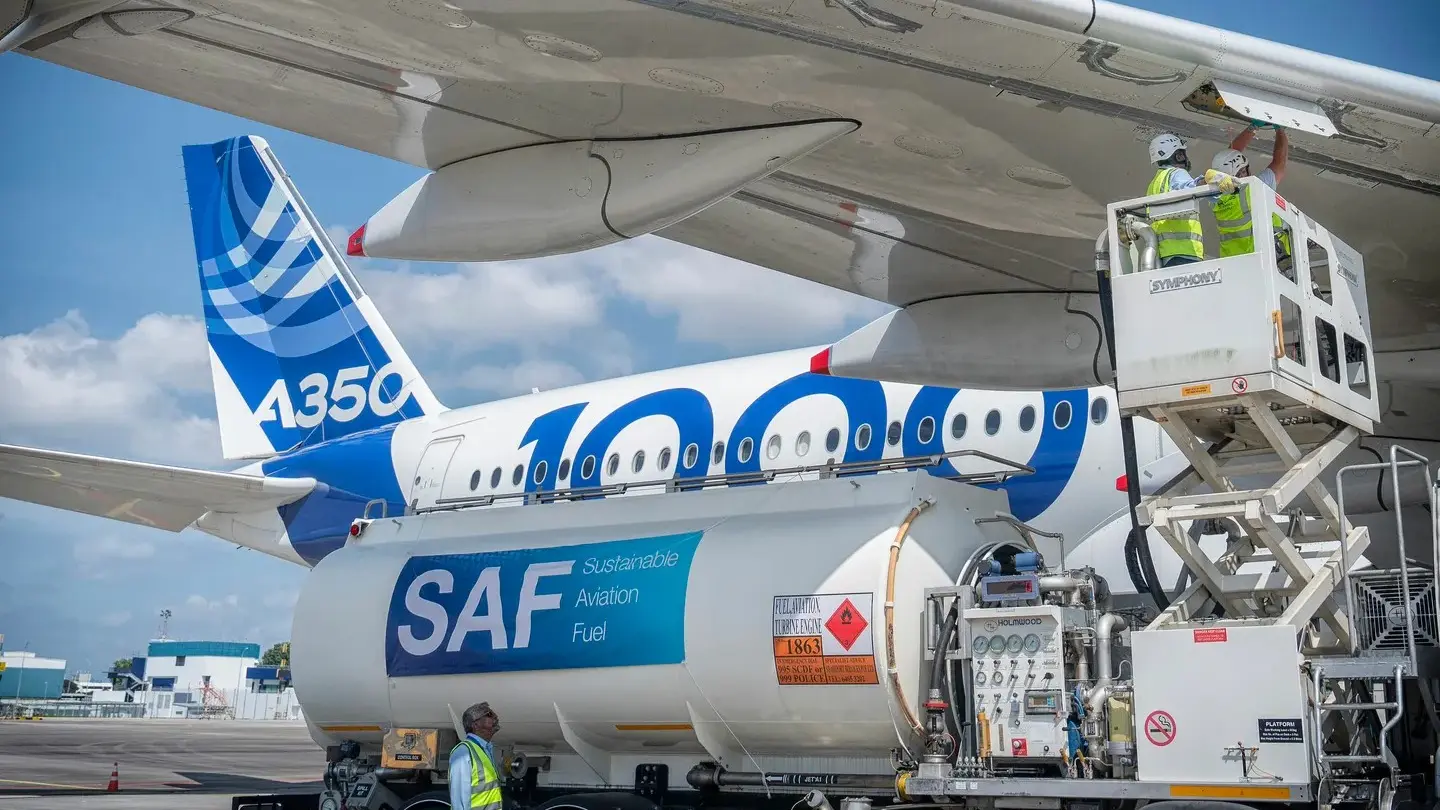
Concerns About Greenwashing in Europe
Airlines have faced mounting criticism for exaggerating their sustainability efforts over the years. Claims regarding sustainable fuels and carbon-neutral flights often lacked transparency and could not be substantiated.
As a result, consumers have started to challenge the credibility of these assertions, leading to greater regulatory scrutiny. According to reports:
The airline’s current marketing does not explicitly point out that these fares do not apply to specific individual flights, and only recently rolled out the scheme across its worldwide route network. Sold as completely separate fares, consumers are told that when they buy a Business Green fare, they will be making a more sustainable choice by using sustainable aviation fuels.
Airlines will now need to clearly distinguish between general sustainability initiatives and specific carbon offset programs. This differentiation will help passengers understand that a ticket labeled “green” does not necessarily mean it will lead to lower emissions for their specific flight.
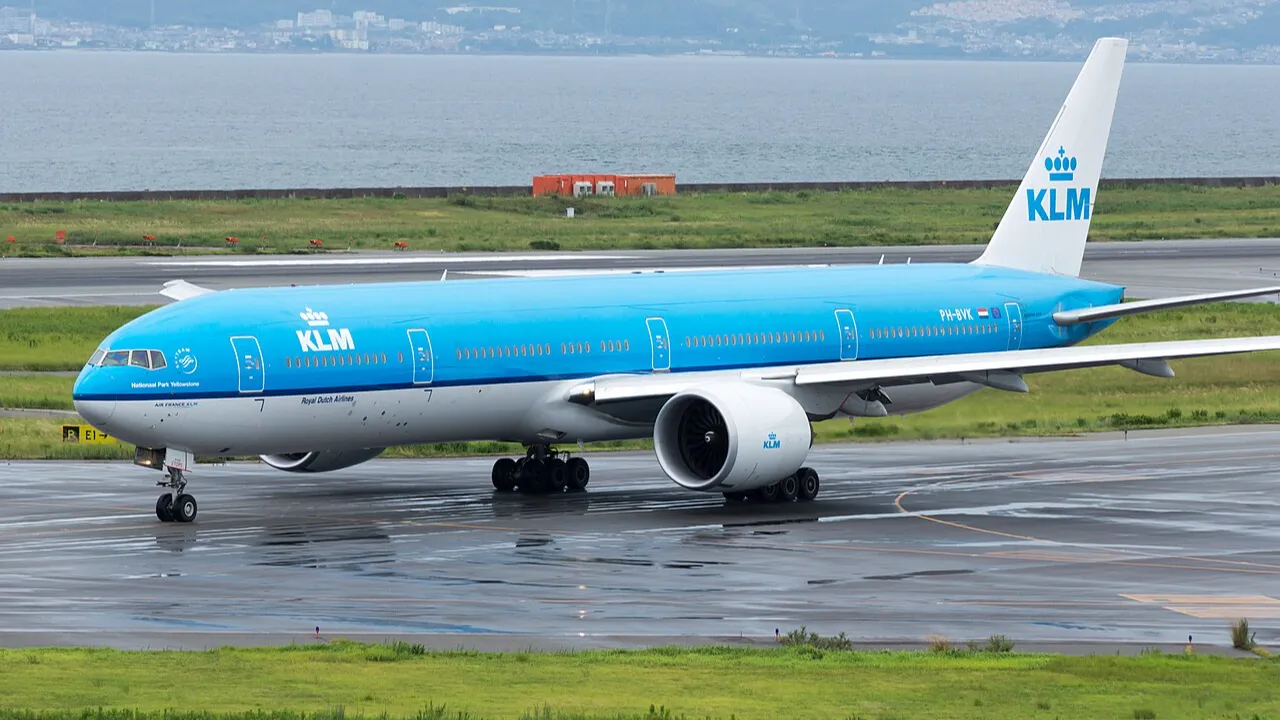
https://commons.wikimedia.org/wiki/File:KLM_Royal_Dutch_Airlines,_B777-300,_PH-BVK_(20434222134).jpg
Steps Toward Implementation
Airlines are now set to perform internal evaluations of their promotional content, including their websites, booking systems, and advertising strategies, to ensure sustainability messages are accurate.
Compliance teams will oversee that terms like “carbon-neutral flight” and “green fare” are only used in instances where emission offsets can be properly traced and verified.
Carrier platforms will also feature transparent sustainability reports, detailing metrics such as fleet fuel efficiency improvements, sustainable aviation fuel adoption rates, and corporate carbon reduction successes.
Passengers will gain insight into specific emissions offsets and the initiatives contributing to their overall environmental impact.
Regulatory authorities will require airlines to compile annual reports for the EU Consumer Protection Cooperation Network, documenting amendments to marketing phrases, improvements in passenger communication, and measurable carbon emissions reductions achieved by the airline.
This will promote accountability while ensuring adherence to the framework that prevents misleading environmental claims.
Conclusion
Major European airlines, including those from the Lufthansa Group and KLM, are making strides toward transparent environmental claims, especially as the aviation sector contributes roughly 2.5% of global CO₂ emissions.
With regulations like ReFuelEU Aviation aiming for 70% usage of sustainable aviation fuels by 2050, the industry is aligning its marketing with attainable decarbonization objectives.
Ultimately, this shift will provide passengers with clearer, verifiable information regarding sustainable travel. The leading airlines are paving the way for a more trustworthy and sustainable future in aviation.