
Saudi Arabia Invests $142 Billion in 48 Top-Tier Fighter Jets

Saudi Arabia’s Progress on F-35 Purchase
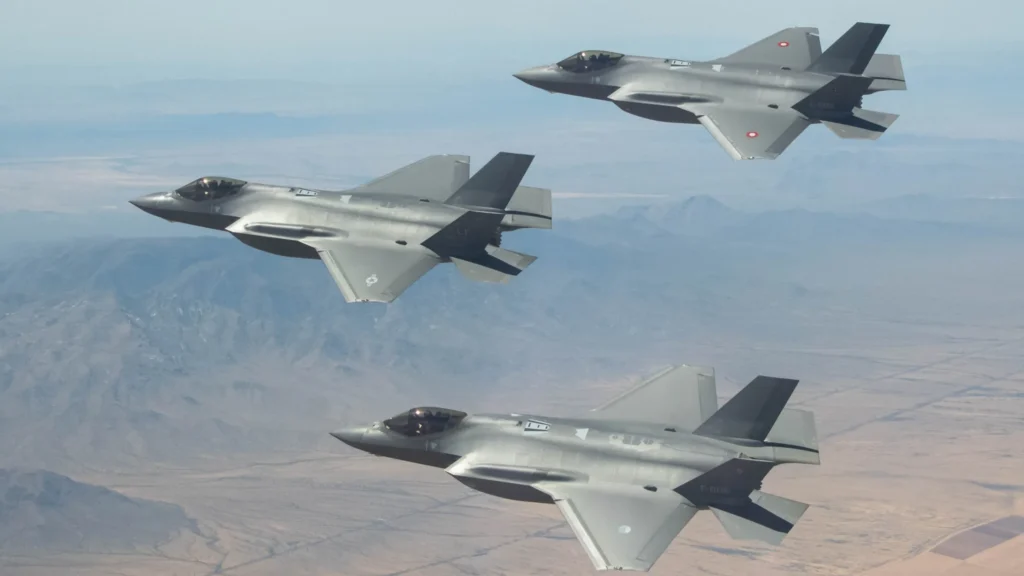
Reports indicate that Saudi Arabia’s bid for acquiring F-35 Lightning II stealth fighters is moving forward within the Pentagon. If this deal goes through, it would mark Saudi Arabia as the first Arab nation to operate a fifth-generation stealth aircraft, modifying the regional military landscape previously dominated by Israel.
This potential arms sale aligns with former U.S. President Donald Trump’s defense policies, which previously endorsed a substantial $142 billion arms package for Saudi Arabia. While the F-35 was not part of that initial package, ongoing negotiations have propelled the matter to the Defense Secretary’s office, indicating considerable progress.
Initial Interest and Reviving Discussions
Saudi Arabia formally expressed its interest in 48 F-35s back in 2017. Initial hesitation from Washington cited the need to maintain Israel’s military superiority in the region, but interest seems to be rekindling. Discussion around the proposal has been ongoing within the Pentagon for months, and the deal now awaits high-level approvals, including potential backing from Trump and appropriate notifications to Congress.
Significantly, the F-35’s potential sale is intertwined with broader diplomatic initiatives. Some reports suggest that the U.S. might coordinate the aircraft sale with a normalization deal between Saudi Arabia and Israel. Although previous attempts to establish such ties faltered amidst renewed violence in Gaza in 2023, there are indications that normalization could be leveraged to expedite the fighter jet acquisition.
Saudi Arabia’s Evolving Air Power
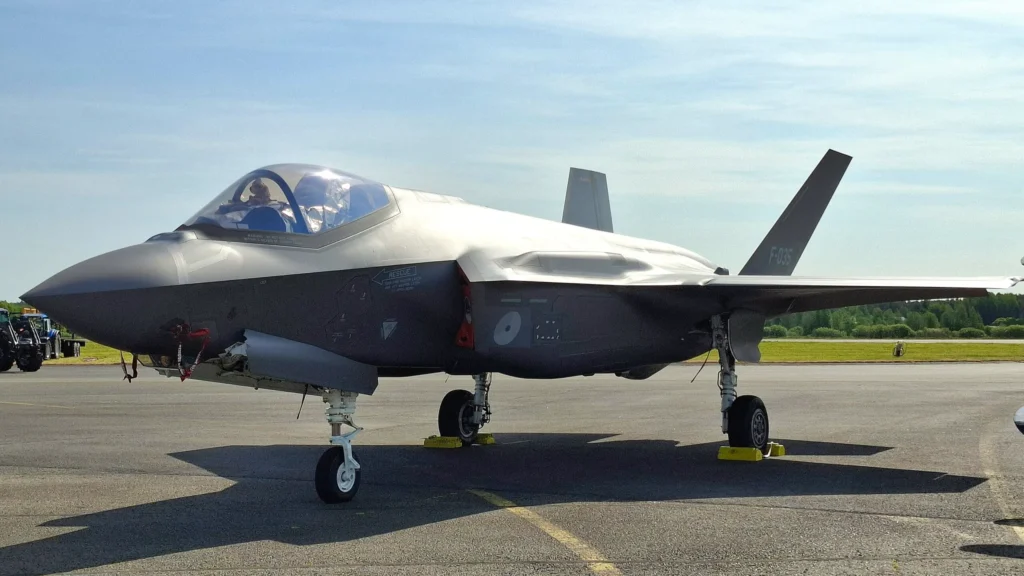
The Royal Saudi Air Force (RSAF) already possesses an advanced fleet featuring aircraft like the F-15SA, Eurofighter Typhoon, and Panavia Tornado. The move toward acquiring F-35s aligns with Riyadh’s strategy to bolster its military capabilities amid escalating regional tensions.
Although Saudi Arabia has considered alternatives like Turkey’s KAAN stealth fighter, the F-35’s advanced capabilities and compatibility with Western defense systems could make it the preferred choice.
Israel’s Current Dominance and Concerns
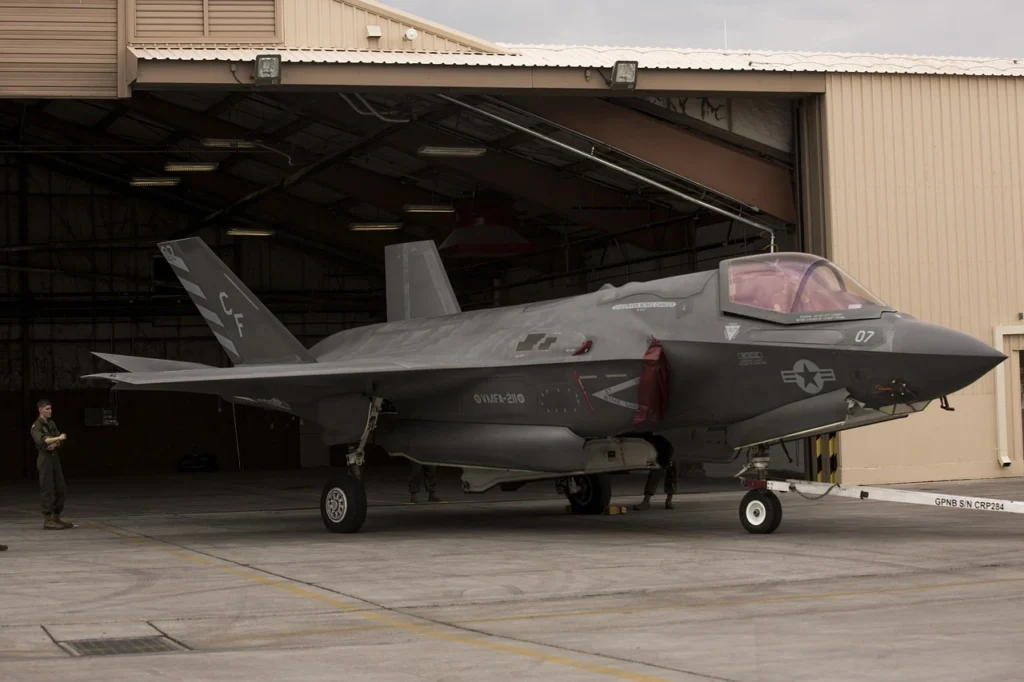
Israel currently operates the F-35 with modified variants known as F-35I “Adir,” utilized in combat missions against Iranian targets. Israel maintains that it must preserve military superiority under U.S. regulation, which precludes the transfer of similar systems to neighboring countries.
Israeli officials have expressed trepidation about the implications of F-35 sales to Saudi Arabia. There are concerns that technology transfers could risk compromising sensitive systems, leading some Israeli analysts to propose limiting the capabilities of any Saudi variant.
Exploring Alternatives and Future Prospects
If the F-35 deal experiences setbacks, Saudi Arabia has viable alternatives. Germany’s recent lifting of constraints on Eurofighter sales and France’s Rafale remain strong contenders for enhancing the RSAF’s fleet.
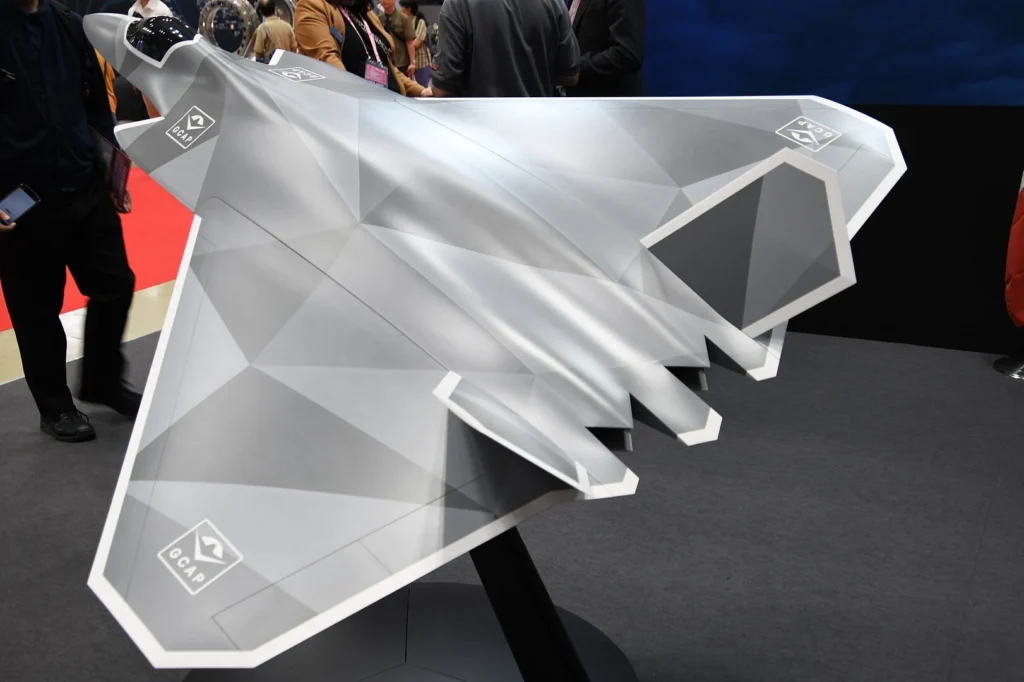
Saudi Arabia could also consider engaging with the Global Combat Air Programme (GCAP), a sixth-generation fighter initiative spearheaded by the UK, Japan, and Italy. Such involvement would provide Riyadh a stake in cutting-edge aerospace technologies, ensuring military balance in light of any potential delays in U.S. approvals.
What are your thoughts on Saudi Arabia’s potential F-35 acquisition and its implications for regional stability?
Similar Posts
EVA Air Launches New Premium Economy Service to Exciting US City
TAOYUAN- EVA Air (BR) has unveiled a new nonstop route linking…
Thai AirAsia X Reduces Japan Flights and Suspends Routes to Shanghai and Riyadh
Thai AirAsia X Reduces Japan Flights and Suspends Routes to Shanghai…
Skytrans Airlines Transforms into SmartLynx Australia: What You Need to Know
SmartLynx Australia: A New Chapter for the Airline Australian airline Skytrans…

TUI Boeing 737 Nose Gear Collapses at Brussels Airport
On January 8, 2025, a TUI Airways Boeing 737 experienced a nose gear collapse while parked at Brussels Airport, with no passengers on board and no injuries reported. The aircraft, registered as OO-JAR, had just arrived from Málaga. TUI is conducting an investigation to determine the cause but has stated that no technical issues are involved. This incident follows a previous mishap in December 2024, involving a flight attendant’s fall at East Midlands Airport. Similar incidents in aviation highlight the need for stringent maintenance and safety protocols. Investigations are ongoing, with the aviation community awaiting further insights.
Edelweiss Air Boosts A320neo Fleet with Five Ex-Lufthansa Aircraft
Edelweiss Air, the leisure airline based in Zurich and part of…

Japan Airlines Faces Cancellations and Delays from Cyberattack
Japan Airlines (JAL) experienced significant operational disruptions on December 26 due to a cyberattack targeting its network equipment, coinciding with the peak winter travel season. This incident caused ticket sales to be suspended and widespread flight delays, affecting numerous passengers. JAL identified a malfunctioning router as the issue and took measures to ensure flight safety. Shares of JAL dropped by 2.5% following the news. This cyberattack follows similar incidents in the airline industry, highlighting vulnerabilities in technology systems. JAL is implementing emergency protocols and keeping passengers informed as it works to restore operations.