Ryanair’s CEO Slams Austria’s €12 Aviation Tax, Mulls Vienna Airport Cuts

DUBLIN— Ryanair’s CEO Michael O’Leary has ramped up his criticism of Austria’s aviation tax policies, labeling Chancellor Christian Stocker as “lazy” in light of ongoing disputes surrounding the country’s flight taxes.
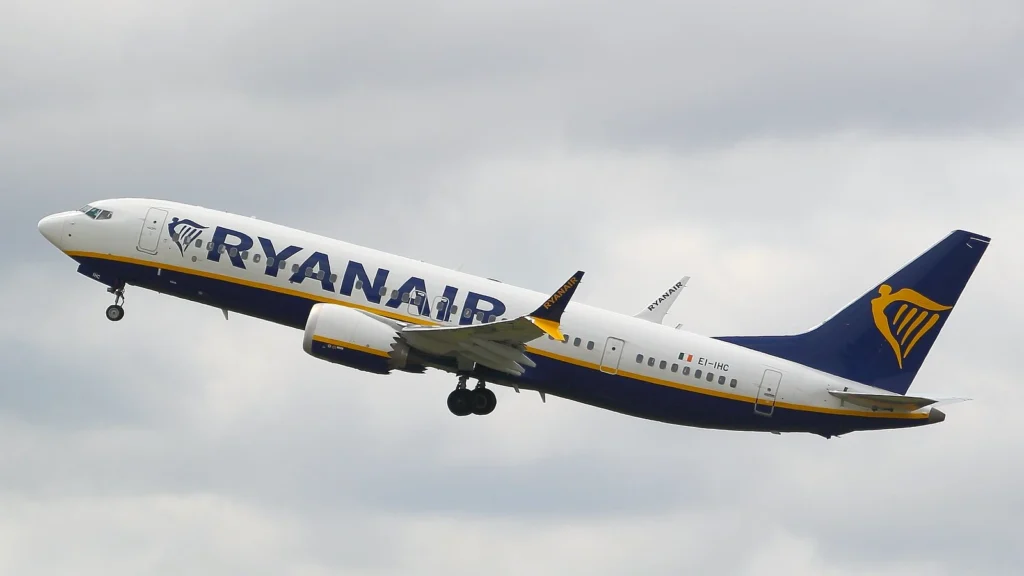
These tensions heightened when Ryanair announced a reduction in its operations at Vienna International Airport (VIE) due to high airport fees. O’Leary criticized the €12 per passenger aviation tax, one of the highest in Europe, claiming it has pushed several budget airlines to rethink their strategies in Austria.
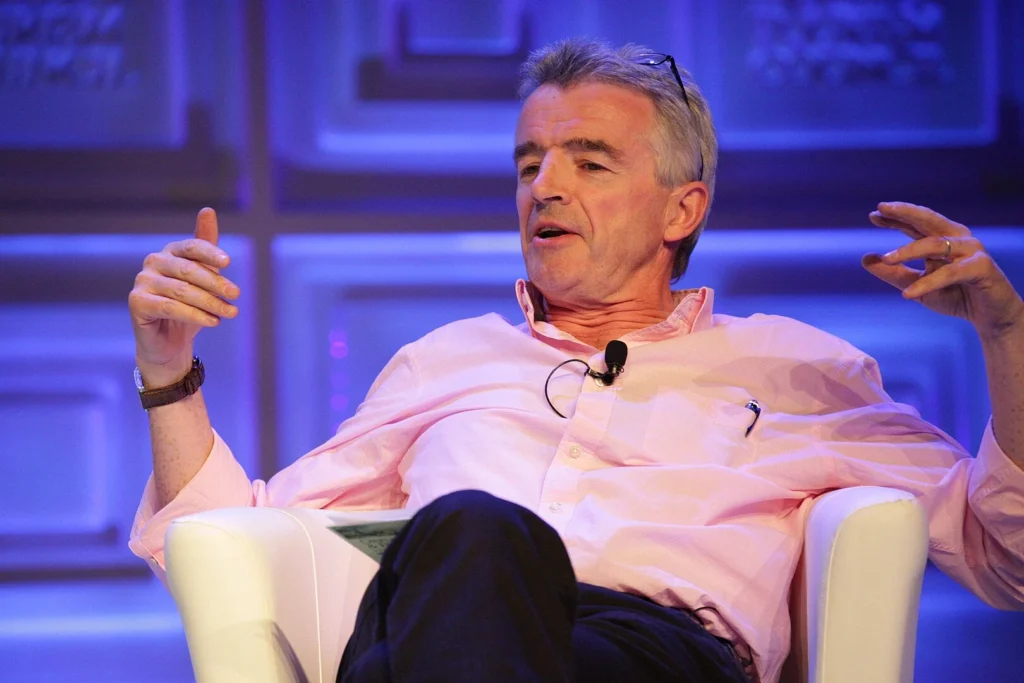
Ryanair’s CEO Critiques Austria
The friction began in September when Ryanair chose to cut back its presence at Vienna International Airport (VIE), blaming exorbitant airport fees and the burdensome aviation tax that was first introduced in 2010 and later increased in 2020.
This €12 fee per passenger ranks among Europe’s top three highest aviation taxes, significantly altering the competitive landscape for low-cost carriers like Ryanair.
O’Leary disclosed that Ryanair had proposed a €1 billion investment plan to the Austrian government aimed at establishing ten additional Boeing 737 aircraft in Vienna, intending to create over 500 jobs. He lamented that Chancellor Stocker and Infrastructure Minister Peter Hanke showed minimal interest in the proposal.
According to O’Leary, Stocker responded to the investment plan by stating it was “interesting” and promised to provide feedback by the end of September, a response that never materialized. Hanke was also criticized for failing to continue discussions, despite previous assurances.
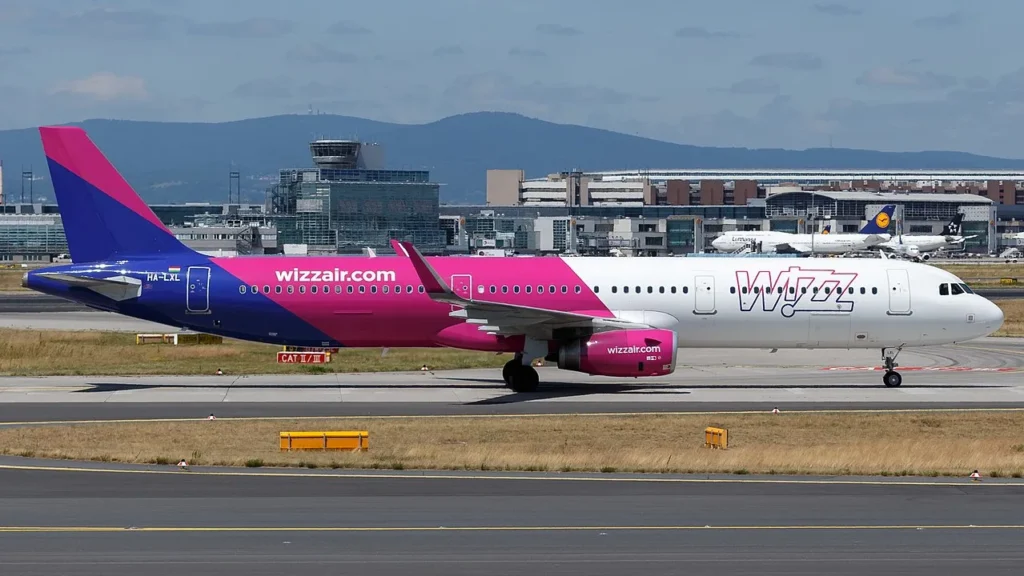
Impact on Austria’s LCC Market
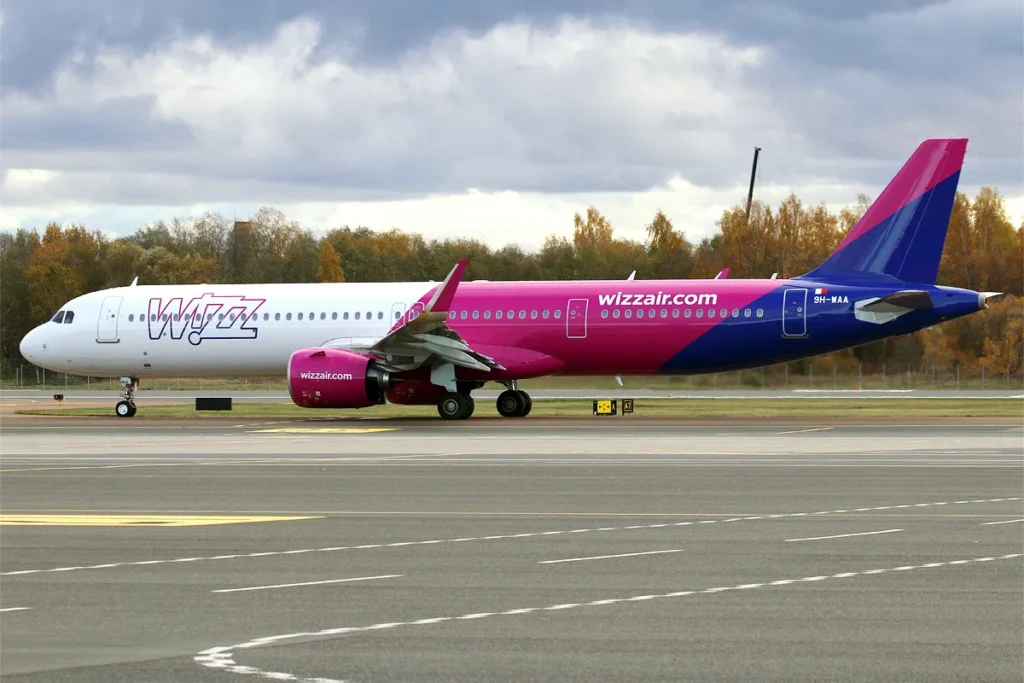
Ryanair’s issues resonate with those of Wizz Air, which has announced plans to close its Vienna base by 2026, relocating both aircraft and staff to more cost-effective locations.
Both airlines contend that Austria’s aviation tax stifles growth, deters investments, and directs traffic to nearby airports with lower fees, such as Bratislava (BTS).
O’Leary remarked, “The planes will go where they are more profitable,” hinting at the likelihood of Bratislava and other Central European airports absorbing the traffic lost from Vienna.
Despite the rising tensions, the Austrian government has indicated no intentions to amend its tax policies. Hanke’s ministry reiterated that the current tax structure will remain unchanged through 2025 and 2026, citing adherence to EU regulations on airport access costs.
Background: Austria’s Aviation Tax Evolution
Austria implemented its air passenger tax in 2010 under a coalition between the Social Democrats (SPÖ) and the Austrian People’s Party (ÖVP).
Initially, the tax was set at €7 for most European routes but saw an increase in 2020 to €12 per passenger for intra-European flights and €30 for shorter flights under 350 km.
In 2024, the tax generated approximately €170 million for the government, underscoring its fiscal significance, even amidst increasing pushback from the airline sector.
Political Reactions
O’Leary’s forthright remarks have stirred significant attention in Austria, where direct criticisms toward public officials are rare among corporate leaders.
In response, Minister Hanke suggested that O’Leary was “confusing blackmail with negotiations” and claimed that formal discussions regarding the tax policy were never revived.
Chancellor Stocker’s office opted not to address the situation. Aviation analysts warn that without a revision of Austria’s aviation tax policies, the country risks losing air traffic to neighboring nations with preferable fee structures, particularly Slovakia and Hungary.