High-Risk Nation Expands Its Air Force with 100 New Rafale Fighter Jets

PARIS- Ukraine has officially established a plan to procure up to 100 Rafale F4 fighters from France. This agreement was finalized during a visit to Paris, where discussions also included an evaluation of Sweden’s Gripen E jets, part of a comprehensive strategy to modernize Ukraine’s military capabilities with support from Air France (AF) logistical channels.
This announcement comes shortly after Kyiv expressed interest in acquiring as many as 150 Gripen E jets. This strategic shift indicates a commitment to modernizing its aging combat fleet and enhancing long-term air defense capacity.
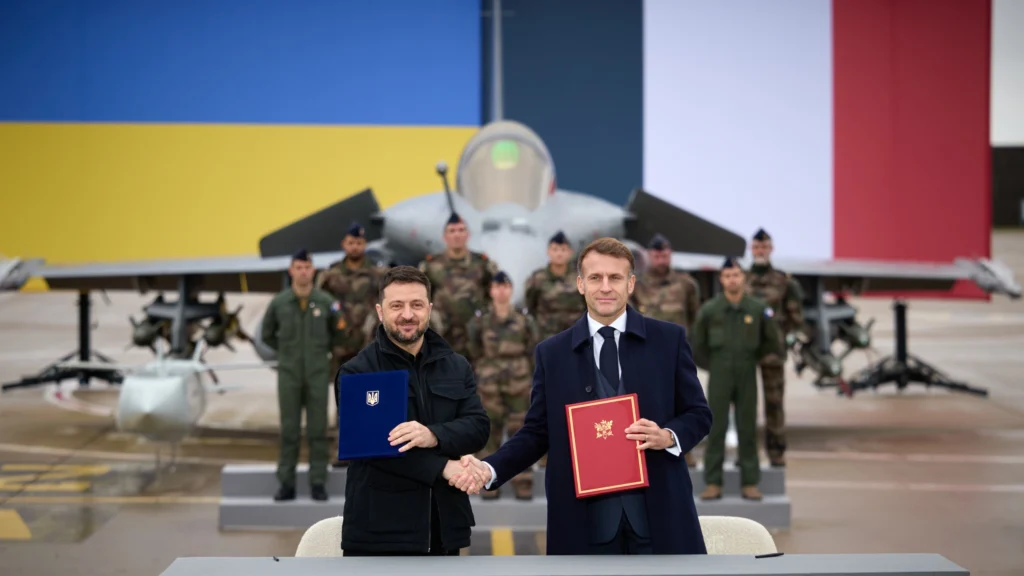
Ukraine’s Acquisition of 100 Rafale Jets
The defense cooperation between France and Ukraine has strengthened with a letter of intent that outlines the prospect of Rafale F4 acquisitions over the next decade.
While this document signifies a political commitment rather than a binding contract, it sets the stage for ongoing collaboration in combat aviation, drone interception, and air defense development.
The agreement was signed by Ukrainian President Volodymyr Zelensky and French President Emmanuel Macron at Villacoublay Air Base, underscoring the critical role that France’s advanced fighter aircraft will play in Ukraine’s modernization strategy.
Previous military support from France includes the SAMP/T air defense systems and Mirage 2000-5F fighters.
French authorities have pointed out that SAMP/T systems have performed exceptionally well, particularly against unpredictable Russian missile threats—reinforcing the urgency to enhance layered air defenses.
Integrating Western fighters like the Rafale into its force structure is essential for Ukraine to transition away from Soviet-era aircraft.
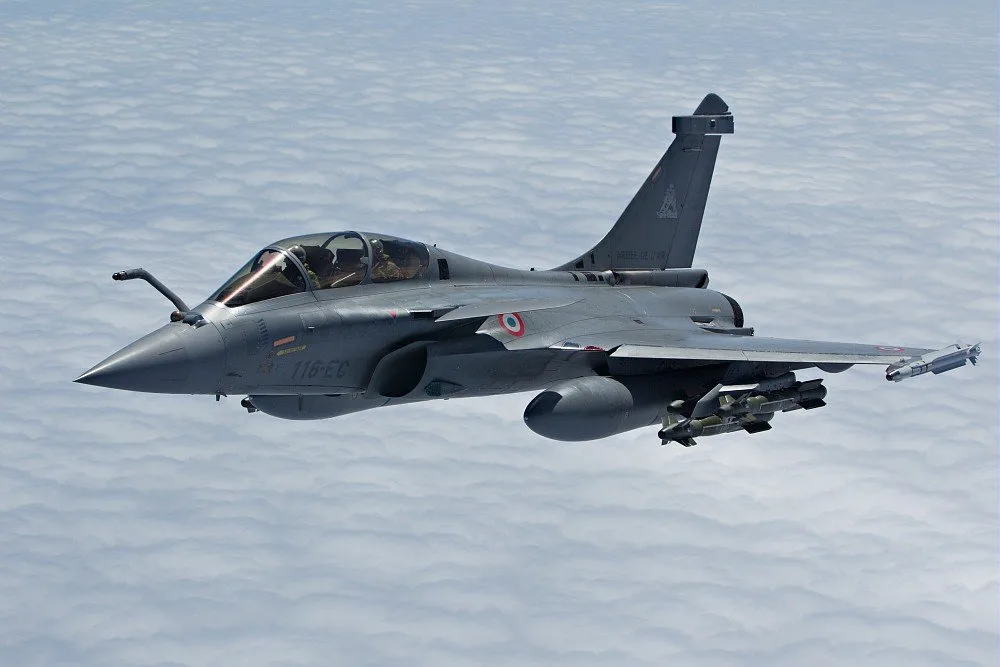
The Rafale F4’s advanced capabilities feature optimized avionics, improved sensors, and an array of modern weaponry such as Mica NG and AASM Hammer. These features align with Ukraine’s objective for precision strikes and versatile missions.
Costs, Delivery Timelines, and Production Complexities
Financially, acquiring Rafales presents a significant challenge; export deals, such as the UAE’s 2021 order, were valued at 16 billion USD for 80 aircraft, excluding weaponry.
France has proposed financing through EU channels and frozen Russian assets, but these funding avenues are yet to be confirmed. Political instability in France further complicates a procurement plan that extends to 2035.
Production capacity is another factor limiting immediate availability. Dassault Aviation is currently fulfilling large orders while working on the Rafale F5 upgrade, which is meant to set the stage for the next generation of European fighters as part of the FCAS initiative.
A purchase by Ukraine would not only compete with existing commitments but also necessitate new training infrastructure and support systems.
Similar challenges exist with Sweden’s Gripen E proposal, where officials indicate a three-year wait for new jets. Consequently, swift deliveries would likely depend on obtaining secondhand Gripen C/D models. The possibility of acquiring secondhand Rafales has not yet been explored.

Strategic Collaborations
Zelensky and Macron also discussed the progression of a multinational initiative to deploy troops near Ukraine’s borders contingent on a peace agreement.
This effort, led by France and the United Kingdom, could involve around 30 nations. However, implementation hinges on achieving a ceasefire, which Russia has shown little interest in pursuing.
Regardless of these challenges, Ukraine aims to bolster its long-term defense capabilities. The combination of Rafales, Gripens, and Western support systems exhibits a commitment to establishing a robust air force, even amidst unresolved timelines and funding issues.

Dassault Rafale: The Omnirole Fighter Jet
The Rafale program, developed by Dassault Aviation, is pivotal to France’s quest for military autonomy. It embodies a national strategy focused on maintaining control over advanced air combat systems.
The aircraft was designed to fulfill comprehensive air superiority and strike operations, facilitating operational independence.
Its versatility allows it to conduct air dominance, deep strikes, reconnaissance, nuclear deterrence, and long-range missions in a single flight, making it a cornerstone of France’s defense doctrine.
Continuous upgrades enable the Rafale to adjust to new threats without depending on external suppliers.
This operational flexibility is illustrated by its successful deployments beyond French borders, offering both France and allied nations a tactical advantage.
Its design philosophy emphasizes maintaining autonomy in military decisions, ensuring that operators have full control over mission planning and future upgrades.
Impact on Industrial and Technological Sovereignty
The Rafale program sustains a vast industrial network, creating thousands of specialized jobs in aviation, electronics, and engineering disciplines.
Every domestic or international order bolsters the Defense Industrial Base, reshaping France’s strategic capabilities.
The program fosters innovation in various sectors and secures industrial competencies critical for long-term national resilience.
Global Integration and Strategic Influence
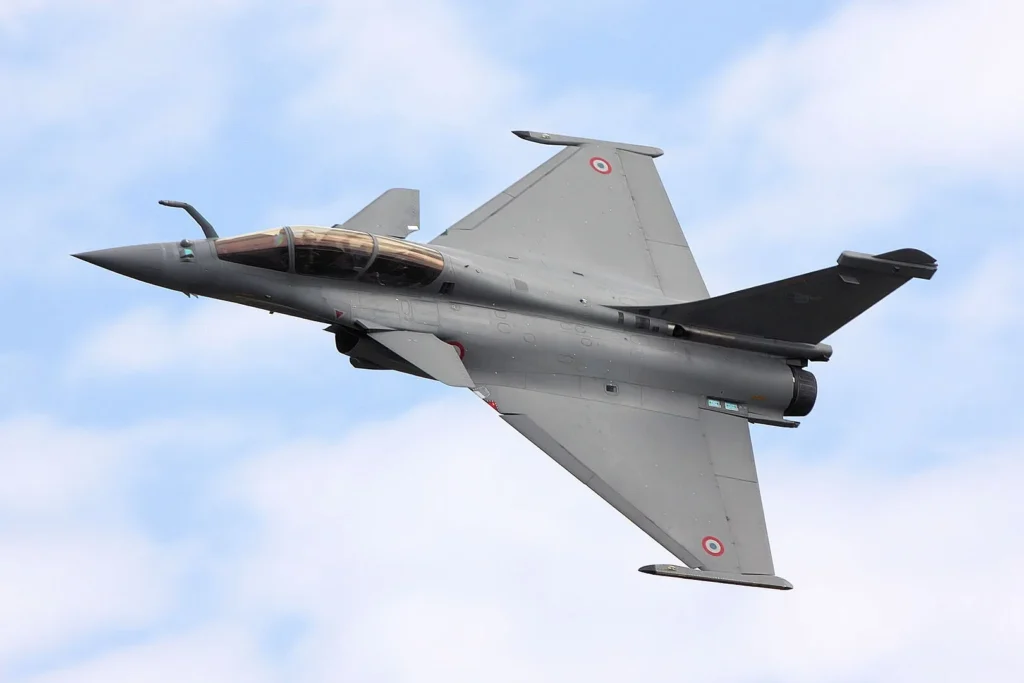
Eight nations have chosen the Rafale for their military requirements. Active commitments come from Egypt (55 aircraft), India (36 Air Force and 26 naval variants), Qatar (36 units), Greece (24, including refurbished jets), Croatia (12 former French Air and Space Force models), the UAE (80 units), Indonesia (42), and Serbia (12).
For these nations, the Rafale serves a similar strategic function as it does for France, enhancing regional authority and enabling operational autonomy.
Design Principles and Operational Efficiency
The Rafale C, B, and M variants share significant commonality in design and systems. They were built around four foundational principles: versatility to switch between mission types mid-flight, interoperability for seamless allied cooperation, flexibility for quick transitions between various operational tasks, and survivability, characterized by low signatures and robust electronic warfare capabilities.
Replacing seven legacy platforms, the Rafale acts as a force multiplier for modern conflicts. Its results in recent operations demonstrate its capability in high-intensity warfare while addressing the needs of air forces for enhanced effectiveness with fewer resources.
Long-Term Strategic Perspective
The Rafale is set to remain a cornerstone of the French military beyond 2060. Its adaptability, consistent upgrade path, and broad operational scope ensure it will continue offering a strategic edge in an ever-evolving geopolitical landscape.
As this dynamic situation unfolds, how do you see the integration of advanced fighter jets like the Rafale shaping Ukraine’s defense strategy?