Etihad COO Shares Insight on Fleet Strategy and $1 Billion Revamp Plans

On the second day of the Dubai Airshow 2025, Etihad Airways made a significant announcement regarding its fleet. The airline revealed plans to acquire numerous widebody Airbus aircraft, which includes both direct purchases and several acquisitions through the leasing firm Avolon.
Among the orders, there was a notable addition of six A350-1000 aircraft and three A350 freighters. However, the spotlight was particularly on the order for 15 A330neo aircraft, marking the comeback of the A330 to Etihad’s lineup.
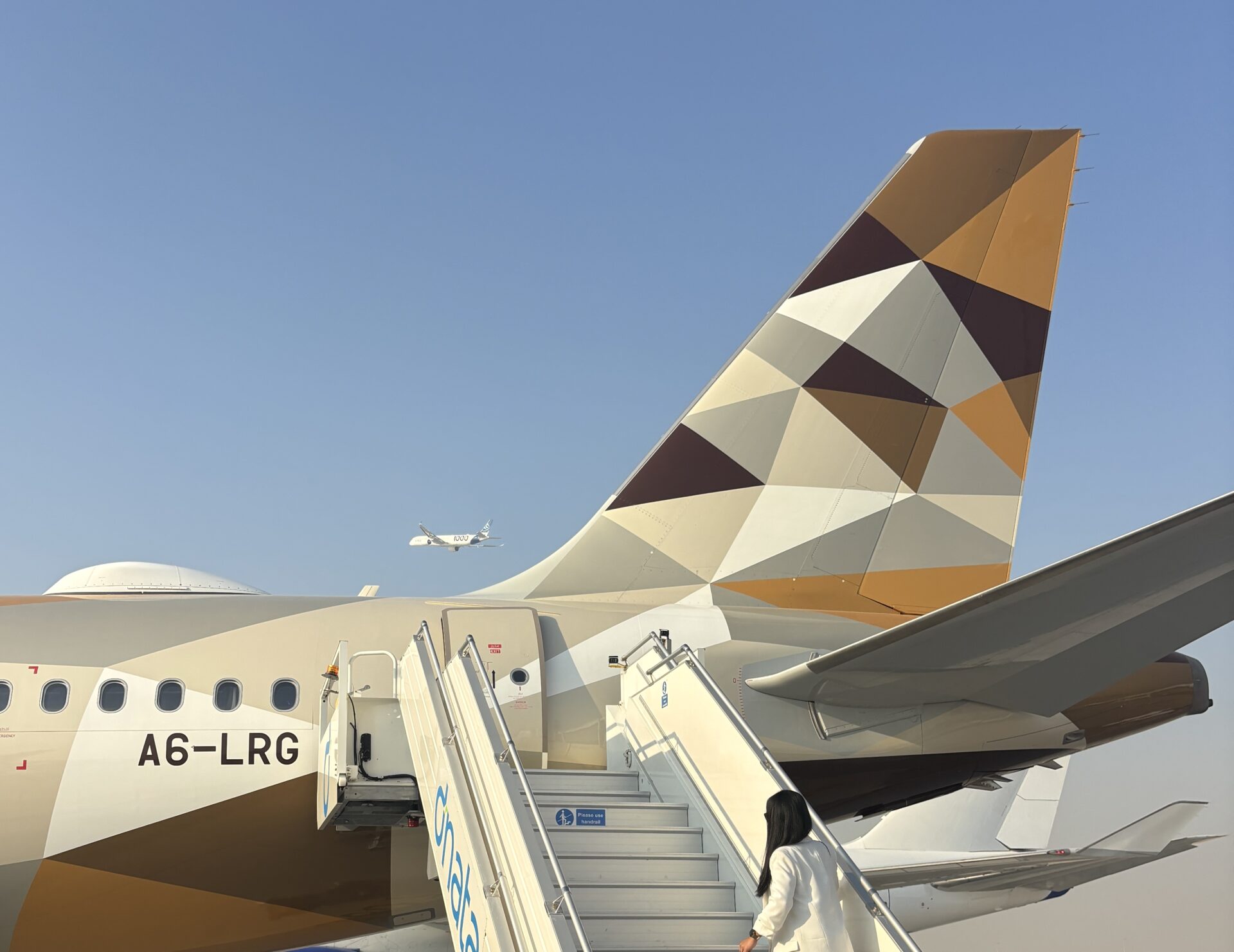
This new version, the A330-900neo, is a modern take on a model that the airline operated until 2021 with its earlier variants—the A330-200 and A330-300. The A330neos will enhance the diversity of Etihad’s fleet, which recently included the first A321LR aircraft as well, showcased appealingly at the static display during the airshow.
At the Dubai Airshow 2025, AeroTime had the opportunity to converse with Capt. Majed Al Marzouqi, Etihad’s Chief Operations and Guests Officer (COO). He shared insights on the airline’s fleet strategies, emphasizing how these decisions are pivotal to sustaining the profitability that Etihad has pursued since CEO Antonoaldo Neves took the helm.
Improving Efficiency for Profitability
Al Marzouqi highlighted that enhancing efficiency has been crucial to the airline’s financial success. As of early November 2025, Etihad reported a remarkable profit of Dh1.7 billion ($463 million) for the first nine months, reflecting a 26% increase compared to the same timeframe in 2024.
A key factor contributing to this improvement was the opening of the new terminal at Zayed International Airport (AUH) in Abu Dhabi. This state-of-the-art facility not only elevates the passenger experience but also optimizes runway usage, reducing taxiing and turnaround times, leading to an impressive daily aircraft utilization rate of about 14 hours.
Investing in advanced efficiency-enhancing technologies has also played a significant role. Al Marzouqi pointed out that AI-driven initiatives are already yielding benefits, particularly in monitoring and minimizing fuel consumption. Collaborative pilot programs with GE Aerospace have shown promising results in this area.
These collective efforts have culminated in some notable achievements, such as Etihad becoming the first airline globally to reduce aircraft auxiliary power unit (APU) usage to less than one hour daily.
Strategic Fleet Planning
Capt. Al Marzouqi expressed praise for the A321LR, which has only been in service for a few weeks but has demonstrated “outstanding performance.” He noted that customer satisfaction ratings for this narrowbody aircraft rival those of widebodies.
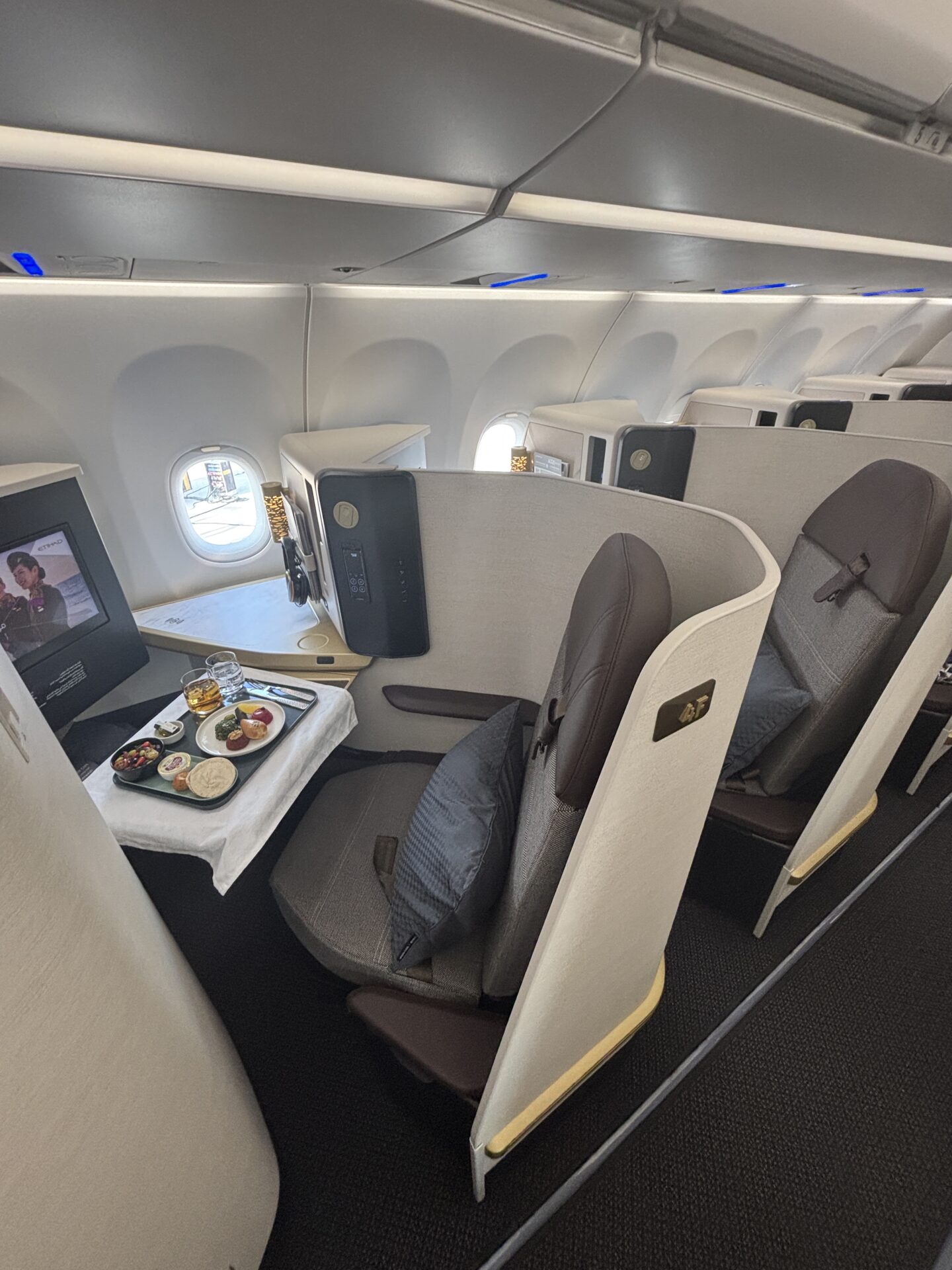
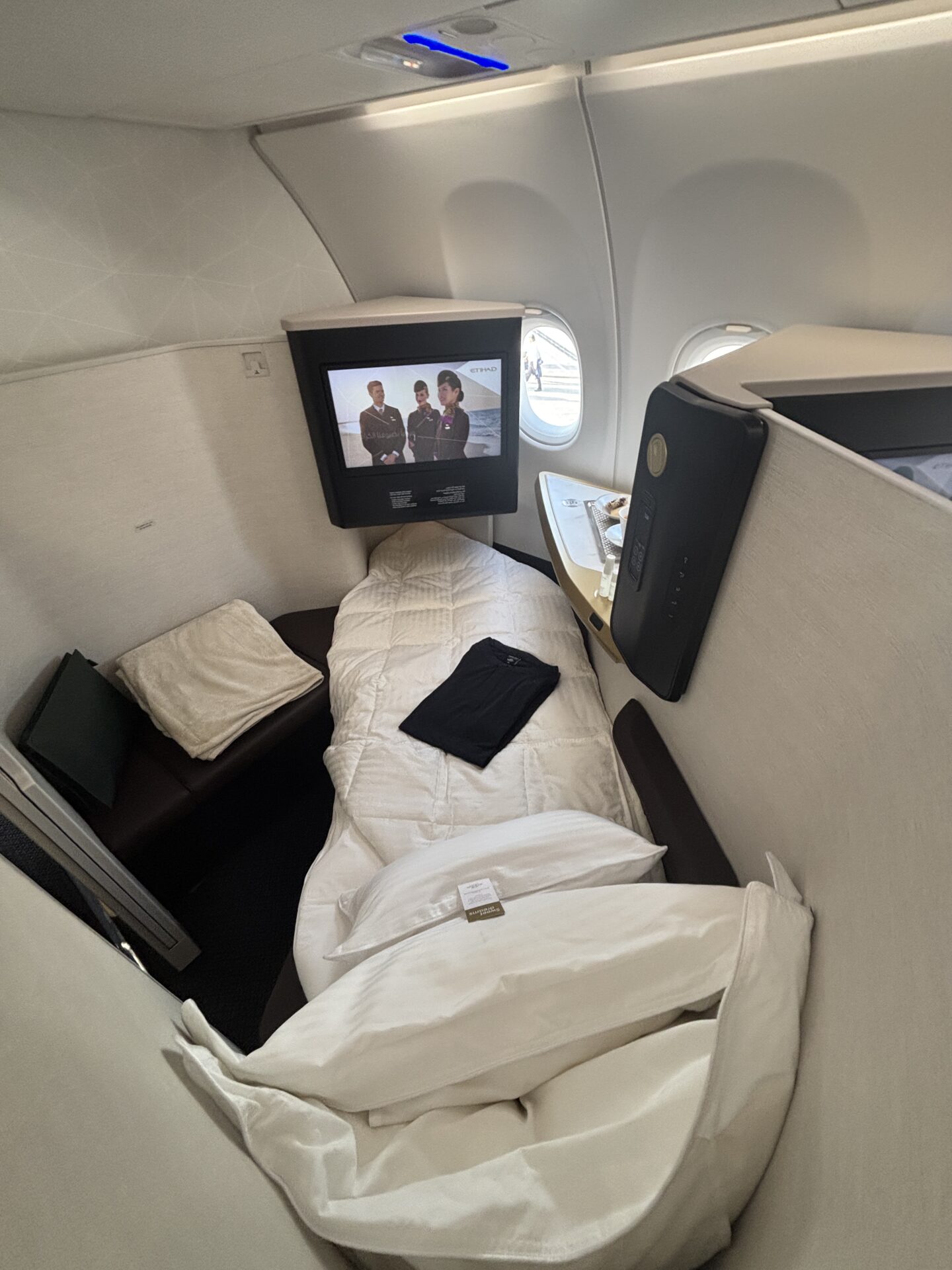
Photographs of the A321LR taken during the static display showcased its advanced cabin design. Despite its smaller size, the aircraft features a three-class configuration with two first-class suites, alongside business and economy classes equipped with extra-large seats.
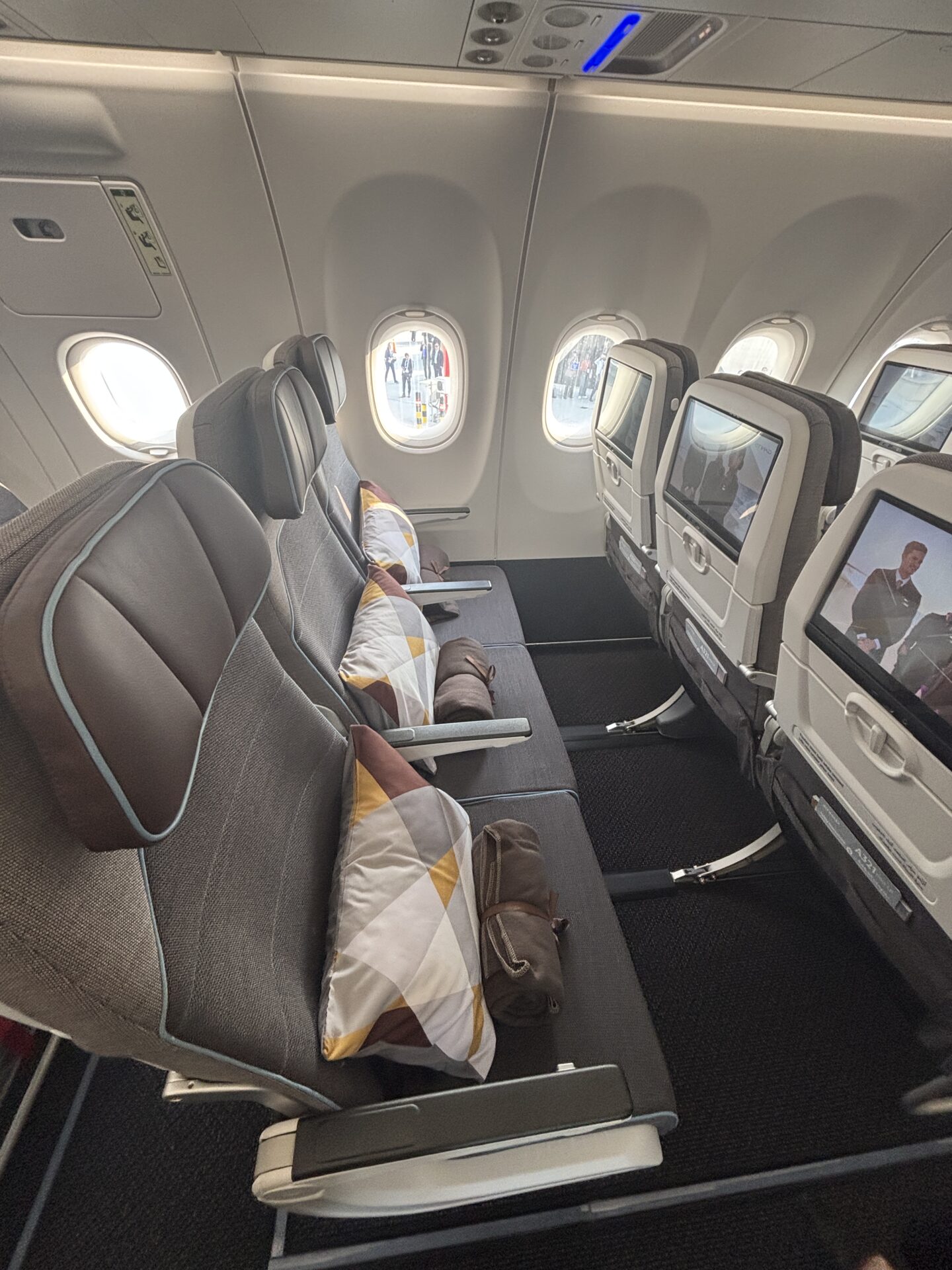
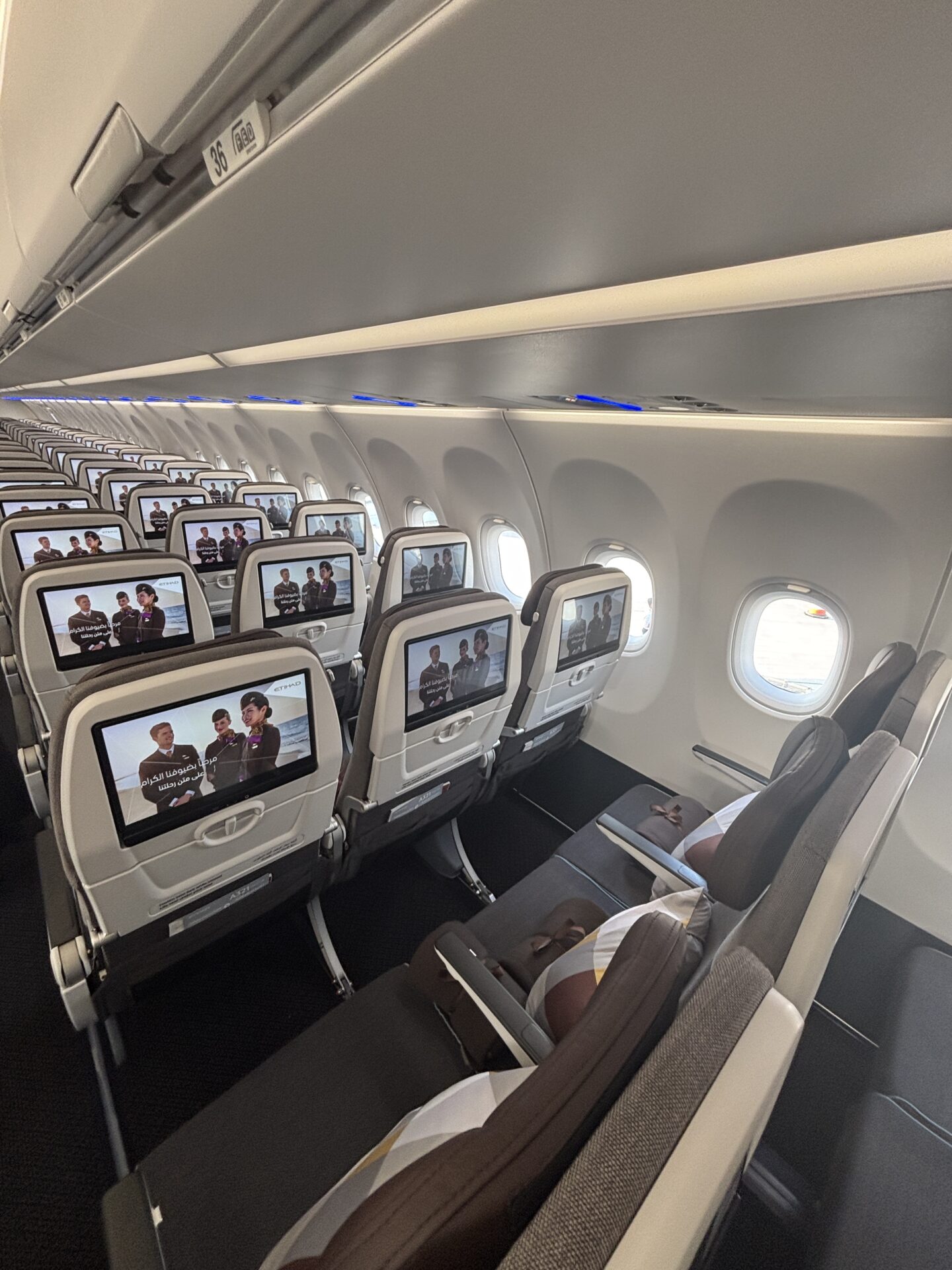
Regarding the A330neos, Al Marzouqi noted that the airline expects to receive these aircraft within a couple of years. This swift acquisition timeline is significant given the competitive market for widebody aircraft. He also reassured that the complexity added by the A330neos would not be an issue since Etihad is already familiar with this aircraft type.
In addition, he emphasized that the Boeing 787 will retain its long-haul operations, continuing to serve routes to Europe, Asia, and select ultra-long-range destinations in North America, while the A330s focus on more regional flights.
Al Marzouqi further discussed the future of the A380, currently deployed on key high-demand routes, including services to London, New York, and Singapore. He confirmed that “the A380 is here to stay for the long run,” with a total of ten aircraft in Etihad’s fleet, seven of which have recently returned to service.
Notably, the forthcoming reactivation of the eighth and ninth units is slated for 2026, with one aircraft reserved for spare parts.
When reflecting on the delay in fully reactivating the A380 fleet, Al Marzouqi explained that this decision mirrors Etihad’s strategic approach toward “smart growth,” ensuring assets are deployed only when there is a strong market opportunity. This strategy has notably followed an increase in passenger numbers, which soared from 10 million in 2023 to 20 million in 2025.
Etihad has revised its projections, aiming to increase passenger capacity to 37 million by the end of the decade, surpassing its original goal of 30 million by 2030.
Significant Investment Plans
Etihad Airways is set to make considerable investments aimed at enhancing its offerings. In 2027, the airline aims to initiate a $1 billion program for comprehensive cabin retrofits and improvements to customer touchpoints.
To elevate the premium passenger experience, the airline plans to introduce a concierge service for first-class passengers, including home check-in options and upgraded premium lounges at various locations.
Moreover, Etihad is providing more flexibility within its premium product segment. By unbundling services similar to other industry players, the airline aims to cater to diverse passenger preferences regarding business class offerings.
“We are on a journey,” Al Marzouqi stated, highlighting the airline’s ambitious yet exciting future.
What are your thoughts on Etihad’s innovative strategies for fleet expansion and customer experience enhancement?