Emirates Introduces All Airbus A350 Flights to City of Peace This New Year

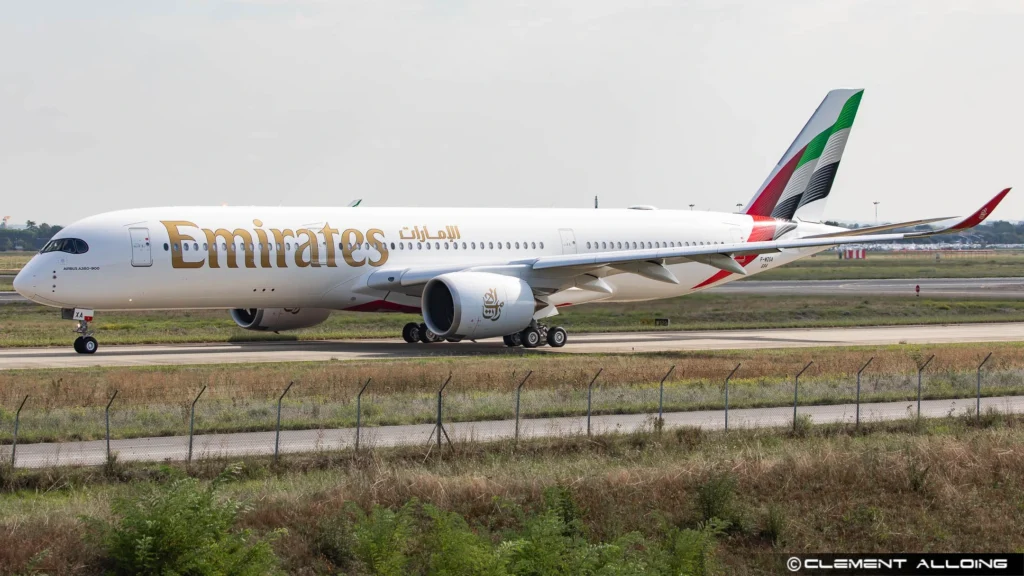
DUBAI- Emirates Airline (EK) will commence operating the Airbus A350 on all seven weekly flights connecting Dubai (DXB) and Baghdad (BGW) starting from January 1, 2026. This transition ensures a consistent aircraft type across the route, introducing Emirates’ latest cabin designs on every flight.
The A350 will replace the Boeing 777 currently in use for four weekly operations. This change aims to provide travelers with a standardized experience on all EK 943 and EK 944 flights, enhancing comfort through upgraded seating arrangements, quieter cabins, and advanced in-flight features.
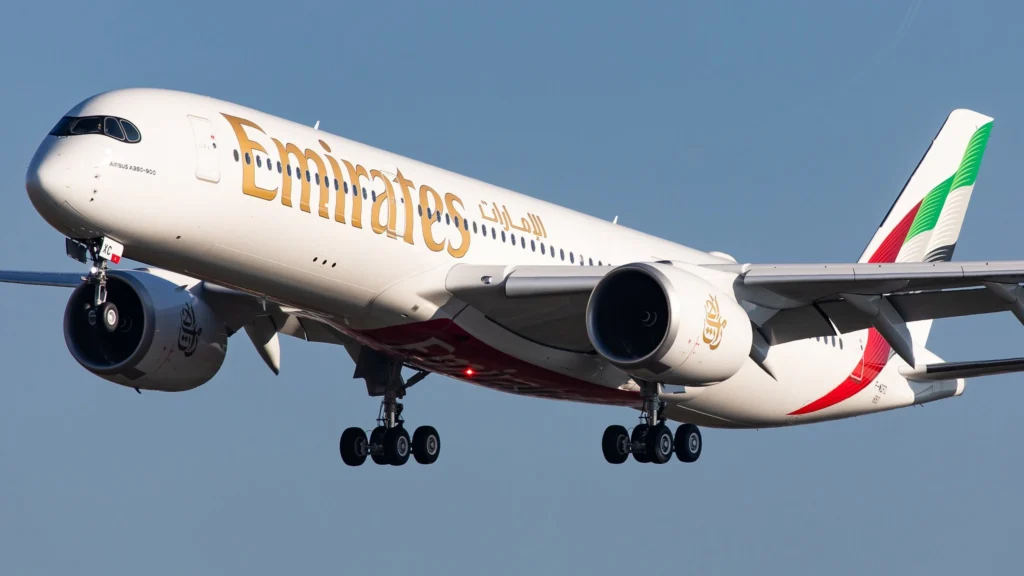
Emirates A350 Flights to Baghdad
This all-A350 initiative reflects Emirates’ commitment to modernizing its fleet for high-demand regional routes.
The A350 will make its debut on the Baghdad route after earlier introductions on flights EK 941 and EK 942 earlier in the year.
The aircraft features a three-class layout, including 32 Business Class lie-flat seats in a 1-2-1 configuration, 21 Premium Economy seats arranged in a 2-3-2 layout, and 259 Economy seats in a 3-3-3 configuration.
This design promises improved passenger flow, with wider aisles and quieter interiors. Plus, travelers will enjoy an upgraded version of the ice entertainment system, featuring enhanced visuals and a more extensive content library.
With improved lighting and noise insulation, Emirates hopes to offer travelers a more restful experience during their flights.
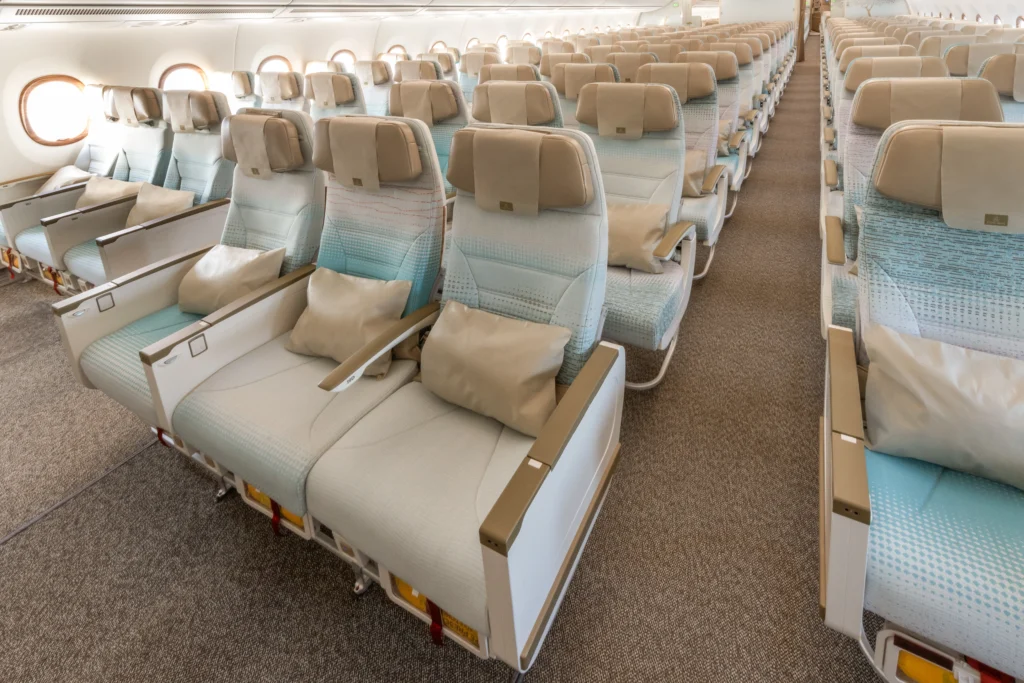
Enhanced Passenger Experience
The rollout of the A350 across Baghdad flights allows Emirates to deliver consistent service quality on every leg of the journey.
This standardized offering is expected to improve operational efficiency and respond to the growing demand in Iraq for premium seating and reliable connectivity via Dubai.
The upgrade signals Emirates’ long-term commitment to the Iraqi market, which has undergone capacity adjustments and product enhancements over the past decade.
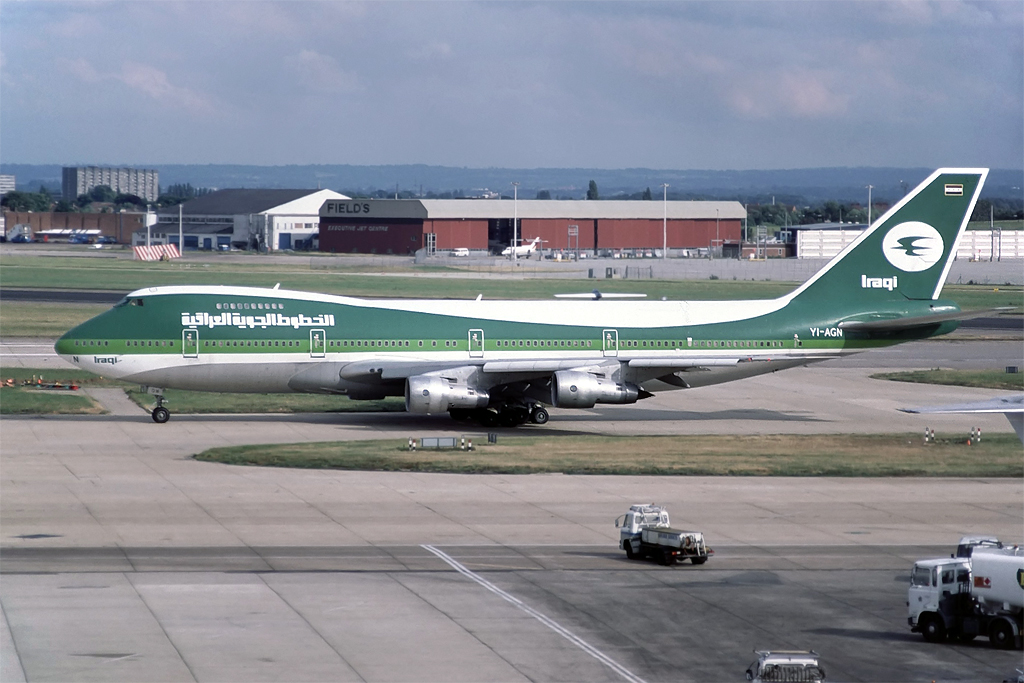
Baghdad Travel Guide
Iraqi Airways (IA) connects you to Baghdad International Airport (BGW), setting the stage for a visit to one of the world’s oldest cultural capitals. The city beckons with opportunities to explore its rich history, sacred sites, and vibrant artistic culture.
Arriving via Iraqi Airways, travelers step into a landscape shaped by Mesopotamian history alongside modern urban life. Baghdad boasts museums, shrines, scenic riverfronts, and historic areas that showcase centuries of resilience.
Understanding Baghdad’s Historical Weight
Baghdad’s narrative spans ancient Mesopotamia, the Abbasid era, Ottoman influence, and the contemporary Iraqi landscape. The city flourished along the Tigris, home to grand libraries, educational centers, and majestic palaces.
This historical legacy can still be observed in archaeological sites and renovated monuments that speak to Baghdad’s influence on education, architecture, and spirituality.
Key Cultural Sites and Museums
The Iraq Museum is a treasure trove of artifacts from Sumerian, Assyrian, Babylonian, and Abbasid civilizations. Exhibitions feature intricate reliefs, cuneiform writings, and notable pieces like the Warka Vase.
The museum’s galleries provide context regarding the development of writing, governance, and daily life in ancient times.
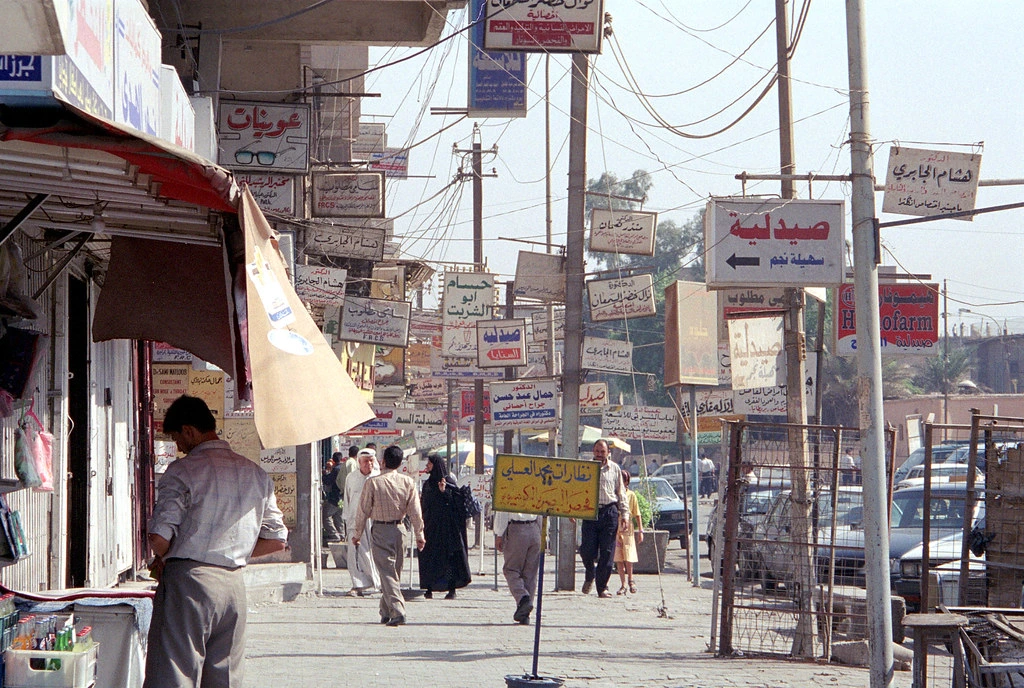
Old Baghdad adds another dimension with attractions like Shorja Bazaar, Mutanabbi Street, and the Baghdadi Museum. These vibrant markets and cultural spaces echo the city’s enduring social and creative traditions.
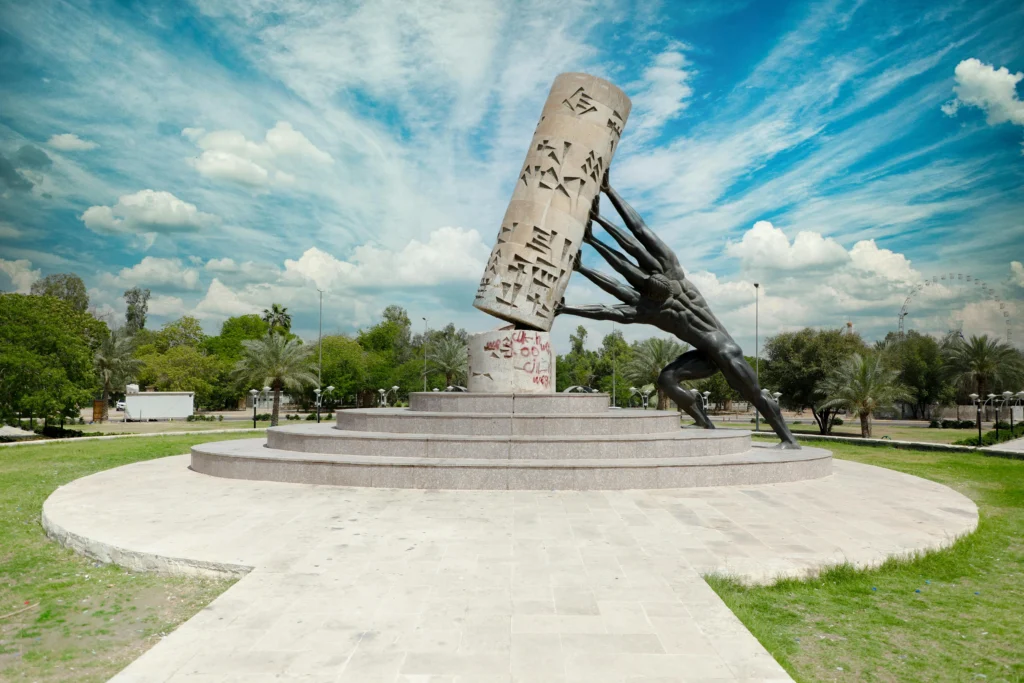
Architectural and Religious Landmarks
Among the city’s remarkable structures is Al Mustansiriya Madrasa, established in 1227, one of the earliest universities worldwide. Its beautiful courtyards and patterned brickwork reflect the architectural brilliance of the Abbasid era.
Close by, the Abbasid Palace offers insight into the political life of that time, showcasing a blend of engineering and artistic style.
Just outside the city lies the Arch of Ctesiphon, known for its grand brick vault and significance in Sasanian history. Within Baghdad, the Kadhimayn Shrine is a pilgrimage site recognized for its intricate design and religious significance.
Experiences Along the Tigris and in Modern Districts
The Tigris River is a lively hub for local gatherings, with cafés lining its banks where residents enjoy meals and conversation. Evenings spent here offer a glimpse into the city’s laid-back rhythm.
Modern districts contribute to Baghdad’s cultural fabric with venues like the National Theatre, Hewar Art Gallery, and Zawraa Park, along with bustling shopping streets that showcase contemporary life alongside rich history.
Food and Local Cuisine
Baghdad’s culinary landscape merges tradition with comfort. Signature dishes such as masgouf, kubba, and kahi with qaimar embody Iraqi culinary identity. Meals emphasize hospitality, often featuring shared plates and simple, well-prepared ingredients.
Safety, Practical Tips, and Itineraries
For travelers, it’s advisable to check official advisories, use trusted transportation, dress modestly, and be cautious with photography. The best weather for visiting is during spring and autumn, while summers can be extremely hot.
A typical three-day itinerary may include the Iraq Museum, Mutanabbi Street, Shorja Bazaar, Al Mustansiriya Madrasa, the Abbasid Palace, Kadhimayn Shrine, and the Arch of Ctesiphon. For those with additional time, excursions to Karbala, Najaf, Babylon, or Erbil are enriching options.
Traveling Beyond the Capital
Karbala and Najaf are pivotal pilgrimage destinations. Babylon boasts archaeological wonders linked to ancient royalty. Erbil provides a distinct cultural experience centered around its historical citadel and vibrant markets. Many travel agencies offer guided routes that connect these sites to Baghdad.
Exploring Baghdad unveils a city rich in history, faith, and creativity. Its diverse cultural offerings create a multifaceted experience for travelers. With preparation and an understanding of local customs, visitors can appreciate a city that honors its past while embracing modernity.
Bottom Line
This updated schedule also streamlines connections from Baghdad into Emirates’ extensive global network.
By incorporating the A350, Emirates aims to fulfill strategic growth ambitions, showcasing improved environmental performance and a cabin design well-suited for both regional and long-haul travel.
This initiative reflects Emirates’ ongoing investment in passenger comfort and regional stability.
What do you think about Emirates’ decision to use the Airbus A350 on its Baghdad flights?